Perimenopause vs Thyroid vs Mood Sorting Symptom Overlap Efficiently
Abstract
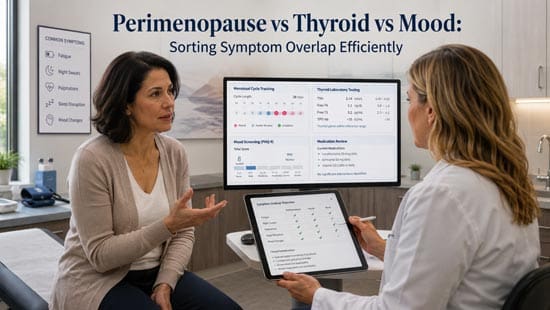
Perimenopause, thyroid dysfunction, depression, and anxiety represent some of the most common and diagnostically challenging conditions encountered in midlife clinical practice. These disorders frequently coexist and share a broad range of overlapping symptoms, creating major complexity for healthcare professionals across primary care, endocrinology, gynecology, psychiatry, and pharmacy settings. Fatigue, sleep disturbance, palpitations, weight fluctuations, heat intolerance, cognitive difficulties, irritability, reduced concentration, mood changes, and decreased quality of life may arise from reproductive aging, thyroid disease, psychiatric disorders, medication effects, chronic stress, sleep disorders, or multiple interacting conditions. As a result, distinguishing among these etiologies requires a systematic and evidence based approach rather than reliance on symptom patterns alone or indiscriminate laboratory testing.
The perimenopausal transition is characterized by fluctuating ovarian hormone production and progressive changes in menstrual cycle regularity that can begin several years before the final menstrual period. During this stage, declining ovarian reserve and variable estrogen and progesterone levels contribute to a wide spectrum of physical, cognitive, and emotional symptoms. Vasomotor symptoms, sleep disruption, mood instability, and cognitive complaints are particularly common. However, many of these manifestations closely resemble those observed in thyroid disorders and mood disorders, increasing the risk of diagnostic uncertainty and inappropriate treatment.
Thyroid dysfunction represents another important consideration in midlife patients presenting with nonspecific symptoms. Both hypothyroidism and hyperthyroidism can produce fatigue, mood disturbances, weight changes, sleep difficulties, menstrual irregularities, and cognitive impairment. In women undergoing the menopausal transition, these symptoms may be mistakenly attributed solely to hormonal changes associated with reproductive aging. Failure to identify underlying thyroid disease can result in delayed diagnosis and persistent symptoms despite menopause focused interventions. Conversely, overdiagnosis of thyroid dysfunction based on marginal laboratory abnormalities may expose patients to unnecessary treatment without addressing the true source of their symptoms.
Psychiatric conditions further complicate the clinical picture. Depression and anxiety disorders are common during midlife and may emerge independently or in association with hormonal fluctuations, psychosocial stressors, chronic medical conditions, or sleep disruption. Depressive symptoms may include persistent sadness, loss of interest, fatigue, impaired concentration, and changes in appetite or sleep patterns. Anxiety may present with excessive worry, restlessness, palpitations, irritability, and autonomic symptoms that closely mimic endocrine disorders. Given this overlap, comprehensive assessment is essential to avoid misattributing psychiatric symptoms to menopause or thyroid disease and vice versa.
Effective evaluation begins with a thorough clinical history that prioritizes menstrual stage assessment and symptom chronology. Understanding menstrual cycle patterns, changes in bleeding frequency, and the timing of symptom onset can provide valuable clues regarding reproductive aging. Perimenopause remains fundamentally a clinical diagnosis, and menstrual history often offers more diagnostic value than isolated reproductive hormone measurements. Because estrogen, progesterone, follicle stimulating hormone, and luteinizing hormone levels fluctuate considerably during the menopausal transition, routine hormone testing may be difficult to interpret and frequently adds limited clinical value in otherwise healthy women with characteristic symptoms.
Targeted thyroid assessment should form an integral part of the diagnostic process. Measurement of thyroid stimulating hormone, with reflex testing of free thyroxine when indicated, remains the preferred initial strategy for evaluating suspected thyroid dysfunction. Additional testing may be warranted in selected patients based on clinical findings, family history, autoimmune risk factors, or abnormal laboratory results. Importantly, thyroid evaluation should be guided by symptoms and evidence based indications rather than routine screening of all perimenopausal individuals presenting with nonspecific complaints.
A comprehensive medication and supplement review is equally critical. Numerous prescription medications, over the counter products, and dietary supplements can contribute to symptoms commonly attributed to menopause, thyroid disease, or psychiatric disorders. Stimulants, corticosteroids, antidepressants, antihypertensive agents, thyroid supplements, herbal products, and weight loss preparations may influence mood, sleep, cardiovascular symptoms, and thermoregulation. Identifying medication related contributors can prevent unnecessary diagnostic testing and inappropriate therapeutic escalation.
Validated screening instruments provide additional support for the assessment of mood disorders. Standardized tools for depression and anxiety can improve diagnostic accuracy, facilitate monitoring over time, and help identify patients who may benefit from mental health interventions. Equally important is a structured safety assessment that evaluates suicide risk, self harm potential, severe functional impairment, and other indicators requiring urgent intervention. Mental health assessment should be integrated into routine evaluation rather than viewed as a secondary consideration after endocrine causes have been excluded.
The management of overlapping symptoms requires a patient centered and individualized approach that addresses each confirmed diagnosis while avoiding common pitfalls. Treatment should be guided by objective clinical findings, symptom burden, patient preferences, and overall health status. Menopause related symptoms may respond to evidence based hormonal or nonhormonal therapies when appropriate. Thyroid hormone replacement should be reserved for documented thyroid dysfunction rather than nonspecific symptoms alone. Similarly, treatment of depression and anxiety should follow established psychiatric principles, incorporating psychotherapy, lifestyle modification, pharmacotherapy, or a combination of approaches when indicated.
Particular caution is warranted regarding unsupported interventions. Overinterpretation of fluctuating reproductive hormone levels may lead to unnecessary testing and treatment decisions that lack clinical justification. Likewise, compounded hormone formulations without adequate evidence of safety, efficacy, and quality control should not replace established therapeutic options when approved treatments are available. Prematurely attributing all symptoms to menopause may delay recognition of thyroid disease, mood disorders, sleep disorders, cardiovascular conditions, or other medical illnesses requiring targeted management.
Ultimately, the evaluation of midlife patients presenting with fatigue, mood changes, cognitive complaints, sleep disturbances, and vasomotor symptoms demands a comprehensive and nuanced clinical framework. Successful diagnosis depends on careful pattern recognition, detailed history taking, focused laboratory evaluation, and thoughtful consideration of multiple interacting physiological and psychological factors. By integrating menstrual stage assessment, targeted thyroid testing, medication review, validated mental health screening, and individualized treatment planning, clinicians can improve diagnostic accuracy, avoid unnecessary interventions, and deliver more effective care for this complex and frequently misunderstood patient population.
Introduction
Midlife symptoms frequently challenge traditional diagnostic frameworks because they often overlap across multiple physiological and psychological conditions. Patients presenting during the menopausal transition commonly report a constellation of symptoms that may be attributed to reproductive hormonal changes, endocrine disorders, psychiatric conditions, sleep disturbances, medication effects, or a combination of these factors. As a result, clinicians must navigate a complex diagnostic landscape in which symptom overlap is the rule rather than the exception.
Consider a 48 year old patient presenting with night sweats, insomnia, irritability, anxiety, palpitations, and irregular menstrual cycles. While these symptoms may strongly suggest perimenopause, they are not specific to the menopausal transition. Hyperthyroidism, particularly autoimmune thyroid disorders such as Graves disease, can produce a similar clinical picture characterized by heat intolerance, sleep disruption, mood changes, tachycardia, and menstrual irregularities. Likewise, anxiety disorders, panic disorder, excessive caffeine consumption, stimulant medications, alcohol use, and emerging sleep disorders can contribute to overlapping symptom profiles. Similarly, a 52 year old patient experiencing fatigue, weight gain, constipation, depressed mood, cognitive slowing, and reduced concentration may be entering menopause, developing hypothyroidism, experiencing major depressive disorder, suffering from obstructive sleep apnea, or experiencing iron deficiency. In many cases, more than one condition may be present simultaneously.
The clinical challenge, therefore, is not to determine whether symptoms are exclusively hormonal or psychological. Such a binary framework oversimplifies the complexity of midlife health and risks overlooking important diagnoses. Instead, clinicians should adopt a broader and more nuanced approach that considers the interaction between endocrine, reproductive, psychiatric, metabolic, and sleep related factors. The central diagnostic question is whether the patient’s symptom pattern, chronology, physical examination findings, medication history, laboratory results, and risk factors support perimenopause, thyroid dysfunction, a mood disorder, another medical condition, or a combination of overlapping processes.
Perimenopause represents a particularly important consideration because it is characterized by substantial hormonal variability rather than a consistent pattern of hormone deficiency. Fluctuations in ovarian function during the menopausal transition can produce vasomotor symptoms, sleep disturbances, mood changes, menstrual irregularities, cognitive complaints, and changes in quality of life. Importantly, these symptoms often develop gradually and vary considerably among individuals. Because hormonal levels fluctuate significantly during this period, laboratory testing is frequently of limited diagnostic value. Consequently, perimenopause remains primarily a clinical diagnosis based on age, menstrual history, symptom patterns, and exclusion of alternative explanations when indicated.
In contrast, thyroid dysfunction is generally diagnosed through biochemical assessment. Both hypothyroidism and hyperthyroidism can mimic many manifestations of perimenopause and mood disorders. Hypothyroidism commonly presents with fatigue, weight gain, constipation, depression, cold intolerance, menstrual disturbances, and cognitive slowing. Hyperthyroidism may manifest as anxiety, irritability, insomnia, heat intolerance, palpitations, tremors, and weight loss. However, thyroid related symptoms are often nonspecific and may overlap with numerous other conditions. For this reason, thyroid stimulating hormone and, when appropriate, free thyroxine measurements remain essential components of the diagnostic evaluation when thyroid disease is suspected.
Mood disorders represent another critical consideration in midlife patients. Depression and anxiety frequently emerge or worsen during the menopausal transition, influenced by hormonal fluctuations, sleep disruption, psychosocial stressors, caregiving responsibilities, chronic medical conditions, and life transitions. Importantly, a normal thyroid stimulating hormone level does not exclude a psychiatric disorder, just as a convincing menopausal history does not eliminate the possibility of depression or anxiety. Clinical assessment remains the cornerstone of diagnosis and should include evaluation of mood symptoms, anxiety features, sleep quality, cognitive concerns, psychosocial stressors, substance use, and functional impairment.
Sleep disorders further complicate the clinical picture. Menopause related sleep fragmentation, insomnia disorder, restless legs syndrome, and obstructive sleep apnea can all contribute to fatigue, mood changes, cognitive complaints, and reduced quality of life. Sleep disturbances may both mimic and exacerbate endocrine and psychiatric conditions, creating a cycle in which symptoms reinforce one another. Comprehensive assessment of sleep quality and sleep related symptoms is therefore essential when evaluating midlife patients.
A structured diagnostic approach can help clinicians differentiate among these overlapping conditions while minimizing both underdiagnosis and unnecessary testing. Effective evaluation begins with a detailed history focused on symptom onset, menstrual changes, temporal patterns, associated features, medication use, family history, and lifestyle factors. Physical examination should assess vital signs, body weight, thyroid abnormalities, cardiovascular findings, neurologic signs, and other relevant clinical indicators. Laboratory investigations should be guided by clinical suspicion rather than indiscriminate screening, with targeted testing used to confirm or exclude specific diagnoses.
Recognizing that multiple conditions often coexist is particularly important. Perimenopause does not protect against thyroid disease, depression, anemia, or sleep disorders. Likewise, identifying one diagnosis should not prematurely terminate further evaluation when symptoms remain unexplained. A patient may simultaneously experience menopausal vasomotor symptoms, mild hypothyroidism, and clinically significant anxiety, each contributing to the overall symptom burden.
Ultimately, the evaluation of midlife symptoms requires an integrated, patient centered approach that acknowledges the complex interplay between reproductive aging, endocrine function, mental health, sleep physiology, and general medical conditions. By focusing on symptom patterns, clinical context, targeted investigations, and the possibility of overlapping diagnoses, clinicians can improve diagnostic accuracy, avoid unnecessary interventions, and provide more effective, individualized care for patients navigating the menopausal transition and related health concerns.
Why the Symptoms Overlap
Perimenopause is characterized by variable ovarian hormone production rather than a smooth decline in estrogen. Symptoms may fluctuate over weeks or months. Vasomotor symptoms, night sweats, sleep fragmentation, menstrual irregularity, genitourinary symptoms, mood changes, and perceived cognitive difficulty are common clinical concerns. Patients often describe “brain fog,” word-finding difficulty, or reduced concentration. These complaints may be amplified by disrupted sleep, mood symptoms, hot flashes, work stress, caregiving responsibilities, or other medical conditions.
Thyroid hormones affect cardiac function, gastrointestinal motility, thermoregulation, lipid metabolism, neuromuscular function, and central nervous system activity. Hyperthyroidism may cause heat intolerance, sweating, tremor, tachycardia, anxiety-like symptoms, insomnia, and weight loss. Hypothyroidism may cause fatigue, cold intolerance, constipation, dry skin, menstrual change, bradycardia, weight gain, slowed cognition, and depressive symptoms.
Mood disorders can also present physically. Major depressive disorder may involve fatigue, sleep disturbance, appetite or weight change, psychomotor slowing, impaired concentration, anhedonia, guilt, and suicidal ideation. Anxiety and panic disorders may produce palpitations, sweating, tremor, dyspnea, chest discomfort, gastrointestinal symptoms, insomnia, and difficulty concentrating. In midlife patients, these symptoms may be mistaken for thyroid disease or menopause. The reverse also occurs. Endocrine and reproductive symptoms are sometimes dismissed as anxiety.
Table 1. First-Pass Symptom Pattern Recognition
| Dominant pattern | More likely diagnosis | Clinical clue |
| Episodic heat, flushing, sweating, and night symptoms | Perimenopause | Symptoms often occur with menstrual-cycle variability in the expected age range. |
| Persistent heat intolerance, tremor, tachycardia, and weight loss | Hyperthyroidism | Symptoms are less “episodic” than hot flashes and often include objective adrenergic signs. |
| Fatigue, cold intolerance, constipation, dry skin, and bradycardia | Hypothyroidism | Symptoms are usually persistent rather than episodic. |
| Low mood, anhedonia, guilt, impaired function, and sleep/appetite change | Major depressive disorder | Symptoms persist across settings and are not limited to vasomotor episodes. |
| Episodic fear, palpitations, dyspnea, sweating, and chest tightness | Panic disorder or anxiety | Symptoms may mimic thyrotoxicosis, so thyroid testing is appropriate when clinically indicated. |
Initial Clinical Assessment
A useful first visit starts with chronology. When did symptoms begin? Were they abrupt or gradual? Are they episodic, persistent, cyclic, or clearly associated with menstrual changes? Did symptoms begin after a new medication, supplement, thyroid dose change, antidepressant change, stimulant exposure, alcohol increase, major stressor, or sleep disruption?
Menstrual history should be specific. Document cycle length, skipped cycles, bleeding duration, heaviness, intermenstrual bleeding, postcoital bleeding, contraception, hysterectomy status, oophorectomy status, pregnancy possibility, and use of hormonal therapy. Perimenopause becomes more likely when typical symptoms occur with menstrual-cycle variability in the expected age range. However, abnormal uterine bleeding still requires evaluation based on age, risk factors, and bleeding pattern.
Medication and supplement review is not optional. Thyroid hormone, amiodarone, lithium, immune checkpoint inhibitors, glucocorticoids, stimulants, decongestants, antidepressants, anticholinergics, sedative-hypnotics, alcohol, cannabis, high caffeine intake, and biotin-containing supplements can all confuse the clinical picture. Biotin is especially important because it can interfere with some thyroid immunoassays and may create a misleading laboratory pattern that resembles hyperthyroidism.
The physical examination should include vital signs, weight trend, cardiac rhythm, thyroid palpation, tremor assessment, skin and hair findings, reflexes, edema, and signs of anemia or systemic illness. The examination is often normal in perimenopause and mood disorders. It is more likely to be diagnostically helpful when thyroid disease is overt, severe anemia is present, or another systemic condition is contributing.
Table 2. Menstrual and Reproductive Clues
| Finding | Interpretation |
| Cycle variability, skipped cycles, and vasomotor symptoms after age 45 | Supports a clinical diagnosis of perimenopause when the pattern is typical. |
| Heavy, prolonged, intermenstrual, postcoital, or postmenopausal bleeding | Requires gynecologic evaluation rather than automatic attribution to perimenopause. |
| Symptoms between ages 40 and 45 | FSH may support evaluation when the diagnosis is uncertain. |
| Menopausal symptoms before age 40 | Evaluate for primary ovarian insufficiency and other causes. |
| Hormonal contraception or high-dose progestin therapy | May obscure menstrual pattern and make FSH interpretation unreliable. |
| Hysterectomy without oophorectomy | Menstrual staging is less useful; symptoms and ovarian status guide assessment. |
Laboratory Strategy
Laboratory testing should answer a clinical question. It should not substitute for the history.
For typical perimenopause in patients aged 45 or older, routine FSH, estradiol, AMH, antral follicle count, or ovarian volume testing is usually unnecessary. Hormone values fluctuate during the transition and may mislead clinicians and patients. FSH may be useful in selected patients aged 40 to 45 with menopausal symptoms or in patients younger than 40 when primary ovarian insufficiency is suspected. Hormonal contraception and high-dose progestin therapy can make FSH interpretation unreliable.
TSH is reasonable when symptoms or examination findings suggest possible thyroid dysfunction. This is case finding, not population screening. Symptoms that support thyroid testing include unexplained fatigue, palpitations, tremor, heat or cold intolerance, weight change, constipation, tachycardia, bradycardia, goiter, menstrual change, new atrial fibrillation, or unexplained mood and cognitive symptoms. If TSH is abnormal, free T4 should be obtained. Total or free T3 is useful when hyperthyroidism is suspected and free T4 is normal or only mildly abnormal.
Additional testing should be individualized. CBC is reasonable when fatigue, heavy bleeding, pallor, dyspnea, or restless legs are present. Ferritin or iron studies are useful when heavy bleeding, anemia, hair loss, restless legs, or unexplained fatigue is prominent. A metabolic panel, A1c, B12, pregnancy test, inflammatory markers, or sleep evaluation may be appropriate depending on the presentation.
Borderline thyroid results should often be repeated before labeling chronic disease, especially when the clinical picture is not convincing. TSH may be transiently abnormal during illness or after medication exposure. Subclinical hypothyroidism requires careful interpretation. Persistent TSH above 10 mIU/L is more likely to warrant treatment, while lower values require individualized consideration of symptoms, free T4, thyroid peroxidase antibody status, pregnancy intentions, goiter, cardiovascular risk, and patient preference. Subclinical hyperthyroidism also requires risk stratification, especially when TSH is persistently below 0.1 mIU/L or the patient has atrial fibrillation, osteoporosis risk, or advanced age.
Table 3. Initial Testing Strategy
| Clinical question | Practical test strategy |
| Could this be thyroid dysfunction? | Start with TSH. Add free T4 if TSH is abnormal. Add T3 when hyperthyroidism is suspected and free T4 is normal or mildly abnormal. |
| Is this typical perimenopause after age 45? | Usually clinical. Routine FSH, estradiol, AMH, or ovarian imaging is not needed. |
| Could fatigue reflect anemia or iron deficiency? | CBC and ferritin or iron studies are reasonable when heavy bleeding, restless legs, hair loss, dyspnea, or pallor is present. |
| Could this be depression or anxiety? | Use PHQ-9 and GAD-7 to quantify severity, then confirm with clinical assessment. |
| Could supplements distort testing? | Ask specifically about biotin, especially hair, skin, and nail products, before thyroid testing. |
| Could this be another systemic condition? | Add testing selectively, such as metabolic panel, A1c, B12, pregnancy test, or sleep evaluation, based on history and examination. |
Mood Screening and Safety Assessment
Validated screening instruments play an important role in the assessment and longitudinal management of patients presenting with symptoms of depression, anxiety, or overlapping endocrine and psychiatric conditions. Standardized tools provide a structured method for quantifying symptom severity, monitoring treatment response, and facilitating communication between healthcare providers. Among the most widely used instruments are the Patient Health Questionnaire-9 (PHQ-9), which assesses the severity of depressive symptoms, and the Generalized Anxiety Disorder-7 (GAD-7), which evaluates anxiety symptom burden. These tools have demonstrated strong validity and reliability across diverse clinical settings and populations. However, while they are valuable adjuncts to clinical practice, they should not be viewed as diagnostic instruments in isolation. Screening scores must always be interpreted within the broader clinical context and integrated with a comprehensive history, physical examination, and clinical judgment.
A thorough psychiatric and psychosocial assessment remains essential when evaluating patients with symptoms that may be attributable to mood disorders, anxiety disorders, endocrine dysfunction, or a combination of these conditions. The clinical interview should extend beyond symptom checklists to explore the full spectrum of emotional, behavioral, and functional impairment. Particular attention should be given to anhedonia, which is a hallmark feature of major depressive disorder and often manifests as a diminished capacity to experience pleasure or interest in previously rewarding activities. Functional impairment should also be assessed across occupational, academic, social, and family domains, as the degree of functional decline frequently provides important insight into illness severity and treatment needs.
Sleep disturbances warrant careful evaluation because they commonly occur in both psychiatric and endocrine disorders. Insomnia, fragmented sleep, early morning awakening, hypersomnia, and nonrestorative sleep may reflect depression, anxiety, thyroid dysfunction, perimenopause, obstructive sleep apnea, or other medical conditions. Similarly, clinicians should assess for the presence of panic attacks, including sudden episodes of intense fear accompanied by symptoms such as palpitations, chest discomfort, shortness of breath, dizziness, or a sense of impending doom. These symptoms may overlap with endocrine disorders such as hyperthyroidism and therefore require careful differential diagnosis.
The interview should also explore trauma related symptoms, including intrusive memories, hypervigilance, avoidance behaviors, emotional numbing, and sleep disturbances suggestive of posttraumatic stress disorder. Substance use assessment is equally important, as alcohol, recreational drugs, prescription medication misuse, and stimulant use can contribute to or exacerbate mood and anxiety symptoms. Alcohol consumption patterns should be reviewed in detail because excessive use may both mimic and worsen psychiatric disorders while also interfering with treatment effectiveness.
Eating patterns and weight changes represent another critical component of evaluation. Alterations in appetite, restrictive eating behaviors, binge eating episodes, or notable weight fluctuations may signal underlying psychiatric disorders, endocrine abnormalities, or both. Medication review is also essential because numerous pharmacologic agents can contribute to mood disturbances, anxiety symptoms, sleep disruption, or cognitive complaints. Corticosteroids, thyroid hormone preparations, stimulants, hormonal therapies, and certain cardiovascular medications are among the agents that may influence psychiatric presentation.
Before initiating antidepressant therapy, clinicians must carefully assess the risk of bipolar disorder. Failure to identify a history of hypomania or mania may lead to inappropriate treatment and potentially precipitate mood destabilization. Key features suggestive of bipolar spectrum disorders include periods of elevated mood, decreased need for sleep, increased energy, impulsive behavior, grandiosity, rapid speech, and episodes of unusually increased productivity or goal directed activity. A detailed personal and family psychiatric history can provide valuable diagnostic clues.
Safety assessment remains the highest priority throughout the evaluation process and should never be deferred in favor of diagnostic refinement. Clinicians should directly and sensitively inquire about suicidal ideation, suicidal intent, previous suicide attempts, self harm behaviors, and access to means of self injury. Direct questioning does not increase suicide risk and is essential for identifying patients who require urgent intervention. Assessment should also include evaluation for psychotic symptoms such as hallucinations, delusions, or severe thought disorganization, as well as manic symptoms that may indicate bipolar disorder or another serious psychiatric condition.
Additional safety considerations include screening for intimate partner violence, domestic abuse, neglect, and social circumstances that may place the patient at risk. Clinicians should determine whether the individual is able to perform basic activities of daily living, maintain adequate nutrition and hydration, adhere to medical treatment, and care for dependents when applicable. Patients who demonstrate significant functional impairment, severe psychiatric symptoms, or inability to care for themselves may require urgent psychiatric evaluation or a higher level of care.
Importantly, the presence of endocrine conditions does not exclude the possibility of a coexisting psychiatric disorder. Perimenopause and thyroid dysfunction are frequently associated with symptoms such as mood changes, anxiety, irritability, fatigue, cognitive difficulties, and sleep disturbance. However, these symptoms should not automatically be attributed solely to hormonal changes. Major depressive disorder, generalized anxiety disorder, panic disorder, and other psychiatric conditions can coexist with endocrine abnormalities and may require independent evaluation and treatment.
Conversely, clinicians must avoid the common pitfall of attributing all symptoms to a psychiatric diagnosis when underlying medical conditions may be contributing. Depression and anxiety should never be used to dismiss clinically significant physical symptoms such as vasomotor instability, abnormal uterine bleeding, palpitations, unexplained weight changes, thyrotoxicosis, hypothyroidism, arrhythmias, anemia, or obstructive sleep apnea. These conditions can present with symptoms that overlap substantially with psychiatric disorders and may require targeted medical investigation and management.
An integrated, patient centered approach is therefore essential. Accurate diagnosis depends on recognizing the complex interplay between endocrine, psychiatric, and medical factors while maintaining a rigorous commitment to patient safety. The combination of validated screening tools, comprehensive clinical interviewing, thoughtful differential diagnosis, and systematic safety assessment provides the foundation for effective evaluation and treatment planning in patients presenting with overlapping mood, anxiety, and endocrine related symptoms.

Management of Perimenopause-Associated Symptoms
Treatment should be matched to the dominant symptom burden. Vasomotor symptoms, sleep disruption, heavy bleeding, genitourinary symptoms, mood symptoms, and sexual symptoms require different strategies.
Systemic hormone therapy remains the most effective treatment for bothersome vasomotor symptoms in appropriately selected patients. The benefit-risk balance is generally most favorable for healthy symptomatic patients who are younger than 60 years or within 10 years of menopause onset and who do not have contraindications. Contraindications and major cautions include unexplained vaginal bleeding, breast cancer or estrogen-sensitive malignancy, active or prior venous thromboembolism, stroke, myocardial infarction, significant liver disease, and high thrombotic risk. Product labeling and specialty guidance should be consulted for patient-specific risk assessment.
Patients with a uterus require adequate endometrial protection when systemic estrogen is used. Therapy should be individualized by route, dose, formulation, risk profile, and patient preference. Transdermal estrogen may be preferred in some patients with elevated venous thromboembolism risk, migraine considerations, hypertriglyceridemia, or other factors that make avoidance of first-pass hepatic exposure desirable.
Nonhormonal therapy is appropriate when hormone therapy is contraindicated, not preferred, or insufficient. Evidence-supported options include certain SSRIs and SNRIs, gabapentin, oxybutynin, and fezolinetant. Paroxetine mesylate 7.5 mg and fezolinetant 45 mg daily are FDA-approved nonhormonal options for moderate to severe vasomotor symptoms. Venlafaxine, desvenlafaxine, escitalopram, citalopram, gabapentin, and oxybutynin are commonly used off label for selected patients. Clonidine is no longer favored because efficacy is limited and tolerability is often poor.
Genitourinary syndrome of menopause should not be overlooked. Vaginal dryness, dyspareunia, recurrent urinary symptoms, and irritation may respond to vaginal estrogen, moisturizers, lubricants, vaginal prasterone, or ospemifene, depending on patient history and contraindications. Systemic therapy is not required for many isolated genitourinary symptoms.
Table 4. Perimenopause Treatment Options and Safety
| Option | Best clinical fit | Key cautions and monitoring |
| Systemic hormone therapy | Most effective option for bothersome vasomotor symptoms in appropriate candidates | Avoid or seek specialist input with unexplained bleeding, estrogen-sensitive cancer, active or prior VTE, stroke, MI, severe liver disease, or high thrombotic risk. Patients with a uterus need endometrial protection. |
| Vaginal estrogen or other local therapy | Genitourinary syndrome of menopause | Evaluate unexplained bleeding. Use individualized discussion in patients with breast cancer history, especially those receiving aromatase inhibitors. |
| SSRIs or SNRIs | Vasomotor symptoms with coexisting depression or anxiety, or when hormone therapy is not preferred | Screen for bipolar disorder. Monitor nausea, insomnia, sexual dysfunction, hyponatremia, bleeding risk, serotonin syndrome risk, and discontinuation symptoms. |
| Low-dose paroxetine mesylate 7.5 mg | FDA-approved nonhormonal option for moderate to severe vasomotor symptoms | Not a treatment dose for major depressive disorder. Avoid strong CYP2D6 inhibition when tamoxifen interaction is a concern and alternatives are reasonable. |
| Gabapentin | Nocturnal vasomotor symptoms and sleep disruption | Monitor dizziness, somnolence, edema, gait instability, renal dosing, and fall risk. |
| Oxybutynin | Selected patients with vasomotor symptoms when other options are unsuitable | Monitor anticholinergic effects, including dry mouth, constipation, urinary retention, blurred vision, tachycardia, and cognitive burden. |
| Fezolinetant | FDA-approved nonhormonal option for moderate to severe vasomotor symptoms | Requires baseline and follow-up liver testing. Contraindicated with known cirrhosis, severe renal impairment or ESRD, and CYP1A2 inhibitors. Counsel patients about symptoms of liver injury. |
| Clonidine | Rarely preferred | No longer favored because benefit is limited and adverse effects can be problematic. |
Management of Thyroid Dysfunction
Overt hypothyroidism is treated with levothyroxine. Dosing should be individualized by age, weight, pregnancy status, cardiac disease, severity of hypothyroidism, and adherence factors. Younger healthy adults may tolerate full replacement dosing. Older adults and patients with coronary disease usually require lower starting doses and slower titration.
TSH should be reassessed after initiation or dose changes, commonly in 4 to 8 weeks. For most adults, the goal is a TSH within the laboratory reference range. A narrow target such as 0.5 to 2.5 mIU/L should not be presented as universal. Pregnancy, thyroid cancer suppression, central hypothyroidism, advanced age, and residual thyroid function after hyperthyroidism treatment require different approaches.
Levothyroxine should not be used to treat nonspecific symptoms in biochemically euthyroid patients. If fatigue, weight gain, depression, or cognitive symptoms persist despite normal thyroid tests, the next step is reassessment for other causes rather than dose escalation that suppresses TSH.
Hyperthyroidism requires attention to etiology and severity. Beta-blockers can reduce adrenergic symptoms such as tremor, palpitations, and tachycardia while the diagnostic evaluation proceeds. Graves disease, toxic multinodular goiter, toxic adenoma, thyroiditis, iodine exposure, and medication-induced thyrotoxicosis require different management.
Methimazole is preferred for most nonpregnant patients with Graves disease who choose antithyroid drug therapy. Important exceptions include the first trimester of pregnancy, thyroid storm, and selected intolerance scenarios in which propylthiouracil may be used. Before antithyroid therapy, baseline CBC with differential and liver profile are appropriate. Patients should receive written instructions to stop the drug and contact the clinician immediately if fever, sore throat, jaundice, dark urine, pale stools, abdominal pain, severe fatigue, rash, or pharyngitis develops.
Urgent evaluation is required for suspected thyroid storm, severe thyrotoxicosis with arrhythmia, decompensated heart failure, altered mental status, severe hyperthermia, or marked weight loss. Endocrinology referral is appropriate for overt hyperthyroidism, unclear etiology, pregnancy, severe or recurrent disease, suspected central thyroid disease, nodules with thyrotoxicosis, or difficulty achieving stable control.
Table 5. Thyroid and Mood Medication Safety
| Therapy | Role | Key cautions and monitoring |
| Levothyroxine | Standard therapy for overt hypothyroidism | Recheck TSH after dose changes, commonly in 4 to 8 weeks. Avoid overreplacement, which can increase atrial fibrillation, bone loss, tremor, anxiety, and insomnia. |
| Methimazole | Preferred antithyroid drug for most nonpregnant patients with Graves disease choosing medication therapy | Obtain baseline CBC with differential and liver profile. Counsel patients to stop the drug and call promptly for fever, sore throat, jaundice, dark urine, pale stools, abdominal pain, severe fatigue, or pharyngitis. |
| Propylthiouracil | Selected use in first trimester pregnancy, thyroid storm, or selected methimazole intolerance scenarios | Use selectively because of severe hepatotoxicity risk. Endocrinology involvement is usually appropriate. |
| SSRIs or SNRIs for depression or anxiety | First-line pharmacologic options when medication is indicated | Screen for bipolar disorder. Monitor activation, sleep effects, sexual dysfunction, GI effects, hyponatremia, bleeding risk, and suicidality early in treatment. |
| Benzodiazepines | Short-term crisis use in selected anxiety presentations | Avoid routine long-term use. Monitor sedation, falls, cognitive effects, dependence, respiratory risk with other sedatives, and alcohol interaction. |
| Psychotherapy, including CBT | Depression, anxiety, insomnia, and coping with symptom burden | Particularly useful when symptoms are mixed, chronic, stress-amplified, or medication avoidance is preferred. |
Management of Mood Disorders During Midlife
Mood symptoms should be treated as clinically important even when perimenopause or thyroid disease is present. A medical contributor may explain part of the syndrome, but it does not rule out major depression, generalized anxiety disorder, panic disorder, bipolar disorder, trauma-related illness, or substance use disorder.
For major depressive disorder, evidence-based treatment includes psychotherapy, second-generation antidepressants, or both, guided by severity, patient preference, prior response, comorbidities, adverse-effect profile, drug interactions, and safety risk. Cognitive behavioral therapy is a reasonable first-line option for some patients with mild to moderate symptoms and may be combined with pharmacotherapy for more severe or persistent illness.
For anxiety disorders, cognitive behavioral therapy and SSRIs or SNRIs are common first-line approaches. Benzodiazepines may have a limited short-term role in selected cases, but they require caution because of sedation, falls, cognitive effects, dependence, respiratory risk with other sedatives, and alcohol interaction.
When vasomotor symptoms and mood symptoms coexist, medication selection can sometimes address both. Venlafaxine, desvenlafaxine, escitalopram, citalopram, and paroxetine have evidence for vasomotor symptom reduction, although psychiatric dosing, adverse-effect profiles, and drug interaction risks differ. Low-dose paroxetine mesylate for vasomotor symptoms should not be mistaken for adequate treatment of major depressive disorder.
A Stepwise Clinical Workflow
First, define the pattern. Determine whether symptoms are episodic, persistent, cyclic, abrupt, progressive, or temporally related to menses, medication changes, supplement use, alcohol, sleep disruption, or stress.
Second, assess reproductive stage and bleeding. Typical perimenopause can often be diagnosed clinically in patients aged 45 or older. Abnormal bleeding, postmenopausal bleeding, or bleeding with risk factors should be evaluated rather than attributed to perimenopause.
Third, test thyroid function when symptoms or findings justify case finding. TSH is the usual first test. Add free T4, T3, thyroid antibodies, or imaging selectively.
Fourth, screen mood and safety. Use PHQ-9 and GAD-7 to quantify symptoms and follow response. Confirm diagnoses clinically. Ask directly about suicidality and screen for bipolar disorder before antidepressant therapy.
Fifth, review medications and supplements. Ask specifically about biotin, thyroid hormone, amiodarone, lithium, stimulants, decongestants, antidepressants, anticholinergics, alcohol, cannabis, and high caffeine intake.
Sixth, treat confirmed conditions and reassess. When overt thyroid disease is present, treat it and reassess residual symptoms after biochemical improvement. When vasomotor symptoms dominate, discuss hormone therapy and nonhormonal options using individualized risk assessment. When depression or anxiety is present, initiate evidence-based mental health treatment rather than waiting indefinitely for endocrine or menopause management to resolve psychiatric symptoms.
Red Flags and Referral Triggers
Immediate or urgent evaluation is appropriate for suicidal ideation with intent or plan, psychosis, mania, inability to care for self, severe depression, suspected intimate partner violence, or substance withdrawal. Mood symptoms do not become low priority simply because menopause or thyroid disease is also plausible.
Urgent medical evaluation is appropriate for resting tachycardia with arrhythmia symptoms, syncope, chest pain, severe thyrotoxicosis, suspected thyroid storm, altered mental status, severe dehydration, or rapid unexplained weight loss.
Gynecologic evaluation is required for postmenopausal bleeding, heavy or prolonged bleeding, intermenstrual bleeding, postcoital bleeding, anemia related to bleeding, or abnormal bleeding in patients with risk factors for endometrial pathology.
Endocrinology referral is appropriate for overt hyperthyroidism, suspected Graves disease with orbitopathy, pregnancy-related thyroid disease, persistent unexplained thyroid test abnormalities, suspected central hypothyroidism, thyroid nodules with abnormal thyroid function, or difficulty stabilizing therapy.
Clinical Examples
A 47-year-old with skipped cycles, night sweats, episodic flushing, sleep fragmentation, normal heart rate, normal thyroid examination, and normal TSH most likely has perimenopause-associated vasomotor symptoms. FSH is unlikely to change management. Care should focus on symptom severity, contraception needs, bleeding evaluation when indicated, and shared decision-making about hormone therapy or nonhormonal options.
A 52-year-old with rapid-onset palpitations, tremor, heat intolerance, unintentional weight loss, resting tachycardia, low TSH, and elevated free T4 has thyrotoxicosis until proven otherwise. Treatment should include symptom control, evaluation of etiology, and timely endocrinology involvement. Anxiety symptoms should not be assumed to be primary panic disorder until the thyroid disorder is addressed.
A 45-year-old with persistent low mood, anhedonia, impaired function, guilt, insomnia, passive death wishes, normal TSH, and mild menstrual variability requires depression-focused management. Perimenopause may be relevant to timing and symptom burden, but it does not reduce the need for standard depression assessment and treatment.
A 50-year-old with fatigue, weight gain, constipation, dry skin, heavy menses, elevated TSH, and low free T4 has overt hypothyroidism. Levothyroxine is indicated. Mood symptoms should be reassessed after thyroid replacement is underway, but persistent depression should be treated directly.
Perimenopause, thyroid dysfunction, and mood disorders overlap because they affect the same domains: sleep, energy, cognition, autonomic symptoms, weight, temperature regulation, and emotional well-being. The safest approach is structured and practical. Diagnose typical perimenopause clinically when the age and menstrual pattern fit. Use thyroid testing as targeted case finding in symptomatic patients. Screen mood disorders with validated tools, but confirm clinically and assess safety directly.
The most important clinical error is premature closure. Hot flashes do not exclude hyperthyroidism. A mildly abnormal TSH does not explain every symptom. Perimenopause does not protect against major depression. Anxiety should not be used to dismiss endocrine disease, abnormal bleeding, or arrhythmia. A careful workflow helps clinicians identify treatable disease, avoid unnecessary testing, and match therapy to the patient’s dominant symptom burden and risk profile.

References
American Psychiatric Association. (2022). Diagnostic and statistical manual of mental disorders (5th ed., text rev.). American Psychiatric Association Publishing.
Astellas Pharma US, Inc. (2026). VEOZAH (fezolinetant) tablets, for oral use: Prescribing information. Revised February 2026.
Clinical Guidelines Committee of the American College of Physicians. (2023). Nonpharmacologic and pharmacologic treatments of adults in the acute phase of major depressive disorder: A living clinical guideline from the American College of Physicians. Annals of Internal Medicine, 176(2), 239-253. doi: 10.7326/M22-2056
Harlow, S. D., Gass, M., Hall, J. E., Lobo, R., Maki, P., Rebar, R. W., Sherman, S., Sluss, P. M., de Villiers, T. J., & STRAW+10 Collaborative Group. (2012). Executive summary of the Stages of Reproductive Aging Workshop +10. Menopause, 19(4), 387-395. doi: 10.1097/gme.0b013e31824d8f40
Jonklaas, J., Bianco, A. C., Bauer, A. J., Burman, K. D., Cappola, A. R., Celi, F. S., Cooper, D. S., Kim, B. W., Peeters, R. P., Rosenthal, M. S., Sawka, A. M., & American Thyroid Association Task Force on Thyroid Hormone Replacement. (2014). Guidelines for the treatment of hypothyroidism. Thyroid, 24(12), 1670-1751. doi: 10.1089/thy.2014.0028
Kroenke, K., Spitzer, R. L., & Williams, J. B. W. (2001). The PHQ-9: Validity of a brief depression severity measure. Journal of General Internal Medicine, 16(9), 606-613. doi: 10.1046/j.1525-1497.2001.016009606.x
Maki, P. M., Kornstein, S. G., Joffe, H., Bromberger, J. T., Freeman, E. W., Athappilly, G., Bobo, W. V., Rubin, L. H., Koleva, H. K., Cohen, L. S., & Soares, C. N. (2018). Guidelines for the evaluation and treatment of perimenopausal depression: Summary and recommendations. Menopause, 25(10), 1069-1085. doi: 10.1097/GME.0000000000001174
National Institute for Health and Care Excellence. (2024). Menopause: Identification and management (NICE Guideline NG23). National Institute for Health and Care Excellence.
Ross, D. S., Burch, H. B., Cooper, D. S., Greenlee, M. C., Laurberg, P., Maia, A. L., Rivkees, S. A., Samuels, M., Sosa, J. A., Stan, M. N., & Walter, M. A. (2016). 2016 American Thyroid Association guidelines for diagnosis and management of hyperthyroidism and other causes of thyrotoxicosis. Thyroid, 26(10), 1343-1421. doi: 10.1089/thy.2016.0229
Santoro, N., Epperson, C. N., & Mathews, S. B. (2015). Menopausal symptoms and their management. Endocrinology and Metabolism Clinics of North America, 44(3), 497-515. doi: 10.1016/j.ecl.2015.05.001
Shufelt, C. L., Brown, V., Carpenter, J. S., Chism, L. A., Faubion, S. S., Joffe, H., Kling, J. M., Soares, C. N., & Thurston, R. C. (2023). The 2023 nonhormone therapy position statement of The North American Menopause Society. Menopause, 30(6), 573-590. doi: 10.1097/GME.0000000000002200
Spitzer, R. L., Kroenke, K., Williams, J. B. W., & Löwe, B. (2006). A brief measure for assessing generalized anxiety disorder: The GAD-7. Archives of Internal Medicine, 166(10), 1092-1097. doi: 10.1001/archinte.166.10.1092
The North American Menopause Society. (2022). The 2022 hormone therapy position statement of The North American Menopause Society. Menopause, 29(7), 767-794. doi: 10.1097/GME.0000000000002028
U.S. Preventive Services Task Force. (2015). Screening for thyroid dysfunction: U.S. Preventive Services Task Force recommendation statement. Annals of Internal Medicine, 162(9), 641-650. doi: 10.7326/M15-0483
Recent Articles


Integrative Perspectives on Cognition, Emotion, and Digital Behavior

Sleep-related:
Longevity/Nutrition & Diet:
Philosophical / Happiness / Social:
Other:
Modern Mind Unveiled
Developed under the direction of David McAuley, Pharm.D., this collection explores what it means to think, feel, and connect in the modern world. Drawing upon decades of clinical experience and digital innovation, Dr. McAuley and the GlobalRPh initiative translate complex scientific ideas into clear, usable insights for clinicians, educators, and students.
The series investigates essential themes–cognitive bias, emotional regulation, digital attention, and meaning-making—revealing how the modern mind adapts to information overload, uncertainty, and constant stimulation.
At its core, the project reflects GlobalRPh’s commitment to advancing evidence-based medical education and clinical decision support. Yet it also moves beyond pharmacotherapy, examining the psychological and behavioral dimensions that shape how healthcare professionals think, learn, and lead.
Through a synthesis of empirical research and philosophical reflection, Modern Mind Unveiled deepens our understanding of both the strengths and vulnerabilities of the human mind. It invites readers to see medicine not merely as a science of intervention, but as a discipline of perception, empathy, and awareness–an approach essential for thoughtful practice in the 21st century.
The Six Core Themes
I. Human Behavior and Cognitive Patterns
Examining the often-unconscious mechanisms that guide human choice-how we navigate uncertainty, balance logic with intuition, and adapt through seemingly irrational behavior.
II. Emotion, Relationships, and Social Dynamics
Investigating the structure of empathy, the psychology of belonging, and the influence of abundance and selectivity on modern social connection.
III. Technology, Media, and the Digital Mind
Analyzing how digital environments reshape cognition, attention, and identity- exploring ideas such as gamification, information overload, and cognitive “nutrition” in online spaces.
IV. Cognitive Bias, Memory, and Decision Architecture
Exploring how memory, prediction, and self-awareness interact in decision-making, and how external systems increasingly serve as extensions of thought.
V. Habits, Health, and Psychological Resilience
Understanding how habits sustain or erode well-being-considering anhedonia, creative rest, and the restoration of mental balance in demanding professional and personal contexts.
VI. Philosophy, Meaning, and the Self
Reflecting on continuity of identity, the pursuit of coherence, and the construction of meaning amid existential and informational noise.
Keywords
Cognitive Science • Behavioral Psychology • Digital Media • Emotional Regulation • Attention • Decision-Making • Empathy • Memory • Bias • Mental Health • Technology and Identity • Human Behavior • Meaning-Making • Social Connection • Modern Mind
Video Section