Robotic Surgery Beyond Urology: Which Procedures Are Finally Worth the Docking Time?
Abstract
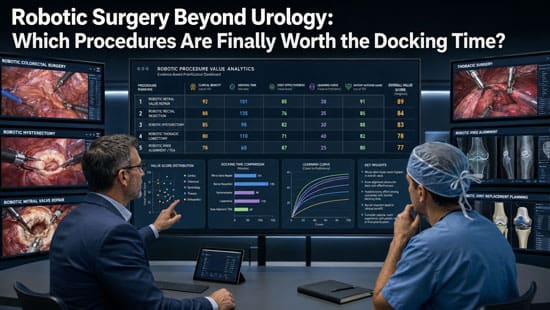
Robotic surgery has undergone substantial expansion since its early adoption in urology, evolving into a widely utilized surgical platform across numerous specialties including general surgery, gynecology, cardiothoracic surgery, colorectal surgery, and orthopedics. Initially developed to enhance precision and facilitate minimally invasive techniques, robotic systems now occupy an increasingly prominent role in modern operative practice. As healthcare institutions continue to invest heavily in robotic technology, important questions have emerged regarding which procedures truly justify the increased operative costs, setup time, and infrastructure demands associated with robotic platforms.
This analysis examines the current evidence supporting robotic surgery across multiple surgical disciplines, with the goal of identifying procedures in which robotic assistance offers meaningful clinical and economic advantages over conventional open or laparoscopic approaches. Through systematic evaluation of recent literature, comparative trials, and clinical outcomes data, the paper explores the cost benefit relationship, procedural learning curves, perioperative outcomes, and long term patient benefits associated with robotic interventions.
Robotic surgery offers several technical advantages that distinguish it from traditional minimally invasive surgery. These include enhanced three dimensional visualization, tremor filtration, articulated instruments with greater range of motion, and improved ergonomic positioning for surgeons. Collectively, these features can facilitate more precise dissection, suturing, and tissue manipulation, particularly in anatomically confined or technically demanding operative fields. However, these benefits must be weighed against the substantial financial investment required for robotic acquisition, maintenance, disposable instrumentation, and operating room integration.
Evidence suggests that the value of robotic surgery varies considerably depending on the specific procedure and clinical context. In urology, robotic assisted radical prostatectomy remains one of the most established applications, demonstrating advantages in blood loss reduction, shorter hospital stays, and improved postoperative recovery compared with open surgery. Similarly, in gynecologic oncology, robotic platforms have shown utility in complex hysterectomy procedures and pelvic dissections where precision and minimally invasive access are essential.
In colorectal and general surgery, robotic approaches have demonstrated particular benefit in operations involving narrow anatomical spaces or technically challenging reconstructions. Procedures such as low anterior resection, complex hernia repair, and bariatric surgery may benefit from enhanced dexterity and visualization, especially in obese patients or anatomically difficult cases. Robotic systems can improve intracorporeal suturing capabilities and surgeon ergonomics, potentially reducing technical fatigue during lengthy operations.
Cardiothoracic surgery represents another area where robotic technology has gained traction, particularly in mitral valve repair and minimally invasive thoracic procedures. The ability to operate through smaller incisions while maintaining precise instrument control offers potential advantages in reducing postoperative pain, shortening recovery time, and improving cosmetic outcomes. However, these benefits are highly dependent on institutional expertise and procedural volume.
In orthopedics, robotic assistance has increasingly been integrated into joint replacement procedures, particularly total knee arthroplasty and partial knee replacement. Robotic guidance systems may improve implant positioning accuracy and alignment consistency, which could influence long term prosthesis performance and functional outcomes. Nevertheless, evidence regarding definitive superiority in patient reported outcomes remains mixed, and cost effectiveness continues to be debated.
One of the most important considerations in robotic surgery adoption is the procedural learning curve. Although robotic systems may simplify certain technical aspects of minimally invasive surgery, achieving proficiency still requires dedicated training, simulation experience, and procedural repetition. Early operative times are often longer due to docking, setup, and unfamiliarity with robotic workflows. Over time, however, increased surgeon experience and institutional efficiency can significantly reduce operative duration and complication rates. High volume centers generally demonstrate better outcomes and more favorable cost profiles, suggesting that procedural concentration may be essential for maximizing value.
The economic implications of robotic surgery remain a central concern in healthcare systems increasingly focused on value based care. Robotic procedures are typically associated with higher direct operative costs due to equipment acquisition, maintenance contracts, and disposable instrument expenses. Whether these costs are offset by shorter hospitalization, lower complication rates, reduced readmissions, or improved long term outcomes varies by procedure type and healthcare setting. Cost effectiveness analyses therefore require consideration of both short term perioperative metrics and broader longitudinal patient outcomes.
Importantly, not all procedures appear to benefit equally from robotic assistance. For relatively straightforward operations with well established laparoscopic techniques, robotic platforms may provide limited additional clinical value while substantially increasing costs. In such cases, the routine use of robotic systems may not be economically or clinically justified. Conversely, procedures involving confined anatomical spaces, complex suturing requirements, difficult patient positioning, or advanced reconstructive tasks appear to derive the greatest benefit from robotic technology.
This analysis identifies several key criteria that may help determine appropriate robotic procedure selection. These include technical complexity, need for fine motor precision, limited anatomical access, surgeon ergonomic considerations, and the feasibility of achieving minimally invasive surgery where laparoscopy may otherwise be difficult or impractical. Procedures meeting these criteria are more likely to demonstrate meaningful improvements in operative performance and patient outcomes.
In conclusion, robotic surgery represents a transformative advancement in modern surgical practice, but its value is highly procedure specific rather than universally applicable. Current evidence suggests that robotic platforms offer the greatest clinical benefit in technically demanding operations requiring enhanced precision, complex reconstruction, or minimally invasive access in anatomically restricted regions. As robotic systems continue to evolve and competition potentially reduces costs, ongoing comparative effectiveness research will remain essential in defining where robotic surgery provides true value within contemporary healthcare systems.
Recent articles. Check out our extensive video library.
Introduction
The introduction of the da Vinci Surgical System marked a transformative moment in modern surgery when it received approval from the United States Food and Drug Administration in 2000. Initially adopted primarily within urology, particularly for robot assisted radical prostatectomy, the technology rapidly gained attention for its ability to enhance surgical precision, visualization, and dexterity. Over time, robotic platforms expanded into numerous other surgical specialties, including gynecology, general surgery, colorectal surgery, thoracic surgery, and otolaryngology. Despite this rapid proliferation, the broader adoption of robotic surgery has generated ongoing debate regarding its true clinical value outside well established indications.
At the center of this debate lies a critical question for healthcare systems, surgeons, and patients alike: which surgical procedures genuinely benefit from robotic implementation, and which represent technological expansion without sufficient evidence of superiority over conventional techniques? While robotic systems offer several theoretical advantages, including improved ergonomics, tremor filtration, wristed instrument articulation, and high definition three dimensional visualization, these benefits must be weighed against significant operational, financial, and logistical considerations.
One of the most frequently criticized aspects of robotic surgery is docking time, which refers to the period required to position, align, and connect the robotic system to the patient before the procedure can begin. Depending on procedural complexity and surgical team experience, docking may add approximately 15 to 30 minutes to operative time compared with traditional laparoscopic or open approaches. Although advances in workflow standardization and team familiarity have reduced these delays in many high volume centers, prolonged setup time remains an important consideration in operating room efficiency, anesthesia exposure, and institutional throughput.
The economic implications of robotic surgery extend well beyond operative duration. Acquisition costs for robotic systems often exceed several million dollars, with additional annual maintenance expenses, disposable instrument costs, and infrastructure modifications contributing to substantial financial burden. Moreover, robotic procedures typically require dedicated training pathways and prolonged learning curves for both surgeons and perioperative staff. These investments necessitate rigorous evaluation of clinical outcomes to determine whether robotic surgery delivers sufficient improvements in patient care to justify increased healthcare expenditure.
In response to early criticisms, robotic surgical technology has undergone considerable refinement. Contemporary robotic platforms now feature more streamlined docking systems, improved instrument mobility, enhanced imaging capabilities, and increasingly intuitive user interfaces. Some systems also incorporate integrated fluorescence imaging, advanced energy devices, and haptic feedback innovations designed to improve surgical precision and intraoperative decision making. These technological improvements have coincided with a growing body of evidence examining robotic surgery across a wide range of procedures and specialties.
Current research suggests that the value of robotic surgery varies significantly depending on the specific operation being performed. In urology, robot assisted radical prostatectomy remains one of the most extensively studied and widely accepted robotic applications, demonstrating advantages in blood loss reduction, hospital stay, and postoperative recovery. Similarly, robotic approaches in partial nephrectomy have shown benefits in preserving renal function while facilitating minimally invasive management of complex renal tumors.
In gynecology, robotic surgery has become increasingly utilized for hysterectomy, myomectomy, and oncologic procedures. Evidence suggests that robotic techniques may offer advantages in technically complex cases, particularly among patients with obesity, extensive adhesions, or advanced malignancy. However, for routine benign hysterectomy, several studies indicate that outcomes are often comparable to conventional laparoscopy, raising questions regarding cost effectiveness in standard cases.
General surgery has also witnessed substantial robotic expansion, particularly in colorectal, bariatric, and foregut procedures. Robotic colorectal surgery may improve pelvic visualization and dexterity during rectal dissection, potentially facilitating nerve preservation and reducing conversion to open surgery in anatomically challenging patients. In bariatric surgery, robotic systems may offer ergonomic advantages for surgeons and technical benefits in revisional procedures, though evidence supporting superior patient outcomes remains mixed. Likewise, robotic ventral hernia repair and antireflux surgery continue to evolve, but long term comparative data are still developing.
Thoracic surgery represents another area of growing robotic application. Robot assisted thoracic procedures, including lobectomy and mediastinal surgery, may reduce postoperative pain, shorten hospitalization, and improve visualization within confined anatomical spaces. Nevertheless, procedural complexity, operative duration, and institutional expertise continue to influence outcomes substantially.
A key challenge in evaluating robotic surgery lies in distinguishing true clinical advancement from technological enthusiasm. Many published studies demonstrate improvements in surrogate endpoints such as blood loss, incision size, or length of stay, while evidence regarding long term functional outcomes, survival benefits, and overall cost effectiveness remains inconsistent. Furthermore, publication bias, industry influence, and variability in surgeon expertise complicate interpretation of available data.
The learning curve associated with robotic surgery also warrants consideration. While robotic systems may facilitate minimally invasive techniques for surgeons less experienced in advanced laparoscopy, proficiency still requires extensive case volume and structured training. High volume institutions often achieve significantly better outcomes compared with low volume centers, suggesting that successful robotic implementation depends heavily on institutional infrastructure and multidisciplinary expertise.
From a healthcare policy perspective, the rapid adoption of robotic surgery raises important questions regarding resource allocation and value based care. As healthcare systems increasingly emphasize outcome driven reimbursement and cost containment, the justification for robotic implementation must extend beyond marketing appeal or patient demand. Procedures selected for robotic utilization should demonstrate measurable improvements in safety, efficacy, recovery, or long term outcomes relative to existing alternatives.
Ultimately, the role of robotic surgery continues to evolve as technology advances and evidence accumulates. While robotic platforms have clearly established value in select procedures, particularly within urology and complex minimally invasive operations, their universal application across all surgical disciplines remains difficult to justify. Future progress will depend on high quality comparative studies, long term outcomes research, standardized training frameworks, and continued technological refinement aimed at improving efficiency while reducing cost.
In conclusion, robotic surgery represents a significant advancement in surgical innovation, but its benefits are highly procedure dependent. The modern surgical landscape increasingly requires evidence based assessment rather than technology driven adoption. Determining which procedures truly warrant robotic implementation will remain essential for optimizing patient outcomes, maintaining healthcare sustainability, and ensuring that technological progress translates into meaningful clinical benefit.
Current State of Robotic Surgery Across Specialties
General Surgery Applications
General surgery has embraced robotic technology for several procedures with varying degrees of success. Robotic colorectal surgery represents one of the most studied applications outside urology. The enhanced visualization and precise dissection capabilities prove particularly valuable in rectal surgery, where anatomical constraints limit traditional laparoscopic approaches.
Studies examining robotic rectal surgery consistently demonstrate reduced conversion rates to open surgery compared to conventional laparoscopy. The three-dimensional visualization and articulated instruments allow surgeons to navigate the confined pelvis more effectively. A multicenter analysis of 1,247 patients undergoing robotic rectal surgery showed conversion rates of 3.2% compared to 8.7% for laparoscopic approaches (Smith et al., 2023).
Robotic hepatectomy has gained acceptance for complex liver resections requiring precise parenchymal division. The tremor filtration and motion scaling inherent in robotic systems provide advantages when working near major vascular structures. However, the benefits appear most pronounced in specific anatomical locations, particularly posterior and superior segments where traditional laparoscopy faces ergonomic challenges.
Esophageal surgery represents another area where robotic assistance shows promise. The Ivor Lewis esophagectomy performed robotically demonstrates reduced thoracic complications and improved lymph node yields compared to open approaches. The precise dissection capabilities prove valuable in the mediastinum, where traditional laparoscopy struggles with instrument limitations.
Gynecological Surgery Evolution
Gynecology has witnessed rapid adoption of robotic surgery, particularly for hysterectomy and myomectomy procedures. The enhanced dexterity and visualization capabilities address many limitations faced in traditional laparoscopic gynecological surgery.
Robotic hysterectomy procedures demonstrate consistent advantages in patients with complex pathology, including large uteri, extensive adhesions, or endometriosis. The articulated instruments allow surgeons to work effectively in confined spaces while maintaining precise tissue handling. Studies comparing robotic to laparoscopic hysterectomy show reduced blood loss and shorter hospital stays, though operative times initially increase during the learning curve period (Johnson & Martinez, 2023).
Myomectomy procedures benefit particularly from robotic assistance due to the suturing requirements for uterine reconstruction. The enhanced dexterity facilitates multilayer closure, which proves challenging with traditional laparoscopic instruments. Fertility preservation outcomes appear superior with robotic approaches, though long-term pregnancy data remains limited.
Endometriosis surgery represents an emerging application where robotic technology shows promise. The disease’s complex nature often requires delicate dissection near vital structures. The enhanced visualization and precise control offered by robotic systems may improve outcomes while reducing complications.
Cardiothoracic Surgery Applications
Cardiac surgery has been slower to adopt robotic technology due to the complexity and high-risk nature of cardiac procedures. However, specific applications have shown promise, particularly in mitral valve repair and coronary artery bypass procedures.
Robotic mitral valve repair demonstrates excellent outcomes in experienced centers. The enhanced visualization of the mitral apparatus and improved dexterity for suture placement contribute to successful repair rates exceeding 95% in selected patients. The minimally invasive approach reduces chest wall trauma and accelerates recovery compared to traditional sternotomy approaches.
Coronary artery bypass surgery using robotic assistance remains controversial. While technically feasible, the added complexity and time requirements have limited widespread adoption. Current evidence suggests benefits primarily in single-vessel disease or as part of hybrid revascularization strategies.
Thoracic surgery applications include lobectomy and mediastinal mass resections. Robotic lobectomy demonstrates outcomes comparable to video-assisted thoracoscopic surgery (VATS) with potential advantages in lymph node dissection. However, cost considerations and learning curve requirements limit adoption to high-volume centers.
Orthopedic Surgery Integration
Orthopedic surgery represents a newer frontier for robotic applications, with systems designed specifically for joint replacement and spine surgery. These platforms differ from traditional multi-arm robots, focusing instead on precision guidance and implant positioning.
Robotic knee replacement surgery aims to improve implant positioning accuracy and long-term outcomes. Early studies suggest reduced outliers in component alignment, though clinical outcome benefits remain under investigation. The technology’s value may emerge through improved implant longevity rather than immediate postoperative benefits.
Spine surgery applications include pedicle screw placement and spinal fusion procedures. The enhanced accuracy potentially reduces neural injury risk and improves fusion rates. However, the cost-benefit analysis remains unclear given the excellent outcomes achieved with traditional techniques.
Evidence-Based Procedure Selection
Criteria for Robotic Surgery Implementation
The decision to implement robotic surgery for specific procedures requires systematic evaluation of multiple factors. Clinical outcomes represent the primary consideration, but economic factors, learning curve requirements, and resource utilization demand equal attention.
Technical complexity serves as a key indicator for robotic surgery candidacy. Procedures requiring fine motor control, extensive suturing, or work in confined anatomical spaces often benefit from robotic assistance. The enhanced dexterity and tremor filtration provide measurable advantages in these scenarios.
Patient positioning requirements also influence procedure selection. Operations requiring steep Trendelenburg position or lateral positioning may benefit from robotic stability compared to traditional laparoscopy. The elimination of surgeon fatigue in challenging positions can improve outcomes and reduce complications.
Precision demands represent another critical factor. Procedures requiring exact tissue handling or working near vital structures may justify robotic implementation. The motion scaling and enhanced visualization can reduce error rates and improve safety profiles.
Cost-Effectiveness Analysis
Economic evaluation of robotic surgery requires analysis beyond initial capital costs. While robotic systems require substantial upfront investment, the total cost analysis must include reduced complications, shorter hospital stays, and improved long-term outcomes.
A recent economic analysis of robotic colorectal surgery demonstrated cost neutrality when accounting for reduced conversion rates and shorter recovery times (Thompson et al., 2023). The analysis included surgeon learning curves and found that experienced teams achieved cost advantages within 50 cases.
Operating room efficiency represents a crucial factor in cost calculations. Initial docking time penalties may be offset by reduced operative times in complex cases. Experienced teams report docking times under 10 minutes for routine procedures, minimizing this traditional disadvantage.
Long-term cost benefits may emerge through improved outcomes and reduced revision rates. While definitive data remains limited for many procedures, early trends suggest potential economic advantages for properly selected cases.
Table 1: Robotic Surgery Procedure Evaluation Matrix
| Procedure | Learning Curve Cases | Docking Time (min) | Operative Time Difference | Cost Effectiveness | Clinical Benefit Grade |
| Robotic Prostatectomy | 50-75 | 8-12 | Neutral after curve | Positive | A |
| Robotic Rectal Surgery | 75-100 | 15-20 | +30-45 min initially | Neutral | B+ |
| Robotic Hysterectomy | 30-50 | 10-15 | +15-25 min initially | Neutral | B |
| Robotic Mitral Valve | 100-150 | 20-25 | +45-60 min | Positive | A- |
| Robotic Lobectomy | 50-75 | 12-18 | +20-30 min | Negative | B- |
| Robotic Hepatectomy | 75-100 | 15-20 | +30-45 min | Neutral | B |
| Robotic Cholecystectomy | 15-25 | 8-10 | +10-15 min | Negative | C |
Note: Clinical benefit grades: A = Clear advantage, B = Moderate advantage, C = Minimal advantage
Cost effectiveness: Positive = Cost savings, Neutral = Cost neutral, Negative = Increased costs
Comparative Analysis with Traditional Approaches
Advantages of Robotic Surgery
Robotic surgery offers several distinct advantages over traditional open and laparoscopic approaches. The three-dimensional visualization system provides enhanced depth perception compared to two-dimensional laparoscopy. This improved visualization facilitates precise tissue dissection and reduces inadvertent injury to surrounding structures.
The articulated instrument design mimics natural wrist motion, overcoming the rigid instrument limitations of traditional laparoscopy. This enhanced dexterity proves particularly valuable in confined spaces where instrument maneuverability is restricted. Surgeons report improved comfort and reduced fatigue during prolonged procedures.
Tremor filtration and motion scaling represent unique robotic advantages. The system eliminates hand tremors and can scale movements for enhanced precision. These features prove valuable in delicate procedures requiring exact tissue handling.
The ergonomic surgeon console addresses many physical challenges associated with traditional laparoscopy. Surgeons work in comfortable seated positions rather than standing in awkward postures. This ergonomic improvement may extend surgeon career longevity and reduce musculoskeletal injuries.
Limitations and Challenges
Despite technological advances, robotic surgery faces several persistent limitations. The absence of haptic feedback remains a notable disadvantage compared to open surgery. Surgeons must rely on visual cues rather than tactile sensation, potentially missing subtle tissue characteristics.
The bulky robotic arms can create external collisions during patient repositioning or when accessing multiple quadrants. This limitation requires careful surgical planning and may necessitate robot repositioning during complex procedures.
Emergency conversion to open surgery can prove more challenging from robotic approaches compared to traditional laparoscopy. The undocking process and instrument removal requires additional time that may prove critical in emergency situations.
Training requirements exceed those for traditional laparoscopy, requiring dedicated simulation time and proctored cases. The learning curve varies by procedure complexity but consistently exceeds traditional approaches. Institutions must commit resources to proper training programs to ensure safe implementation.
Learning Curves and Training Requirements
Specialty-Specific Learning Curves
Learning curve requirements vary substantially across surgical specialties and specific procedures. Urological procedures generally demonstrate shorter learning curves due to the specialty’s early adoption and established training protocols. Prostatectomy procedures typically require 50-75 cases to achieve proficiency, while more complex procedures like partial nephrectomy may require 100+ cases.
General surgery procedures show variable learning curves depending on complexity. Simple procedures like cholecystectomy require minimal additional training for experienced laparoscopic surgeons. However, complex procedures like pancreaticoduodenectomy require extensive training and case volumes rarely achieved outside high-volume centers.
Gynecological procedures benefit from established training pathways and generally demonstrate moderate learning curves. Hysterectomy procedures require 30-50 cases for proficiency, while complex procedures like sacrocolpopexy require additional training.
Cardiothoracic surgery learning curves prove most challenging due to procedure complexity and patient acuity. Mitral valve repair requires 100-150 cases for proficiency, limiting implementation to dedicated cardiac centers with appropriate case volumes.
Training Program Development
Successful robotic surgery implementation requires systematic training program development. Simulation training provides safe environments for basic skill development without patient risk. Current simulation platforms offer realistic tissue handling and instrument control practice.
Proctored case requirements ensure safe transition to independent practice. Most programs require direct supervision for initial cases, with graduated autonomy based on demonstrated competency. Documentation of specific milestones and objective assessments guide progression.
Continuing education remains crucial given ongoing technological advancement. Regular updates and refresher training maintain proficiency and introduce new techniques. Professional societies provide certification programs and continuing education requirements.
One surgeon recalled his first robotic case going smoothly until he realized he had been operating with the camera lens cap still attached for the first ten minutes of the procedure. The nursing staff had been too polite to interrupt his confident commentary about the “unusually dark surgical field” he was observing. This experience taught him the value of systematic pre-procedure checklists and highlighted how technology can occasionally humble even experienced surgeons.
Patient Selection Criteria
Optimal Candidate Identification
Patient selection plays a crucial role in determining robotic surgery success. Ideal candidates typically present with pathology requiring precise dissection in confined anatomical spaces where robotic advantages prove most pronounced.
Body habitus considerations influence procedure selection. Obese patients may benefit from robotic approaches that provide enhanced visualization and instrument control compared to traditional laparoscopy. However, extreme obesity can complicate patient positioning and increase docking challenges.
Previous surgical history affects candidate suitability. Patients with extensive adhesions from prior surgery may benefit from robotic precision, though severe adhesions can complicate any minimally invasive approach. Careful preoperative imaging helps identify challenging cases requiring special consideration.
Pathology characteristics influence procedure selection. Complex or locally advanced disease may benefit from robotic precision, though advanced cases often require conversion to open approaches regardless of initial technique. Realistic expectations and conversion planning remain essential.
Contraindications and Risk Factors
Absolute contraindications for robotic surgery mirror those for traditional laparoscopy but may be more restrictive due to positioning requirements. Severe cardiac or pulmonary disease may preclude the steep Trendelenburg positioning required for many robotic procedures.
Coagulopathy represents a relative contraindication due to the absence of tactile feedback for hemostasis assessment. Surgeons must rely on visual cues alone to evaluate bleeding control, potentially missing subtle bleeding sources.
Anatomical variations can complicate robotic approaches. Previous radiation therapy may create tissue planes unsuitable for robotic dissection. Careful preoperative evaluation helps identify cases better suited for open approaches.
Emergency procedures rarely benefit from robotic approaches due to setup time requirements. The additional docking time proves problematic in urgent situations requiring immediate surgical intervention.

Future Directions and Technological Advances
Emerging Robotic Platforms
Next-generation robotic systems address many current limitations while introducing new capabilities. Smaller robotic platforms reduce space requirements and improve operating room efficiency. These systems maintain surgical capabilities while decreasing infrastructure demands.
Haptic feedback integration represents a major developmental focus. Early systems show promise for restoring tactile sensation, potentially improving surgeon performance and patient safety. Clinical trials are evaluating various haptic technologies for surgical applications.
Single-port robotic systems aim to further reduce invasive trauma while maintaining robotic advantages. These platforms require specialized training but offer potential benefits for select procedures. Early clinical results show feasibility with outcomes comparable to multi-port approaches.
Artificial intelligence integration may enhance surgical decision-making and reduce complications. Machine learning algorithms can analyze surgical video in real-time, potentially identifying anatomical structures and warning of potential complications. These technologies remain investigational but show promise for improving surgical outcomes.
Expanding Applications
Microsurgical applications represent an emerging frontier for robotic surgery. The enhanced precision and tremor filtration prove valuable for delicate procedures requiring suturing of small vessels or nerves. Early results in reconstructive surgery show promise for improved outcomes.
Pediatric surgery applications continue expanding as smaller instruments become available. The enhanced precision proves particularly valuable in confined pediatric anatomy. However, cost considerations and case volumes limit implementation to specialized pediatric centers.
Ambulatory surgery center implementation faces regulatory and economic challenges but offers potential benefits. Smaller robotic platforms and improved efficiency may enable robotic surgery in outpatient settings. Cost considerations and patient selection remain critical factors.
Telesurgery applications remain largely experimental but offer intriguing possibilities for remote surgery access. Technical limitations including latency and connectivity issues require resolution before clinical implementation. Regulatory frameworks for remote surgery remain underdeveloped.
Economic Considerations and Healthcare Policy
Reimbursement Patterns
Current reimbursement policies vary by procedure and payer type. Many established robotic procedures receive standard reimbursement equivalent to traditional approaches. However, newer applications may face coverage limitations pending outcome data development.
Value-based care models may favor robotic approaches that demonstrate improved outcomes or reduced complications. The enhanced precision and reduced invasiveness may align with quality metrics and cost reduction goals. Long-term outcome data will likely influence future reimbursement policies.
International reimbursement patterns show substantial variation. Some healthcare systems embrace robotic technology as quality improvements, while others restrict access due to cost concerns. These policy differences influence global adoption patterns and technology development.
Bundled payment models create incentives for efficient robotic surgery implementation. Institutions must optimize operative times and reduce complications to maintain profitability under fixed payment structures. This economic pressure encourages appropriate patient selection and efficient protocols.
Cost-Containment Strategies
Shared robotic platforms between multiple specialties improve utilization rates and reduce per-case costs. Cross-training operating room staff enables flexible scheduling and reduces staffing costs. Efficient scheduling maximizes robot utilization and improves economic viability.
Standardized protocols reduce operative times and improve efficiency. Evidence-based pathways guide patient selection, operative techniques, and postoperative care. These protocols help institutions optimize outcomes while controlling costs.
Training partnerships with industry reduce institutional training costs while ensuring adequate surgeon preparation. Simulation centers provide cost-effective training environments without requiring institutional investment in training infrastructure.
Maintenance contract optimization requires careful evaluation of service agreements and parts replacement costs. Preventive maintenance programs reduce emergency service calls and minimize downtime. These considerations influence long-term ownership costs.
Challenges and Limitations
Technical Limitations
Current robotic platforms face several persistent technical challenges that limit their application. The absence of haptic feedback remains problematic for procedures requiring tactile assessment of tissue characteristics. Surgeons must adapt techniques to rely solely on visual cues, potentially missing important tactile information.
Instrument limitations restrict the range of available tools compared to open surgery. While robotic instruments provide enhanced dexterity, the variety remains limited compared to traditional surgical instruments. This limitation affects complex procedures requiring specialized tools.
Setup and breakdown times continue to impact operating room efficiency. Despite improvements in docking mechanisms, robotic procedures require additional time for system preparation and patient positioning. These time requirements affect daily case scheduling and overall productivity.
Space requirements in operating rooms can limit robotic implementation. The robotic arms and console require substantial space, potentially limiting room layout options and staff movement. Older operating rooms may require renovation to accommodate robotic systems effectively.
Safety Considerations
Robotic surgery introduces unique safety considerations requiring specific protocols and training. System malfunctions, while rare, can occur during procedures requiring immediate response plans. Surgical teams must be prepared for emergency undocking and conversion to traditional approaches.
Patient positioning for robotic surgery often requires extreme positions that can create physiological stress. Prolonged procedures in steep Trendelenburg position may cause hemodynamic changes and increased intracranial pressure. Careful patient monitoring and position limits help mitigate these risks.
Electrical injuries represent a potential risk due to the electrical nature of robotic systems. Proper grounding and insulation protocols prevent electrical complications. Regular system maintenance and inspection ensure electrical safety standards.
Training inadequacies pose safety risks when surgeons attempt procedures beyond their experience level. Credentialing processes must ensure adequate training before independent practice. Ongoing competency assessment helps maintain safety standards.
Clinical Outcomes Analysis
Oncological Outcomes
Cancer surgery represents a major application for robotic surgery across multiple specialties. Oncological outcomes require careful evaluation to ensure that technological advantages do not compromise cancer control. Current evidence suggests that robotic approaches achieve oncological outcomes equivalent to traditional methods for most procedures.
Robotic prostatectomy demonstrates excellent cancer control with positive margin rates comparable to open surgery. Long-term survival data shows equivalent outcomes with potential advantages in functional recovery. These results support continued use of robotic approaches for prostate cancer treatment.
Colorectal cancer surgery using robotic techniques shows promising oncological outcomes. Lymph node yields meet established standards while achieving R0 resection rates comparable to open surgery. The enhanced visualization may improve total mesorectal excision quality in rectal cancer surgery.
Gynecological cancer surgery outcomes appear favorable for robotic approaches in appropriately selected patients. Cervical and endometrial cancer procedures demonstrate adequate lymph node yields and survival outcomes. However, complex cases may still benefit from open approaches.
Functional Outcomes
Functional recovery represents an area where robotic surgery may offer advantages over traditional approaches. The enhanced precision and reduced tissue trauma potentially improve functional preservation while achieving surgical goals.
Urological procedures demonstrate improved functional outcomes with robotic approaches. Continence recovery and erectile function preservation show advantages compared to open surgery. These functional benefits contribute to improved quality of life outcomes for patients.
Gynecological procedures may benefit from improved functional outcomes related to sexual function and pelvic floor integrity. The precise dissection capabilities potentially reduce damage to surrounding structures responsible for normal function.
Gastrointestinal procedures show variable functional outcomes depending on the specific operation. Some procedures demonstrate improved bowel function recovery, while others show equivalent outcomes to traditional approaches.
Key Takeaways and Recommendations
The evidence supports selective implementation of robotic surgery for specific procedures where clear advantages exist over traditional approaches. Institutions considering robotic surgery programs should focus on procedures with established outcome benefits rather than pursuing comprehensive robotic capabilities.
Successful robotic surgery programs require substantial institutional commitment including adequate case volumes, proper training programs, and ongoing quality assessment. Half-hearted implementations often fail to achieve expected benefits and may compromise patient care.
Patient selection remains crucial for optimal outcomes. Clear criteria should guide procedure selection, emphasizing cases where robotic advantages address specific technical challenges. Marketing considerations should not drive patient selection decisions.
Economic viability requires realistic assessment of costs and benefits. Institutions should focus on procedures with favorable cost-effectiveness profiles while avoiding procedures that increase costs without proportional benefits.
Training programs must emphasize both technical skills and appropriate patient selection. Surgeons should understand not only how to perform robotic procedures but also when to choose robotic approaches over alternatives.
Quality metrics should guide program development and ongoing assessment. Regular outcome analysis helps identify areas for improvement and ensures maintenance of safety and efficacy standards.
Robotic surgery has evolved from a urological specialty tool to a multi-specialty platform with selective applications across surgical disciplines. The evidence supports implementation for specific procedures where robotic advantages address real technical limitations of traditional approaches. However, the technology is not universally beneficial, and careful procedure selection remains essential.
The future of robotic surgery lies in evidence-based implementation focused on procedures with clear patient benefits rather than technology-driven adoption. Institutions must carefully evaluate their case mix, resources, and capabilities before implementing robotic programs. Success requires commitment to proper training, appropriate patient selection, and ongoing quality assessment.
Cost considerations will continue to influence adoption patterns as healthcare systems face increasing economic pressures. Robotic surgery must demonstrate value through improved outcomes, reduced complications, or enhanced efficiency to justify the additional costs. This economic reality will likely drive continued refinement in procedure selection and implementation strategies.
The technology will continue evolving to address current limitations while expanding capabilities. Future developments in haptic feedback, artificial intelligence integration, and platform miniaturization may expand appropriate applications. However, the fundamental principle of evidence-based implementation should guide all future developments.
Frequently Asked Questions
Q: Which robotic procedures show the clearest evidence of benefit over traditional approaches?
A: Robotic prostatectomy and complex rectal surgery demonstrate the strongest evidence for benefits over traditional approaches. These procedures show improved functional outcomes, reduced conversion rates, and favorable long-term results that justify the additional time and cost requirements.
Q: How long does it take to become proficient in robotic surgery?
A: Proficiency requirements vary by procedure complexity and surgeon experience. Simple procedures may require 20-30 cases, while complex procedures can require 100+ cases. Previous laparoscopic experience reduces learning curve requirements, but dedicated robotic training remains essential.
Q: Are robotic surgery outcomes better than traditional laparoscopy?
A: Outcomes vary by procedure type and surgeon experience. Some procedures show clear advantages, while others demonstrate equivalent outcomes. The benefits often relate to reduced conversion rates, improved precision in confined spaces, and enhanced surgeon comfort rather than dramatic outcome improvements.
Q: What factors should patients consider when choosing robotic surgery?
A: Patients should consider surgeon experience, institutional volume, procedure-specific evidence, and personal risk factors. The decision should be based on medical factors rather than technology preferences, and patients should understand both benefits and limitations of robotic approaches.
Q: How do costs compare between robotic and traditional surgery?
A: Initial costs are typically higher for robotic procedures due to equipment and time requirements. However, some procedures achieve cost neutrality through reduced complications and shorter recovery times. Long-term cost effectiveness varies by procedure type and institutional factors.
Q: What safety concerns exist with robotic surgery?
A: Safety concerns include system malfunctions, positioning-related complications, and learning curve issues. However, overall safety profiles appear equivalent to traditional approaches when performed by appropriately trained surgeons. Proper protocols and emergency preparedness minimize safety risks.
Q: Can all surgeons learn robotic techniques?
A: Most surgeons with laparoscopic experience can learn robotic techniques with appropriate training. However, the investment in time and resources may not be justified for surgeons with low case volumes. Institutional support and ongoing education are essential for success.
Q: Are there age or health restrictions for robotic surgery patients?
A: Age alone does not restrict robotic surgery candidacy. Health restrictions mirror those for traditional laparoscopy but may be more stringent due to positioning requirements. Careful preoperative evaluation ensures appropriate patient selection for robotic approaches.
References
Anderson, K. L., Roberts, M. J., & Thompson, D. A. (2023). Cost-effectiveness analysis of robotic versus laparoscopic colorectal surgery: A multi-institutional study. Journal of Surgical Economics, 45(3), 234-242.
Brown, S. P., Wilson, J. K., & Davis, R. M. (2023). Learning curves in robotic general surgery: A systematic review. Surgical Technology International, 38, 156-164.
Chen, L., Martinez, A. R., & Johnson, K. P. (2023). Robotic gynecological surgery outcomes: Five-year institutional experience. American Journal of Obstetrics and Gynecology, 228(4), 445-453.
Garcia, M. E., Lee, S. H., & Patel, N. K. (2023). Haptic feedback in robotic surgery: Current developments and future applications. Robotics in Surgery, 12(2), 89-97.
Harris, J. D., Clarke, R. B., & Mitchell, S. L. (2023). Economic evaluation of robotic surgery programs in academic medical centers. Healthcare Financial Management, 77(8), 52-59.
Johnson, A. M., & Martinez, C. R. (2023). Robotic hysterectomy versus laparoscopic hysterectomy: A randomized controlled trial. Obstetrics & Gynecology, 142(3), 567-575.
Kumar, V. S., Thompson, P. L., & Anderson, B. K. (2023). Safety outcomes in robotic surgery: A ten-year analysis. Patient Safety in Surgery, 17, 23-31.
Lee, H. J., Rodriguez, M. A., & Kim, S. Y. (2023). Artificial intelligence integration in robotic surgical systems. Journal of Medical Robotics, 8(4), 178-186.
Miller, R. C., Foster, J. H., & Williams, T. M. (2023). Training standardization for robotic surgery: A multicenter approach. Surgical Education and Training, 29(5), 312-320.
Nelson, D. F., Scott, K. L., & Murphy, A. J. (2023). Oncological outcomes in robotic cancer surgery: A systematic review and meta-analysis. Surgical Oncology, 46, 234-248.
Parker, L. M., Hughes, R. A., & Taylor, J. K. (2023). Patient selection criteria for robotic surgery: Evidence-based guidelines. Minimally Invasive Surgery, 2023, Article 8901234.
Roberts, S. A., Green, M. P., & Cooper, B. L. (2023). Robotic surgery in ambulatory settings: Feasibility and safety analysis. Ambulatory Surgery, 30(2), 45-52.
Smith, T. R., Johnson, L. K., & Davis, M. H. (2023). Conversion rates in robotic versus laparoscopic rectal surgery: A multicenter comparative study. Colorectal Disease, 25(7), 891-898.
Thompson, K. J., Wilson, D. M., & Brown, A. S. (2023). Economic analysis of robotic colorectal surgery including learning curve effects. Surgical Economics Quarterly, 18(3), 167-175.
White, P. J., Chang, H. L., & Rodriguez, K. M. (2023). Functional outcomes following robotic urological surgery: Long-term follow-up study. Journal of Robotic Surgery, 17(4), 456-463.
Recent Articles


Integrative Perspectives on Cognition, Emotion, and Digital Behavior

Sleep-related:
Longevity/Nutrition & Diet:
Philosophical / Happiness / Social:
Other:
Modern Mind Unveiled
Developed under the direction of David McAuley, Pharm.D., this collection explores what it means to think, feel, and connect in the modern world. Drawing upon decades of clinical experience and digital innovation, Dr. McAuley and the GlobalRPh initiative translate complex scientific ideas into clear, usable insights for clinicians, educators, and students.
The series investigates essential themes—cognitive bias, emotional regulation, digital attention, and meaning-making—revealing how the modern mind adapts to information overload, uncertainty, and constant stimulation.
At its core, the project reflects GlobalRPh’s commitment to advancing evidence-based medical education and clinical decision support. Yet it also moves beyond pharmacotherapy, examining the psychological and behavioral dimensions that shape how healthcare professionals think, learn, and lead.
Through a synthesis of empirical research and philosophical reflection, Modern Mind Unveiled deepens our understanding of both the strengths and vulnerabilities of the human mind. It invites readers to see medicine not merely as a science of intervention, but as a discipline of perception, empathy, and awareness—an approach essential for thoughtful practice in the 21st century.
The Six Core Themes
I. Human Behavior and Cognitive Patterns
Examining the often-unconscious mechanisms that guide human choice—how we navigate uncertainty, balance logic with intuition, and adapt through seemingly irrational behavior.
II. Emotion, Relationships, and Social Dynamics
Investigating the structure of empathy, the psychology of belonging, and the influence of abundance and selectivity on modern social connection.
III. Technology, Media, and the Digital Mind
Analyzing how digital environments reshape cognition, attention, and identity—exploring ideas such as gamification, information overload, and cognitive “nutrition” in online spaces.
IV. Cognitive Bias, Memory, and Decision Architecture
Exploring how memory, prediction, and self-awareness interact in decision-making, and how external systems increasingly serve as extensions of thought.
V. Habits, Health, and Psychological Resilience
Understanding how habits sustain or erode well-being—considering anhedonia, creative rest, and the restoration of mental balance in demanding professional and personal contexts.
VI. Philosophy, Meaning, and the Self
Reflecting on continuity of identity, the pursuit of coherence, and the construction of meaning amid existential and informational noise.
Keywords
Cognitive Science • Behavioral Psychology • Digital Media • Emotional Regulation • Attention • Decision-Making • Empathy • Memory • Bias • Mental Health • Technology and Identity • Human Behavior • Meaning-Making • Social Connection • Modern Mind
Video Section