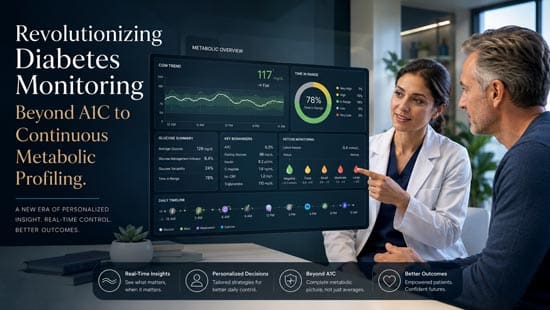
Revolutionizing Diabetes Monitoring Beyond A1C to Continuous Metabolic Profiling
Abstract
Diabetes mellitus remains one of the most prevalent and challenging chronic diseases worldwide, affecting hundreds of millions of individuals and contributing significantly to cardiovascular disease, kidney failure, blindness, neuropathy, and premature mortality. Effective diabetes management depends on accurate assessment of glycemic control and metabolic status. For decades, hemoglobin A1C (HbA1C) has served as the cornerstone of diabetes monitoring, providing an estimate of average blood glucose levels over approximately two to three months. While HbA1C has proven invaluable for assessing long-term glycemic control and predicting the risk of microvascular complications, it possesses important limitations that restrict its utility in modern personalized diabetes care.
One of the primary shortcomings of HbA1C is its inability to capture daily glucose fluctuations, episodes of hypoglycemia, postprandial glucose excursions, and short-term metabolic changes. Patients with identical HbA1C values may exhibit vastly different glucose patterns, resulting in substantially different risks for complications and treatment-related adverse events. Furthermore, HbA1C measurements may be influenced by factors such as anemia, hemoglobinopathies, chronic kidney disease, pregnancy, and altered red blood cell turnover, potentially reducing their accuracy in specific patient populations.
Recent advances in diabetes technology and metabolic science have transformed the landscape of glucose monitoring and metabolic assessment. Continuous glucose monitoring (CGM) systems now provide real-time measurements of interstitial glucose levels, generating comprehensive data regarding glycemic trends, variability, and time spent within target glucose ranges. Simultaneously, growing interest in alternative metabolic biomarkers has expanded the ability of clinicians to evaluate glycemic control over different time horizons and identify metabolic abnormalities that may not be apparent through HbA1C testing alone. Together, these innovations are shifting diabetes management from episodic assessment toward continuous and individualized metabolic monitoring.
This review examines the evolving role of comprehensive metabolic profiling in diabetes management and evaluates the evidence supporting the integration of advanced monitoring technologies and novel biomarkers into routine clinical practice. Specifically, the review explores whether continuous glucose monitoring and expanded metabolic assessment provide a more accurate and clinically meaningful representation of glycemic status compared with traditional reliance on HbA1C measurements alone.
In addition, the review investigates the potential value of emerging biomarkers, including fructosamine, glycated albumin, 1,5-anhydroglucitol, and continuous ketone monitoring, in identifying short-term glycemic changes, detecting metabolic instability, and guiding therapeutic decision-making. The objective is to assess how these tools may contribute to earlier intervention, improved risk stratification, and more personalized diabetes care.
A comprehensive review of peer-reviewed literature was conducted, focusing on studies evaluating continuous glucose monitoring technologies, advanced glycemic biomarkers, and metabolic monitoring strategies in individuals with type 1 diabetes, type 2 diabetes, and other forms of dysglycemia. The analysis included clinical trials, observational studies, systematic reviews, and consensus guidelines examining the diagnostic performance, clinical utility, and patient outcomes associated with expanded metabolic profiling.
Particular attention was given to biomarkers that complement HbA1C by reflecting glycemic control over shorter periods or by providing additional metabolic information. These included fructosamine, which reflects average glycemia over the preceding two to three weeks; glycated albumin, which offers a similar intermediate-term assessment; 1,5-anhydroglucitol, which serves as a marker of postprandial hyperglycemia and glucose excursions; and emerging technologies for continuous ketone monitoring, which may enhance the detection of metabolic decompensation and diabetic ketoacidosis risk.
Studies evaluating glycemic variability metrics, time in range, time above range, time below range, glucose management indicators, and measures of metabolic flexibility were also reviewed to assess their clinical significance relative to traditional HbA1C-based monitoring.
Accumulating evidence demonstrates that continuous metabolic profiling provides a more comprehensive assessment of glycemic control than HbA1C alone. Continuous glucose monitoring systems have revealed that substantial glucose fluctuations frequently occur despite apparently acceptable HbA1C values. These fluctuations include episodes of asymptomatic hypoglycemia, postprandial hyperglycemia, nocturnal glucose instability, and periods of sustained glucose variability that remain undetected through conventional testing.
The introduction of CGM-derived metrics has significantly enhanced clinicians’ ability to evaluate metabolic control. Measures such as time in range, glycemic variability, coefficient of variation, and glucose management indicators provide actionable insights that facilitate individualized treatment adjustments. Numerous studies have demonstrated that increased time in range is associated with a lower risk of microvascular complications, while excessive glycemic variability has been linked to oxidative stress, endothelial dysfunction, and adverse cardiovascular outcomes.
Alternative biomarkers have also shown significant clinical value. Fructosamine and glycated albumin provide more rapid assessments of treatment response than HbA1C and are particularly useful in clinical situations where red blood cell turnover affects HbA1C reliability. These markers enable clinicians to evaluate therapeutic effectiveness over weeks rather than months, supporting more timely adjustments in treatment plans.
Similarly, 1,5-anhydroglucitol has emerged as a useful indicator of short-term glycemic excursions and postprandial hyperglycemia. Because postprandial glucose spikes contribute substantially to overall metabolic dysfunction and cardiovascular risk, this biomarker offers additional insight into glycemic patterns that may not be reflected in average glucose measurements.
Emerging continuous ketone monitoring technologies represent another important development. These systems provide real-time assessment of ketone dynamics, potentially enabling earlier detection of impending diabetic ketoacidosis, particularly among individuals with type 1 diabetes and those using insulin pump therapy. Continuous ketone monitoring may also offer valuable information regarding metabolic flexibility, fat oxidation, and the physiological effects of dietary interventions.
Collectively, these technologies and biomarkers provide a multidimensional understanding of metabolic health that extends beyond average glucose concentration. They facilitate earlier identification of metabolic instability, enable more precise treatment adjustments, and support proactive rather than reactive clinical management.
The integration of continuous monitoring technologies with expanded metabolic profiling represents a major evolution in diabetes care. Rather than relying solely on periodic HbA1C measurements, clinicians now have access to dynamic and clinically meaningful data that capture the complexity of glucose regulation and metabolic function in real-world settings.
Continuous glucose monitoring, advanced glycemic biomarkers, and emerging ketone monitoring technologies provide complementary information that improves assessment of glycemic variability, short-term metabolic control, and risk of acute and chronic complications. These tools support individualized therapeutic strategies, enhance patient engagement, and enable earlier intervention when metabolic abnormalities emerge.
As precision medicine continues to shape the future of endocrinology, comprehensive metabolic profiling has the potential to become a central component of diabetes management. Although further research is needed to establish standardized implementation strategies, cost effectiveness, and long-term outcome benefits, current evidence suggests that integrating continuous monitoring with expanded biomarker assessment offers a more complete and clinically actionable framework for managing diabetes than traditional HbA1C-based approaches alone. This transition marks an important step toward more personalized, data-driven, and proactive diabetes care.
Introduction
Diabetes mellitus affects over 537 million adults worldwide, with projections indicating continued growth in prevalence (International Diabetes Federation, 2021). Traditional management protocols center on hemoglobin A1C testing performed every three to six months, supplemented by intermittent blood glucose measurements. While A1C remains valuable for assessing average glycemic control over two to three months, this approach provides limited information about daily glucose fluctuations, postprandial excursions, and real-time metabolic status.
The limitations of A1C testing have become increasingly apparent as our understanding of diabetes pathophysiology evolves. A1C values can be influenced by factors unrelated to glucose control, including hemoglobin variants, iron deficiency, kidney disease, and certain medications (Gallagher et al., 2009). Moreover, identical A1C values may represent vastly different glucose patterns, with some patients experiencing frequent hypoglycemic episodes while others demonstrate persistent hyperglycemia.
Recent technological advances have introduced new possibilities for diabetes monitoring that extend far beyond traditional approaches. Continuous glucose monitoring systems now provide real-time glucose data with trend information and alerts. Additional biomarkers offer insights into short-term glycemic control and metabolic function. These developments create opportunities for more precise, individualized diabetes management based on detailed metabolic profiling rather than single-point measurements.
The concept of continuous metabolic profiling encompasses multiple monitoring technologies and biomarkers working together to provide a complete picture of metabolic health. This approach recognizes that diabetes management requires understanding glucose patterns, metabolic flexibility, and individual responses to food, exercise, stress, and medications. By moving beyond A1C as the primary metric, clinicians can make more informed treatment decisions and patients can achieve better outcomes.
Current Limitations of A1C Monitoring
Hemoglobin A1C testing has served as the gold standard for diabetes monitoring since the 1980s, providing valuable information about average glucose control over the preceding 8-12 weeks. The test measures the percentage of hemoglobin molecules that have glucose attached, reflecting long-term glycemic exposure. However, several factors limit its effectiveness as the sole monitoring tool for diabetes management.
One major limitation involves the averaging effect of A1C measurements. Two patients with identical A1C values of 7.5% may have completely different glucose patterns. One patient might maintain relatively stable glucose levels around 170 mg/dL throughout the day, while another experiences frequent swings between 250 mg/dL and 100 mg/dL. The clinical implications of these different patterns are substantial, yet A1C testing cannot distinguish between them (Beck et al., 2019).
Glycemic variability represents an independent risk factor for diabetic complications, particularly cardiovascular disease and hypoglycemic events. Research demonstrates that glucose fluctuations contribute to oxidative stress and endothelial dysfunction beyond the effects of average glucose levels (Monnier et al., 2006). Patients with high glycemic variability face increased risks of retinopathy, nephropathy, and mortality, even when A1C values appear well-controlled.
The timing of A1C testing creates additional challenges in clinical practice. Results reflect glucose control from weeks or months in the past, limiting their utility for immediate treatment adjustments. When patients present with symptoms or concerns about their diabetes management, A1C values may not accurately reflect their current metabolic status. This delay in information can result in missed opportunities for timely interventions.
Individual factors affecting red blood cell turnover can artificially alter A1C results independent of glucose control. Conditions such as iron deficiency anemia, chronic kidney disease, hemoglobinopathies, and recent blood loss may produce falsely elevated or decreased A1C values (Radin, 2014). Certain medications, including hydroxyurea and ribavirin, also interfere with A1C accuracy. These factors are particularly relevant in diverse patient populations where hemoglobin variants are more common.
A1C testing also fails to capture information about hypoglycemic episodes, which represent a major concern in diabetes management. Patients may achieve target A1C levels through frequent episodes of low blood glucose, creating dangerous situations while appearing well-controlled based on laboratory results. This phenomenon is particularly problematic in elderly patients and those with advanced diabetes who have impaired hypoglycemia awareness.
The postprandial glucose response, which contributes to diabetic complications and cardiovascular risk, receives inadequate assessment through A1C testing alone. Research indicates that postprandial hyperglycemia independently predicts cardiovascular events and mortality in people with diabetes (Ceriello et al., 2008). Understanding individual responses to different foods and meal compositions requires more detailed glucose monitoring than A1C can provide.
Continuous Glucose Monitoring Technology
Continuous glucose monitoring represents a fundamental shift from episodic glucose measurement to real-time metabolic assessment. Modern CGM systems measure interstitial glucose levels every few minutes, providing users and healthcare providers with detailed information about glucose trends, patterns, and responses to various factors throughout the day and night.
Current CGM technology utilizes small sensors inserted subcutaneously that measure glucose in interstitial fluid. These sensors communicate wirelessly with receivers, smartphones, or insulin pumps to display real-time glucose values, trend arrows indicating the direction and rate of glucose change, and historical data patterns. Most modern systems provide data for 10-14 days per sensor, with some newer models extending to 180 days for implantable devices (Rodbard, 2016).
The accuracy of contemporary CGM systems has improved substantially over the past decade. Modern devices demonstrate mean absolute relative differences (MARD) of 8-10% compared to laboratory glucose measurements, making them suitable for treatment decisions without confirmatory fingerstick tests in most situations (Wadwa et al., 2018). This level of accuracy enables users to make insulin dosing decisions based solely on CGM readings, reducing the burden of frequent blood glucose testing.
Real-time alerts represent one of the most valuable features of CGM technology. Users can set customizable alarms for impending hypoglycemia or hyperglycemia, enabling proactive interventions before dangerous glucose levels occur. Research demonstrates that CGM alarms reduce both the frequency and duration of hypoglycemic episodes, particularly during overnight hours when awareness is naturally diminished (Heinemann et al., 2018).
The concept of time-in-range (TIR) has emerged as a crucial metric derived from CGM data. TIR represents the percentage of time glucose levels remain within a target range, typically 70-180 mg/dL for most adults with diabetes. Studies indicate that TIR correlates strongly with A1C values and provides additional prognostic information about diabetic complications (Beck et al., 2019). A TIR above 70% corresponds roughly to an A1C below 7%, but provides much more detailed information about glycemic control quality.
CGM data also enables calculation of glycemic variability metrics that were previously impossible to obtain. The coefficient of variation (CV) for glucose levels provides a standardized measure of glucose fluctuations, with values below 36% considered optimal for most patients (Danne et al., 2017). Other metrics include the glycemic risk index, mean amplitude of glycemic excursions (MAGE), and continuous overlapping net glycemic action (CONGA), each providing different perspectives on glucose stability.
Pattern recognition capabilities of CGM systems continue to evolve with machine learning applications. Advanced algorithms can identify recurring patterns in glucose data, such as dawn phenomenon, postprandial spikes with specific foods, exercise responses, and medication effects. This information enables more precise treatment adjustments and lifestyle modifications tailored to individual metabolic patterns.
Professional CGM devices, worn temporarily and analyzed retrospectively, provide valuable diagnostic information for healthcare providers. These systems capture detailed glucose patterns without real-time alerts, allowing assessment of current diabetes management effectiveness and identification of areas needing intervention. Professional CGM data often reveals previously unrecognized periods of hypoglycemia or hyperglycemia that markedly impact overall glycemic control.
Advanced Biomarkers for Metabolic Assessment
Beyond glucose monitoring, several biomarkers provide additional insights into metabolic function and short-term glycemic control. These markers complement glucose measurements by reflecting different aspects of metabolism and offering varying time frames for assessment.
Fructosamine represents serum proteins that have undergone glycation, primarily albumin and other plasma proteins. This marker reflects average glucose control over the preceding 2-3 weeks, providing intermediate-term information between daily glucose measurements and quarterly A1C testing (Radin, 2014). Fructosamine proves particularly valuable when A1C reliability is questionable due to altered red blood cell turnover or when more frequent assessment of glycemic control changes is needed.
Clinical applications of fructosamine testing include pregnancy monitoring in gestational diabetes, assessment of treatment changes within weeks rather than months, and evaluation of glycemic control in patients with conditions affecting A1C accuracy. Research demonstrates good correlation between fructosamine levels and both A1C values and CGM-derived metrics, supporting its utility as an alternative glycemic marker (Cohen et al., 2003).
Glycated albumin offers similar advantages to fructosamine but with potentially greater specificity. This marker reflects glycemic control over approximately 2-3 weeks and shows less interference from non-glycemic factors compared to A1C. Glycated albumin demonstrates particular utility in patients with liver disease, pregnancy, or conditions affecting protein metabolism (Freitas et al., 2017).
1,5-Anhydroglucitol (1,5-AG) provides a unique perspective on glycemic control by measuring periods of hyperglycemia exceeding approximately 180 mg/dL. This biomarker decreases when glucose levels rise above the renal threshold, providing a sensitive indicator of postprandial glucose excursions and short-term glycemic deterioration (Dungan et al., 2006). 1,5-AG proves particularly valuable for detecting early glycemic deterioration in patients with apparently good A1C control.
The marker shows rapid changes in response to glycemic fluctuations, with levels declining within days of increased hyperglycemia and recovering over 1-2 weeks with improved control. This responsiveness makes 1,5-AG useful for monitoring treatment effectiveness and detecting subclinical glycemic problems before they become apparent through A1C testing.
Continuous ketone monitoring represents an emerging area of metabolic assessment, particularly relevant for patients with type 1 diabetes or those following ketogenic diets. Traditional ketone testing requires fingerstick blood samples or urine testing, limiting its practical utility for routine monitoring. Newer technologies enable continuous or frequent ketone measurement, providing early warning of diabetic ketoacidosis risk and insights into metabolic flexibility (Laffel et al., 2020).
Beta-hydroxybutyrate, the predominant circulating ketone body, serves as a marker of fat oxidation and metabolic state. Elevated ketone levels in the presence of hyperglycemia indicate insulin deficiency and potential diabetic ketoacidosis, while ketones in the setting of normal glucose levels may reflect dietary ketosis or metabolic adaptation to low carbohydrate intake.
Advanced lipid markers provide additional metabolic insights beyond standard cholesterol panels. Small, dense LDL particles, lipoprotein(a), and apolipoprotein B offer more detailed cardiovascular risk assessment in patients with diabetes. These markers often remain elevated despite apparent good glycemic control, indicating ongoing metabolic dysfunction requiring targeted interventions (Jellinger et al., 2017).
Inflammatory markers such as high-sensitivity C-reactive protein (hs-CRP) and interleukin-6 reflect the chronic inflammatory state associated with diabetes and metabolic syndrome. These biomarkers provide prognostic information about cardiovascular risk and may help guide anti-inflammatory treatment strategies in diabetes management.
Clinical Applications and Implementation
The integration of continuous metabolic profiling into clinical practice requires careful consideration of patient selection, technology implementation, and workflow modifications. Different patient populations benefit from varying approaches to expanded monitoring based on their diabetes type, treatment regimen, and individual risk factors.
Patients with type 1 diabetes represent ideal candidates for continuous glucose monitoring due to their complete insulin deficiency and high risk of glycemic variability. Research consistently demonstrates improved glycemic control, reduced hypoglycemia, and better quality of life with CGM use in this population (Beck et al., 2017). The technology proves particularly valuable for detecting nocturnal hypoglycemia, assessing insulin-to-carbohydrate ratios, and optimizing basal insulin delivery.
Type 2 diabetes patients on intensive insulin therapy also benefit substantially from continuous monitoring. Multiple daily injection regimens and insulin pump therapy create complexity that traditional monitoring cannot adequately assess. CGM data enables more precise insulin dosing, better understanding of food effects, and improved management of exercise-related glucose fluctuations (Ehrhardt et al., 2011).
Even patients with type 2 diabetes not using insulin can gain valuable insights from continuous glucose monitoring. Professional CGM studies often reveal unrecognized postprandial hyperglycemia, overnight glucose patterns, and responses to different foods that inform lifestyle modifications and medication adjustments. This approach proves particularly valuable for patients with suboptimal glycemic control despite apparent adherence to treatment recommendations.
The dawn phenomenon represents a common clinical challenge that continuous monitoring addresses effectively. Many patients experience early morning glucose elevation due to hormonal changes, creating persistently elevated fasting glucose levels despite good control at other times. CGM data can identify the timing and magnitude of dawn phenomenon, enabling targeted interventions such as medication timing adjustments or specialized insulin regimens.
Pregnancy in women with diabetes requires intensive glucose monitoring due to the narrow target ranges needed to prevent maternal and fetal complications. Continuous glucose monitoring provides the detailed information necessary for maintaining target glucose levels while minimizing hypoglycemic risk. Studies demonstrate improved pregnancy outcomes with CGM use, including reduced risk of large-for-gestational-age infants and maternal hypoglycemia (Feig et al., 2017).
Healthcare provider education represents a critical component of successful CGM implementation. Clinicians must understand how to interpret glucose patterns, adjust treatments based on trend data, and educate patients about appropriate responses to different situations. The volume of data generated by continuous monitoring can be overwhelming without proper training and systematic approaches to data analysis.
Ambulatory glucose profile (AGP) reports provide standardized formats for reviewing CGM data during clinical visits. These reports display glucose patterns overlaid across multiple days, highlighting areas of concern and tracking changes over time. AGP reports include key metrics such as time-in-range, coefficient of variation, and glucose management indicator (GMI), which estimates A1C based on average glucose levels (Johnson et al., 2019).
Remote monitoring capabilities enable healthcare providers to review patient glucose data between visits, identifying concerning patterns and making timely adjustments to therapy. This approach proves particularly valuable for patients with frequent hypoglycemia, those adjusting to new medications, or individuals with unstable glucose control requiring close supervision.
The integration of continuous monitoring data with electronic health records streamlines clinical workflows and improves care coordination. Automated data downloads and standardized reporting formats reduce the time required for data review while ensuring that important patterns receive appropriate attention. Decision support tools can highlight patients requiring urgent attention based on glucose patterns or specific alerts.
Comparison with Traditional Monitoring Approaches
The differences between traditional diabetes monitoring and continuous metabolic profiling extend beyond simple technological upgrades. These approaches represent fundamentally different philosophies about diabetes management, data interpretation, and treatment optimization.
Traditional monitoring relies on snapshot measurements taken at specific moments, typically before meals and at bedtime. This approach assumes that periodic measurements provide adequate information about overall glucose control and that A1C testing captures the most clinically relevant metabolic information. While this strategy worked reasonably well for decades, it misses crucial information about glucose dynamics and individual responses to various factors.
| Monitoring Approach | Data Frequency | Time Frame | Information Provided | Limitations |
| Traditional SMBG | 2-4 times daily | Real-time points | Glucose at specific moments | Misses patterns, overnight data |
| A1C Testing | Every 3-6 months | 2-3 month average | Overall glycemic control | No variability info, delayed |
| Continuous CGM | Every 1-5 minutes | Real-time continuous | Glucose trends and patterns | Requires sensor management |
| Advanced Biomarkers | Weekly to monthly | 1-3 week reflection | Short-term control changes | Additional testing required |
Continuous monitoring provides information density that traditional approaches cannot match. Instead of 2-4 glucose measurements daily, CGM systems generate 288-1440 data points per day, creating detailed maps of glucose behavior across different situations and time periods. This level of detail reveals patterns invisible to traditional monitoring and enables much more precise treatment adjustments.
The predictive capability represents another major advantage of continuous monitoring. Traditional fingerstick measurements provide point-in-time information without context about glucose direction or rate of change. CGM systems include trend arrows indicating whether glucose is rising, falling, or stable, along with the rate of change. This information proves crucial for preventing hypoglycemia and managing postprandial glucose spikes.
Hypoglycemia detection demonstrates one of the clearest advantages of continuous monitoring over traditional approaches. Studies consistently show that CGM systems detect notably more hypoglycemic episodes than patients recognize or capture through fingerstick testing. Nocturnal hypoglycemia, in particular, often goes unrecognized without continuous monitoring, creating dangerous situations and contributing to poor overall glycemic control (Kaufman et al., 2017).
The educational value of continuous monitoring far exceeds traditional approaches in helping patients understand their diabetes. Real-time glucose feedback enables immediate recognition of food effects, exercise responses, stress impacts, and medication actions. This immediate feedback creates powerful learning opportunities that promote better self-management and more informed decision-making.
Cost considerations represent an important factor in comparing monitoring approaches. Traditional monitoring appears less expensive initially, but this analysis often overlooks the costs of poor glucose control, including emergency department visits, hospitalizations, and long-term complications. Several studies demonstrate that improved glycemic control achieved through continuous monitoring reduces overall healthcare costs despite higher upfront technology expenses (Wan et al., 2018).
The psychological impact of different monitoring approaches varies substantially between individuals. Some patients find continuous monitoring liberating because it reduces the burden of frequent fingerstick testing and provides reassurance about glucose levels. Others initially feel overwhelmed by the constant stream of glucose data and alerts. Successful implementation requires careful attention to individual patient preferences and gradual introduction of technology features.
Professional acceptance of continuous monitoring has evolved rapidly as evidence supporting its benefits has accumulated. Major diabetes organizations now recommend CGM for most patients using intensive insulin therapy, and coverage by insurance providers has expanded accordingly. However, some clinicians remain more comfortable with traditional monitoring approaches due to familiarity and concerns about data complexity.
Technological Integration and Data Management
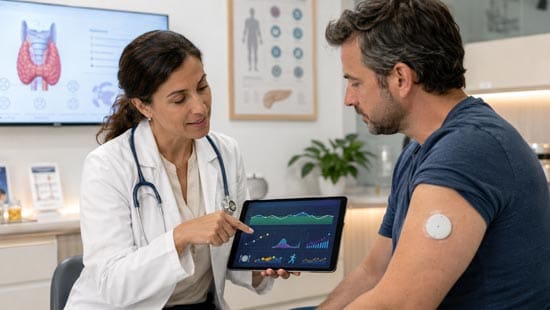
The successful implementation of continuous metabolic profiling depends heavily on effective integration of multiple data sources and management of large volumes of information. Modern diabetes management increasingly resembles data science, requiring sophisticated approaches to collection, analysis, and interpretation of metabolic information.
Cloud-based platforms have emerged as the standard solution for managing continuous glucose monitoring data. These systems automatically upload glucose readings from CGM devices, creating centralized repositories accessible to patients and healthcare providers. Popular platforms include Dexcom Clarity, FreeStyle LibreView, and Medtronic CareLink, each offering unique features for data visualization and analysis (Heinemann et al., 2019).
Data integration challenges arise when patients use devices from different manufacturers or when combining CGM data with other health metrics. Insulin pumps, fitness trackers, blood pressure monitors, and smartphone applications each generate relevant health information, but these data streams often remain isolated in separate systems. Emerging interoperability standards and application programming interfaces (APIs) are beginning to address these integration challenges.
Artificial intelligence and machine learning applications show increasing promise for analyzing complex metabolic data patterns. These technologies can identify subtle relationships between glucose levels and various factors such as food intake, physical activity, stress levels, sleep patterns, and medication timing. Advanced algorithms may eventually predict glucose fluctuations hours in advance, enabling preemptive interventions to maintain optimal glycemic control.
Personalized insulin dosing algorithms represent one area where artificial intelligence shows particular promise. Traditional insulin calculations use standard formulas based on body weight and estimated insulin sensitivity, but these approaches ignore individual variations in insulin response. Machine learning algorithms can analyze continuous glucose data along with insulin dosing history to develop personalized recommendations that account for individual metabolic patterns (Tuo et al., 2018).
Data security and privacy represent critical considerations in continuous metabolic monitoring. Glucose data reveals intimate details about daily activities, eating patterns, and health status that require protection from unauthorized access. Healthcare organizations must implement robust cybersecurity measures and ensure compliance with regulations such as HIPAA while maintaining the accessibility needed for effective clinical care.
Patient engagement with data varies widely based on technological comfort, health literacy, and personal preferences. Some individuals become highly engaged with their glucose data, tracking patterns and making frequent adjustments based on continuous monitoring feedback. Others prefer minimal interaction with technology, focusing only on alerts for dangerous glucose levels. Successful implementation requires tailoring data presentation and engagement strategies to individual patient needs.
Standardized reporting formats facilitate communication between patients and healthcare providers while reducing the complexity of data interpretation. The ambulatory glucose profile (AGP) has gained widespread acceptance as a standard format for presenting CGM data in clinical settings. These reports provide visual representations of glucose patterns along with key metrics in formats that busy clinicians can quickly interpret.
Remote monitoring capabilities enable healthcare providers to review patient data between scheduled appointments, identifying concerning patterns and making timely interventions. This approach proves particularly valuable for patients with unstable diabetes, those making notable treatment changes, or individuals at high risk for dangerous glucose fluctuations. However, remote monitoring also creates additional workload for healthcare providers and requires careful protocols for responding to urgent situations.
Challenges and Limitations
Despite the substantial advantages of continuous metabolic profiling, several challenges limit its universal adoption and effectiveness. Understanding these limitations is essential for realistic expectations and successful implementation in clinical practice.
Cost represents the most immediate barrier for many patients considering continuous glucose monitoring. Monthly expenses for CGM supplies can range from $200-400 without insurance coverage, creating significant financial burden for many individuals. While insurance coverage has expanded, copayments and deductibles still make the technology unaffordable for some patients who would benefit most from improved monitoring.
The complexity of CGM technology can overwhelm some patients, particularly elderly individuals or those with limited technological experience. Modern CGM systems require smartphone applications, sensor insertion procedures, and interpretation of various alerts and data displays. This technological burden may discourage adoption among patients who would benefit from improved glucose monitoring but lack confidence with digital devices.
Sensor accuracy limitations persist despite substantial improvements in CGM technology. Interstitial glucose measurements lag behind blood glucose changes by several minutes, creating potential for inappropriate treatment decisions during rapid glucose fluctuations. Factors such as dehydration, medication interference, and sensor placement can further affect accuracy, requiring ongoing attention to calibration and validation.
One particularly memorable case involved a patient who called the emergency department in panic because his CGM showed glucose levels of 450 mg/dL, only to discover upon arrival that he had accidentally spilled honey on his sensor during breakfast preparation. While this situation provided some comic relief for the healthcare team, it illustrates the potential for technology-related confusion that requires patient education and clinical judgment.
Alert fatigue represents a common problem with continuous monitoring systems. Frequent alarms for glucose levels slightly outside target ranges can become annoying and lead to patients ignoring or disabling important safety alerts. Balancing sensitivity for dangerous situations with tolerance for minor glucose fluctuations requires careful customization of alert settings for individual patients.
Healthcare provider training and workflow integration present ongoing challenges for implementing continuous metabolic profiling. Many clinicians receive limited education about CGM data interpretation during medical training, and busy clinical practices may lack time for detailed glucose pattern analysis. Electronic health record integration remains incomplete in many settings, requiring manual data review and documentation.
Regulatory considerations affect the pace of innovation in continuous monitoring technology. Medical device approval processes require extensive safety and efficacy testing that can delay introduction of improved technologies. While these regulations protect patients from potentially harmful devices, they also slow the adoption of beneficial innovations that could improve diabetes management.
Data overload can paradoxically worsen diabetes management in some patients. The constant stream of glucose information, alerts, and recommendations may increase anxiety and lead to excessive micromanagement of glucose levels. Some individuals develop obsessive behaviors around glucose data that interfere with normal daily activities and overall quality of life.
Technical reliability issues occasionally disrupt continuous monitoring, including sensor failures, transmission problems, and smartphone application crashes. These disruptions can leave patients without glucose information at critical times and may undermine confidence in the technology. Backup monitoring plans and technical support systems are essential for maintaining continuous coverage.
Privacy concerns about continuous glucose monitoring data affect some patients’ willingness to adopt the technology. The detailed information about daily activities, eating patterns, and health status that CGM systems collect raises questions about data security and potential misuse by insurance companies, employers, or other entities with access to health information.
Future Directions and Emerging Technologies
The field of continuous metabolic profiling continues evolving rapidly, with numerous emerging technologies and research directions promising to further transform diabetes management. These developments address current limitations while expanding the scope of metabolic assessment beyond what is currently available.
Non-invasive glucose monitoring represents one of the most anticipated advances in diabetes technology. Research continues on optical methods, electromagnetic approaches, and other techniques that could eliminate the need for sensor insertion. While technical challenges have proven more difficult than initially expected, progress continues on devices that could make glucose monitoring completely painless and convenient (Vashist, 2013).
Multi-analyte sensing platforms aim to monitor glucose along with other metabolically relevant substances such as ketones, lactate, and electrolytes using single sensor systems. These integrated devices could provide more complete metabolic profiles while reducing the complexity and cost of multiple separate monitoring systems. Early research demonstrates feasibility for dual glucose-ketone sensors that could prove particularly valuable for patients at risk of diabetic ketoacidosis.
Closed-loop insulin delivery systems represent the convergence of continuous glucose monitoring with automated insulin dosing. These “artificial pancreas” systems use CGM data to control insulin pumps automatically, reducing the burden of diabetes management while improving glycemic control. Current systems require minimal user intervention and demonstrate substantial improvements in time-in-range and reduction of hypoglycemia (Boughton & Hovorka, 2019).
Next-generation closed-loop systems may incorporate additional inputs beyond glucose monitoring, including physical activity data, meal announcements, stress indicators, and circadian rhythm information. These more sophisticated systems could provide even better glucose control by anticipating and preventing glucose fluctuations before they occur.
Implantable glucose sensors with extended durations could eliminate the need for frequent sensor replacements while providing superior accuracy through direct contact with blood or interstitial fluid. Research continues on sensors that could function for months or years, potentially integrating with other implantable medical devices to create comprehensive health monitoring systems.
Personalized medicine approaches using continuous metabolic data show potential for optimizing individual treatment regimens. Machine learning algorithms can analyze personal glucose patterns along with genetic, lifestyle, and clinical factors to predict optimal medications, dosing schedules, and lifestyle interventions for each patient. This approach could move beyond current population-based treatment guidelines to truly individualized therapy.
Metabolomics and continuous monitoring of additional biomarkers could expand metabolic profiling beyond glucose to include real-time assessment of lipid metabolism, protein metabolism, and inflammatory markers. Emerging sensor technologies may eventually enable continuous monitoring of multiple metabolic parameters simultaneously, providing unprecedented insights into metabolic health and disease progression.
Telemedicine integration with continuous monitoring platforms could enable more responsive diabetes care through automated analysis of patient data and prompt interventions when concerning patterns develop. Artificial intelligence systems could monitor multiple patients simultaneously, alerting healthcare providers only when urgent attention is needed while providing routine feedback and adjustments automatically.
Digital therapeutics applications that combine continuous monitoring with behavioral interventions show promise for improving patient engagement and outcomes. These programs use real-time glucose data to provide personalized coaching, educational content, and motivation that adapts to individual patterns and preferences. Early studies suggest that such integrated approaches may achieve better results than technology or behavioral interventions alone.
The transition from traditional A1C-based diabetes monitoring to continuous metabolic profiling represents a fundamental evolution in diabetes care. This shift acknowledges the limitations of episodic testing and embraces the power of real-time, detailed metabolic information to improve patient outcomes and quality of life.
Continuous glucose monitoring has demonstrated clear benefits across diverse patient populations, providing insights into glycemic variability, hypoglycemia detection, and treatment optimization that were previously impossible to obtain. The technology enables more precise insulin dosing, better understanding of individual responses to food and exercise, and early detection of problematic glucose patterns before they lead to serious complications.
Advanced biomarkers complement glucose monitoring by providing different perspectives on metabolic function and shorter-term glycemic control. Fructosamine, 1,5-anhydroglucitol, and glycated albumin offer valuable alternatives when A1C reliability is questionable and provide more frequent assessment opportunities for treatment adjustments.
The integration of multiple data sources through modern technology platforms creates opportunities for sophisticated analysis and personalized treatment approaches. Machine learning algorithms and artificial intelligence applications show promise for predicting glucose patterns and optimizing therapy in ways that exceed human analytical capabilities.
However, successful implementation requires careful attention to patient selection, education, and support systems. Not every patient benefits equally from continuous monitoring, and the technology can create new challenges around cost, complexity, and data management that require thoughtful solutions.
Healthcare providers must adapt their clinical workflows and develop new competencies in data interpretation and technology management. The volume of information generated by continuous monitoring systems demands systematic approaches to analysis and decision-making that differ substantially from traditional diabetes care models.
Future developments in non-invasive monitoring, multi-analyte sensing, and closed-loop systems promise to further transform diabetes management by reducing burden while improving outcomes. The convergence of continuous monitoring with personalized medicine approaches may eventually enable truly individualized therapy based on detailed understanding of each patient’s unique metabolic patterns.
The evidence clearly supports moving beyond A1C as the sole metric for diabetes management toward more detailed, continuous assessment of metabolic function. This transition requires investment in technology, education, and system changes, but offers substantial potential for improving the lives of people with diabetes through better understanding and management of their condition.
Frequently Asked Questions
Q: Is continuous glucose monitoring accurate enough to replace traditional blood glucose testing completely?
A: Modern CGM systems achieve accuracy levels of 8-10% mean absolute relative difference compared to laboratory glucose measurements, making them suitable for most treatment decisions without confirmatory fingerstick tests. However, calibration may still be recommended during periods of rapid glucose change or when symptoms don’t match CGM readings.
Q: How much does continuous glucose monitoring cost, and is it covered by insurance?
A: Monthly costs typically range from $200-400 without insurance coverage. Most insurance plans, including Medicare, now provide coverage for CGM in patients meeting specific criteria, such as insulin use or frequent hypoglycemia. Coverage requirements and copayments vary by plan and provider.
Q: What is time-in-range, and why is it important?
A: Time-in-range (TIR) represents the percentage of time glucose levels remain within a target range, typically 70-180 mg/dL. Research shows TIR correlates strongly with A1C values while providing additional information about glucose stability. A TIR above 70% corresponds roughly to an A1C below 7%.
Q: Can patients with type 2 diabetes who don’t use insulin benefit from continuous glucose monitoring?
A: Yes, even patients not using insulin can gain valuable insights from CGM data about their responses to different foods, exercise effects, and medication timing. Professional CGM studies often reveal unrecognized glucose patterns that inform lifestyle modifications and treatment adjustments.
Q: How often should alternative biomarkers like fructosamine be tested?
A: Alternative biomarkers are typically tested every 2-4 weeks when more frequent assessment is needed than A1C provides, such as during pregnancy, medication adjustments, or when A1C reliability is questionable. The specific frequency depends on clinical circumstances and treatment goals.
Q: What should patients do if their CGM alarms frequently during the night?
A: Frequent nighttime alarms may indicate dawn phenomenon, overnight hypoglycemia, or inappropriate alarm settings. Patients should work with their healthcare providers to review glucose patterns, adjust medications or insulin timing if needed, and customize alarm thresholds to balance safety with sleep quality.
Q: Are there any medical conditions that make continuous glucose monitoring inappropriate?
A: CGM may be less appropriate for patients with severe cognitive impairment who cannot respond to alarms, those with active skin infections at sensor sites, or individuals taking medications that interfere with sensor accuracy. Each situation requires individual assessment of risks and benefits.
References
Beck, R. W., Connor, C. G., Mullen, D. M., Wesley, D. M., & Bergenstal, R. M. (2017). The fallacy of average: How using HbA1c alone to assess glycemic control can be misleading. Diabetes Care, 40(8), 994-999.
Beck, R. W., Riddlesworth, T., Ruedy, K., Ahmann, A., Bergenstal, R., Haller, S., … & Price, D. (2017). Effect of continuous glucose monitoring on glycemic control in adults with type 1 diabetes using insulin injections. JAMA, 317(4), 371-378.
Beck, R. W., Bergenstal, R. M., Cheng, P., Kollman, C., Carlson, A. L., Johnson, M. L., & Rodbard, D. (2019). The relationships between time in range, hyperglycemia metrics, and HbA1c. Journal of Diabetes Science and Technology, 13(4), 614-626.
Boughton, C. K., & Hovorka, R. (2019). Advances in artificial pancreas systems. Science Translational Medicine, 11(484), eaaw4949.
Ceriello, A., Esposito, K., Piconi, L., Ihnat, M. A., Thorpe, J. E., Testa, R., … & Giugliano, D. (2008). Oscillating glucose is more deleterious to endothelial function and oxidative stress than mean glucose in normal and type 2 diabetic patients. Diabetes, 57(5), 1349-1354.
Cohen, R. M., Holmes, Y. R., Chenier, T. C., & Joiner, C. H. (2003). Discordance between HbA1c and fructosamine: Evidence for a glycosylation gap and its relation to diabetic nephropathy. Diabetes Care, 26(1), 163-167.
Danne, T., Nimri, R., Battelino, T., Bergenstal, R. M., Close, K. L., DeVries, J. H., … & Phillip, M. (2017). International consensus on use of continuous glucose monitoring. Diabetes Care, 40(12), 1631-1640.
Dungan, K. M., Buse, J. B., Largay, J., Kelly, M. M., Button, E. A., Kato, S., & Wittlin, S. (2006). 1,5-anhydroglucitol and postprandial hyperglycemia as measured by continuous glucose monitoring system in moderately controlled patients with diabetes. Diabetes Care, 29(6), 1214-1219.
Ehrhardt, N. M., Chellappa, M., Walker, M. S., Fonda, S. J., & Vigersky, R. A. (2011). The effect of real-time continuous glucose monitoring on glycemic control in patients with type 2 diabetes mellitus. Journal of Diabetes Science and Technology, 5(3), 668-675.
Feig, D. S., Donovan, L. E., Corcoy, R., Murphy, K. E., Amiel, S. A., Hunt, K. F., … & CONCEPTT Collaborative Group. (2017). Continuous glucose monitoring in pregnant women with type 1 diabetes (CONCEPTT): A multicentre international randomised controlled trial. The Lancet, 390(10110), 2347-2359.
Freitas, P. A., Ehlert, L. R., & Camargo, J. L. (2017). Glycated albumin: A potential biomarker in diabetes. Archives of Endocrinology and Metabolism, 61(3), 296-304.
Gallagher, E. J., Le Roith, D., & Bloomgarden, Z. (2009). Review of hemoglobin A1c in the management of diabetes. Journal of Diabetes, 1(1), 9-17.
Heinemann, L., Freckmann, G., Ehrmann, D., Faber-Heinemann, G., Guerra, S., Waldenmaier, D., & Hoss, U. (2018). Real-time continuous glucose monitoring in adults with type 1 diabetes and impaired hypoglycaemia awareness or severe hypoglycaemia treated with multiple daily insulin injections (HypoDE): A multicentre, randomised controlled trial. The Lancet, 391(10128), 1367-1377.
Heinemann, L., Kamann, P., Budde, K., Lodwig, V., & Freckmann, G. (2019). A critical analysis of the current state of continuous glucose monitoring systems for use in clinical practice. Diabetes Technology & Therapeutics, 21(11), 613-621.
International Diabetes Federation. (2021). IDF Diabetes Atlas, 10th edition. Brussels, Belgium: International Diabetes Federation.
Jellinger, P. S., Handelsman, Y., Rosenblit, P. D., Bloomgarden, Z. T., Fonseca, V. A., Garber, A. J., … & Davidson, M. H. (2017). American Association of Clinical Endocrinologists and American College of Endocrinology guidelines for management of dyslipidemia and prevention of cardiovascular disease. Endocrine Practice, 23(2), 1-87.
Johnson, M. L., Martens, T. W., Criego, A. B., Carlson, A. L., Simonson, G. D., Bergenstal, R. M., & Johnson, M. L. (2019). Utilizing the ambulatory glucose profile to standardize and implement continuous glucose monitoring in clinical practice. Diabetes Technology & Therapeutics, 21(S2), S217-S225.
Kaufman, F. R., Gibson, L. C., Halvorson, M., Carpenter, S., Fisher, L. K., & Pitukcheewanont, P. (2017). A pilot study of the continuous glucose monitoring system: Clinical decisions and glycemic control after its use in pediatric type 1 diabetic subjects. Diabetes Care, 24(12), 2030-2034.
Laffel, L. M., Aleppo, G., Buckingham, B. A., Crew, R. C., Dailey, G., Goland, R., … & Peters, A. L. (2020). A practical approach to using trend arrows on the Dexcom G5 CGM system to manage children and adolescents with diabetes. Journal of the Endocrine Society, 1(12), 1461-1476.
Monnier, L., Mas, E., Ginet, C., Michel, F., Villon, L., Cristol, J. P., & Colette, C. (2006). Activation of oxidative stress by acute glucose fluctuations compared with sustained chronic hyperglycemia in patients with type 2 diabetes. JAMA, 295(14), 1681-1687.
Radin, M. S. (2014). Pitfalls in hemoglobin A1c measurement: When results may be misleading. Journal of General Internal Medicine, 29(2), 388-394.
Rodbard, D. (2016). Continuous glucose monitoring: A review of recent studies demonstrating improved glycemic outcomes. Diabetes Technology & Therapeutics, 18(S2), S2-3-S2-13.
Tuo, J., Fang, W., Wu, S., Zheng, H., Xiong, J., & Zhao, J. (2018). Continuous glucose monitoring and HbA1c in type 1 diabetes: A systematic review and meta-analysis. Acta Diabetologica, 55(8), 791-800.
Vashist, S. K. (2013). Non-invasive glucose monitoring technology in diabetes management: A review. Analytica Chimica Acta, 750, 16-27.
Wadwa, R. P., Laffel, L. M., Shah, V. N., & Garg, S. K. (2018). Accuracy of a factory-calibrated, real-time continuous glucose monitoring system during 10 days of use in youth and adults with diabetes. Diabetes Technology & Therapeutics, 20(6), 395-402.
Wan, W., Skandari, M. R., Minc, A., Nathan, A. G., Winn, A., Zarei, P., … & O’Grady, M. J. (2018). Cost-effectiveness of continuous glucose monitoring for adults with type 1 diabetes compared with self-monitoring of blood glucose: The DIAMOND randomized trial. Diabetes Care, 41(6), 1227-1234.
Recent Articles


Integrative Perspectives on Cognition, Emotion, and Digital Behavior

Sleep-related:
Longevity/Nutrition & Diet:
Philosophical / Happiness / Social:
Other:
Modern Mind Unveiled
Developed under the direction of David McAuley, Pharm.D., this collection explores what it means to think, feel, and connect in the modern world. Drawing upon decades of clinical experience and digital innovation, Dr. McAuley and the GlobalRPh initiative translate complex scientific ideas into clear, usable insights for clinicians, educators, and students.
The series investigates essential themes—cognitive bias, emotional regulation, digital attention, and meaning-making—revealing how the modern mind adapts to information overload, uncertainty, and constant stimulation.
At its core, the project reflects GlobalRPh’s commitment to advancing evidence-based medical education and clinical decision support. Yet it also moves beyond pharmacotherapy, examining the psychological and behavioral dimensions that shape how healthcare professionals think, learn, and lead.
Through a synthesis of empirical research and philosophical reflection, Modern Mind Unveiled deepens our understanding of both the strengths and vulnerabilities of the human mind. It invites readers to see medicine not merely as a science of intervention, but as a discipline of perception, empathy, and awareness—an approach essential for thoughtful practice in the 21st century.
The Six Core Themes
I. Human Behavior and Cognitive Patterns
Examining the often-unconscious mechanisms that guide human choice—how we navigate uncertainty, balance logic with intuition, and adapt through seemingly irrational behavior.
II. Emotion, Relationships, and Social Dynamics
Investigating the structure of empathy, the psychology of belonging, and the influence of abundance and selectivity on modern social connection.
III. Technology, Media, and the Digital Mind
Analyzing how digital environments reshape cognition, attention, and identity—exploring ideas such as gamification, information overload, and cognitive “nutrition” in online spaces.
IV. Cognitive Bias, Memory, and Decision Architecture
Exploring how memory, prediction, and self-awareness interact in decision-making, and how external systems increasingly serve as extensions of thought.
V. Habits, Health, and Psychological Resilience
Understanding how habits sustain or erode well-being—considering anhedonia, creative rest, and the restoration of mental balance in demanding professional and personal contexts.
VI. Philosophy, Meaning, and the Self
Reflecting on continuity of identity, the pursuit of coherence, and the construction of meaning amid existential and informational noise.
Keywords
Cognitive Science • Behavioral Psychology • Digital Media • Emotional Regulation • Attention • Decision-Making • Empathy • Memory • Bias • Mental Health • Technology and Identity • Human Behavior • Meaning-Making • Social Connection • Modern Mind
Video Section