Frontotemporal Dementia After the Bruce Willis Effect What Neurologists Should Revisit
Abstract
The public disclosure of a frontotemporal dementia diagnosis by Bruce Willis brought unprecedented public attention to a neurodegenerative disorder that has historically remained underrecognized outside specialized neurology and memory clinics. While increased awareness has helped highlight the challenges faced by affected individuals and their families, it has also underscored the importance of diagnostic accuracy. For neurologists and other healthcare professionals, heightened public awareness should not lead to broader or less precise diagnostic labeling. Instead, it should reinforce the need for careful clinical evaluation, appropriate use of biomarkers, and a deeper understanding of the diverse conditions that comprise the frontotemporal dementia spectrum.
Frontotemporal dementia (FTD) is not a single disease entity but rather a heterogeneous group of clinical syndromes and underlying neuropathological processes characterized by progressive degeneration of the frontal and temporal lobes. These disorders commonly present with changes in behavior, personality, language, executive function, or motor function and often affect individuals at a younger age than those typically diagnosed with Alzheimer disease. The FTD spectrum encompasses several distinct clinical syndromes, including behavioral variant frontotemporal dementia, primary progressive aphasia variants, frontotemporal dementia associated with motor neuron disease, and related neurodegenerative disorders with overlapping parkinsonian features such as Progressive Supranuclear Palsy and Corticobasal Syndrome. Each of these syndromes possesses unique clinical characteristics, prognostic implications, and underlying pathological substrates, making accurate phenotypic classification essential for optimal patient management.
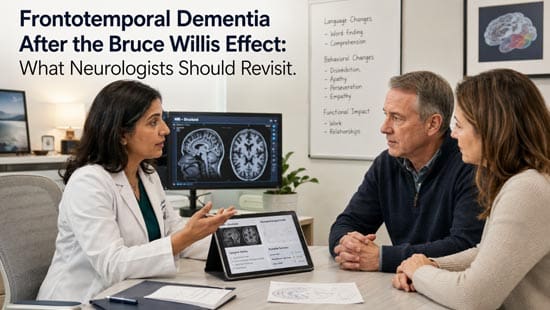
The diagnostic process for frontotemporal dementia requires a comprehensive and multidisciplinary approach. Because patients frequently lack insight into their cognitive or behavioral changes, obtaining a detailed history from a reliable informant is often one of the most critical components of the evaluation. Family members and caregivers can provide valuable information regarding symptom onset, progression, behavioral alterations, language difficulties, and functional decline that may not be readily apparent during clinical encounters. A thorough neurological examination and formal neuropsychological assessment are equally important for identifying characteristic patterns of executive dysfunction, language impairment, social cognition deficits, and behavioral abnormalities.
Neuroimaging plays a central role in confirming the diagnosis and excluding alternative causes of cognitive impairment. Structural imaging with magnetic resonance imaging can reveal patterns of frontal and temporal lobe atrophy that support an FTD diagnosis while also identifying vascular, neoplastic, or inflammatory conditions that may mimic neurodegenerative disease. In selected cases, functional imaging with fluorodeoxyglucose positron emission tomography can demonstrate characteristic patterns of hypometabolism that may aid diagnostic certainty, particularly during the early stages of disease when structural changes are subtle. Biomarker evaluation may also be valuable when differentiating frontotemporal dementia from Alzheimer disease or other neurodegenerative conditions. Cerebrospinal fluid analysis and amyloid or tau positron emission tomography can help identify underlying Alzheimer pathology when the clinical presentation is atypical or diagnostic uncertainty persists.
Particular caution is warranted when evaluating patients with primary progressive aphasia. This syndrome encompasses several distinct language dominant neurodegenerative disorders, each associated with different underlying pathologies. The logopenic variant of primary progressive aphasia deserves special attention because it is frequently linked to Alzheimer disease pathology rather than frontotemporal lobar degeneration. Misclassification of these patients as having frontotemporal dementia may lead to inappropriate prognostic counseling, inaccurate treatment decisions, and exclusion from potentially beneficial Alzheimer specific therapies. Consequently, biomarker confirmation should be strongly considered when evaluating patients with language predominant presentations.
Differentiating frontotemporal dementia from primary psychiatric disorders represents another major diagnostic challenge. Early behavioral variant frontotemporal dementia may resemble depression, bipolar disorder, obsessive compulsive disorder, personality disorders, or schizophrenia spectrum illnesses. Symptoms such as apathy, disinhibition, compulsive behaviors, emotional blunting, loss of empathy, and social withdrawal can overlap with psychiatric conditions, often leading to delays in diagnosis. Careful longitudinal assessment, detailed collateral history, cognitive testing, and neuroimaging findings are therefore essential to distinguish neurodegenerative disease from psychiatric mimics.
Genetic factors play a substantial role in frontotemporal dementia, with a greater proportion of cases linked to inherited mutations. Pathogenic variants involving genes such as C9orf72, MAPT, and GRN account for many familial forms of disease and may also be present in apparently sporadic cases. For this reason, contemporary practice increasingly supports offering genetic counseling and consideration of genetic testing to all patients diagnosed with an FTD spectrum disorder, regardless of whether a clear family history is present. Genetic evaluation can provide important prognostic information, facilitate family planning discussions, identify at risk relatives, and support enrollment in emerging clinical trials targeting specific molecular pathways.
Despite substantial advances in understanding disease mechanisms, there are currently no therapies approved specifically for frontotemporal dementia that alter disease progression. Management therefore remains focused on symptom control, patient safety, functional support, and caregiver well being. Behavioral symptoms often create the greatest burden for families and frequently drive healthcare utilization. Selective serotonin reuptake inhibitors and trazodone have demonstrated modest benefits in reducing symptoms such as disinhibition, compulsive behaviors, irritability, anxiety, and overeating in selected patients. However, available evidence remains limited, and treatment decisions should be individualized based on symptom profile, comorbidities, and tolerability.
Antipsychotic medications should be used cautiously and reserved primarily for patients with severe agitation, psychosis, aggression, or behaviors that pose a significant risk to themselves or others. Given the potential for adverse effects, including sedation, extrapyramidal symptoms, metabolic complications, and increased mortality in individuals with dementia, nonpharmacological interventions should be prioritized whenever possible. Environmental modifications, structured routines, caregiver education, and behavioral management strategies often provide meaningful benefits and should form the foundation of treatment plans.
Importantly, medications commonly used in Alzheimer disease should not be routinely prescribed for patients with confirmed frontotemporal dementia. Cholinesterase inhibitors and memantine have not consistently demonstrated clinical benefit in FTD and may exacerbate behavioral symptoms in some individuals. Similarly, recently approved anti amyloid monoclonal antibodies are not treatments for frontotemporal dementia. Their use should only be considered when biomarker evidence confirms underlying Alzheimer disease pathology and the patient otherwise satisfies disease specific eligibility criteria established for Alzheimer therapy.
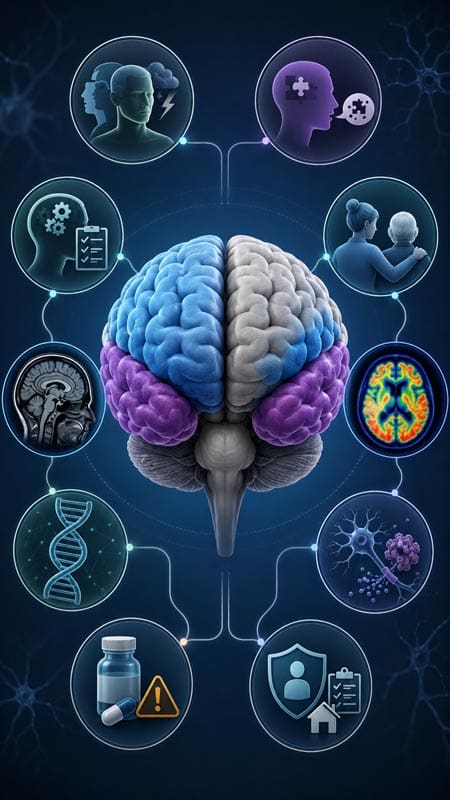
As public awareness of frontotemporal dementia continues to grow, the clinical response must emphasize precision rather than oversimplification. The post awareness era presents an opportunity to improve outcomes through earlier recognition of symptoms, accurate phenotypic classification, judicious use of neuroimaging and biomarkers, comprehensive genetic counseling, and individualized symptom management. Equally important is the provision of practical support for caregivers, who frequently shoulder substantial emotional, financial, and physical burdens throughout the course of the disease. By combining diagnostic rigor with compassionate multidisciplinary care, clinicians can better address the complex needs of patients living with frontotemporal dementia and their families while advancing the field toward more targeted and effective future therapies.
Introduction
Frontotemporal dementia (FTD) is one of the most common causes of young onset dementia and represents a major clinical challenge in neurology, psychiatry, and primary care. Although less prevalent than Alzheimer disease, its impact is often disproportionately severe because it affects individuals during their most productive years, frequently between the ages of 45 and 65. The disease not only compromises cognitive function but also disrupts employment, financial stability, interpersonal relationships, and caregiver well-being. The consequences often extend beyond the patient, creating significant emotional, social, and economic burdens for families and healthcare systems.
FTD encompasses a heterogeneous group of neurodegenerative disorders characterized by progressive degeneration of the frontal and temporal lobes. These brain regions are critical for executive functioning, social cognition, emotional regulation, language, and behavior. As a result, the earliest manifestations of FTD differ markedly from those typically associated with Alzheimer disease. While memory impairment is often the hallmark of Alzheimer disease, patients with FTD frequently present with subtle but progressive changes in personality, behavior, judgment, communication, and social functioning. Episodic memory may remain relatively intact during the early stages, contributing to diagnostic uncertainty and delayed recognition.
The clinical spectrum of FTD includes several distinct syndromes. Behavioral variant frontotemporal dementia, the most common presentation, is characterized by progressive changes in personality and social conduct. Patients may exhibit disinhibition, impulsivity, socially inappropriate behavior, loss of empathy, emotional blunting, apathy, compulsive or repetitive behaviors, and altered eating patterns. These symptoms often lead to significant interpersonal conflict and may be mistaken for psychiatric illness or intentional behavioral changes. Family members frequently report that the individual has become “a different person,” reflecting the profound effects of frontal lobe dysfunction on personality and behavior.
Language predominant forms of FTD, collectively known as primary progressive aphasia, present with gradual deterioration of language abilities. Patients may experience increasing difficulty finding words, constructing sentences, understanding speech, or naming familiar objects. Depending on the underlying subtype, speech may become hesitant and effortful, or language comprehension may progressively decline. These deficits can significantly impair communication long before memory or other cognitive domains become noticeably affected.
One of the greatest challenges in FTD diagnosis is its frequent overlap with psychiatric and behavioral disorders. Early symptoms are often misattributed to depression, anxiety, bipolar disorder, personality disorders, burnout, marital difficulties, substance use, or stress related conditions. Younger patients are particularly vulnerable to misdiagnosis because dementia is often not initially considered in middle aged individuals presenting with behavioral or emotional changes. Consequently, many patients experience prolonged diagnostic journeys, inappropriate treatments, and delayed access to supportive services.
Public awareness of FTD has increased substantially following the widely publicized diagnosis of aphasia and frontotemporal dementia in actor Bruce Willis. Increased awareness has provided valuable opportunities for education regarding young onset dementia and neurodegenerative language disorders. It has also encouraged individuals experiencing concerning symptoms to seek medical evaluation. However, heightened public attention can produce unintended consequences. Some individuals may interpret common age related word finding difficulties or occasional forgetfulness as evidence of a neurodegenerative disease, leading to unnecessary anxiety and healthcare utilization. At the same time, patients with genuine progressive behavioral or language syndromes may still be overlooked if clinicians focus primarily on more familiar psychiatric or cognitive diagnoses.
The appropriate clinical response requires a balanced, evidence based approach. Neurologists and other healthcare professionals should neither dismiss patient concerns nor overdiagnose FTD in individuals with nonspecific symptoms. The primary objective is to identify progressive neurodegenerative syndromes through careful history taking, comprehensive neurological examination, cognitive assessment, and longitudinal observation. Establishing whether symptoms demonstrate a clear pattern of progression is often one of the most important diagnostic considerations.
Differentiating FTD from Alzheimer disease remains a critical aspect of evaluation. Although overlap exists, FTD generally presents with earlier behavioral, executive, or language dysfunction, whereas Alzheimer disease typically begins with episodic memory impairment. Neuropsychological testing can help identify distinct cognitive profiles that support diagnostic differentiation. Structural neuroimaging may reveal focal atrophy involving frontal and temporal regions, while functional imaging can demonstrate characteristic patterns of hypometabolism or hypoperfusion. Advances in biomarker research have further enhanced diagnostic accuracy by helping clinicians distinguish FTD from Alzheimer related pathology and other neurodegenerative conditions.
The expanding role of biomarkers has introduced new opportunities and challenges. Cerebrospinal fluid analysis, molecular imaging, genetic testing, and emerging blood based biomarkers are increasingly being incorporated into diagnostic pathways. However, these tools are most valuable when used to answer specific clinical questions rather than as broad screening tests. Appropriate patient selection, careful interpretation, and integration with clinical findings remain essential to avoid misclassification and unnecessary investigations.
Beyond diagnosis, early recognition of FTD is vital because it enables timely planning and support for patients and caregivers. Although no disease modifying therapies are currently available, interventions focused on symptom management, behavioral strategies, speech and language therapy, occupational therapy, and caregiver education can remarkably improve quality of life. Early diagnosis also facilitates discussions regarding financial planning, legal decision making, driving safety, workplace accommodations, and long term care needs before cognitive and behavioral impairments become severe.
Family support is particularly important because caregivers often experience substantial psychological distress, social isolation, and financial strain. Behavioral symptoms such as disinhibition, aggression, compulsivity, and loss of empathy can place unique burdens on families that differ from those commonly encountered in Alzheimer disease. Multidisciplinary care models involving neurologists, psychiatrists, neuropsychologists, speech language pathologists, social workers, and caregiver support services are therefore essential components of comprehensive management.
As understanding of frontotemporal dementia continues to evolve, clinicians must remain vigilant in recognizing its diverse presentations and distinguishing it from psychiatric disorders and other forms of dementia. The increasing availability of biomarkers and advanced diagnostic tools offers opportunities for earlier and more accurate diagnosis, but clinical judgment remains paramount. Ultimately, the goal is not merely to identify the disease but to provide timely intervention, comprehensive support, and proactive care that addresses the complex needs of both patients and their families before safety concerns and functional crises emerge.
Clinical Spectrum, Genetics, Diagnosis, and Management of Frontotemporal Dementia
Frontotemporal dementia (FTD) is a heterogeneous group of neurodegenerative disorders characterized by progressive degeneration of the frontal and temporal lobes. Unlike many other dementias that primarily affect memory during the early stages, FTD most commonly presents with changes in behavior, personality, language, or executive function. Given its clinical, pathological, and genetic diversity, FTD should be approached as a syndrome-level diagnosis rather than a single disease entity. Accurate diagnosis requires careful phenotypic characterization and, whenever possible, biological clarification through biomarkers, neuroimaging, and genetic testing.
Clinical Spectrum
The clinical manifestations of FTD encompass several syndromes, each reflecting the selective vulnerability of distinct neural networks. The two major clinical presentations are behavioral variant frontotemporal dementia (bvFTD) and primary progressive aphasia (PPA), although overlap with movement disorders and motor neuron disease is increasingly recognized.
Behavioral Variant Frontotemporal Dementia
Behavioral variant FTD is the most common form of FTD and is characterized by progressive deterioration in personality, social conduct, and executive functioning. Early symptoms frequently involve subtle but profound changes in behavior that are often mistaken for psychiatric illness or personality changes.
Core clinical features include behavioral disinhibition, manifested by socially inappropriate comments, impulsive decision making, violation of social norms, or diminished judgment. Many patients develop gross apathy or inertia, characterized by reduced initiative, loss of motivation, and emotional disengagement from previously valued activities. Loss of empathy is particularly characteristic and may manifest as diminished concern for family members, reduced emotional responsiveness, or an inability to appreciate the feelings of others.
Patients commonly exhibit repetitive, ritualistic, or compulsive behaviors. These may include rigid routines, repetitive checking, hoarding, stereotyped movements, or obsessive interests. Dietary and eating changes are also common, including increased preference for sweets and carbohydrates, binge eating, hyperphagia, altered food preferences, and oral exploratory behaviors. Executive dysfunction typically emerges early and affects planning, judgment, problem solving, organization, and cognitive flexibility. In contrast, episodic memory and visuospatial abilities are often relatively preserved during the initial stages of disease, helping distinguish bvFTD from typical Alzheimer disease.
Primary Progressive Aphasia
Primary progressive aphasia represents a group of neurodegenerative syndromes in which progressive language impairment is the predominant presenting symptom. Unlike stroke-related aphasia, language deficits evolve gradually over years and occur in the absence of major behavioral or memory disturbances early in the disease course.
Semantic Variant Primary Progressive Aphasia
Semantic variant PPA is characterized by progressive loss of semantic knowledge, resulting in impaired understanding of words, objects, faces, and concepts. Speech remains fluent and grammatically intact, but content becomes increasingly empty due to declining vocabulary and word comprehension. Patients may substitute general terms for specific objects and demonstrate profound difficulty naming familiar items.
Nonfluent or Agrammatic Primary Progressive Aphasia
Nonfluent or agrammatic PPA presents with effortful, halting speech and impaired grammatical construction. Speech production becomes increasingly laborious and may be accompanied by apraxia of speech, resulting in distorted articulation and inconsistent speech errors. Sentences become simplified and grammatically incomplete, while comprehension of complex syntax may also decline.
Logopenic Primary Progressive Aphasia
The logopenic variant requires special consideration because it frequently reflects underlying Alzheimer pathology rather than frontotemporal lobar degeneration. Patients exhibit impaired word retrieval, frequent pauses during speech, and difficulty repeating phrases or sentences. Because of its strong association with Alzheimer disease, amyloid and tau biomarkers may provide important diagnostic clarification and influence treatment considerations.
Overlap Syndromes
FTD exists on a spectrum that frequently overlaps with other neurodegenerative disorders. Some patients develop features of motor neuron disease, progressive supranuclear palsy, corticobasal syndrome, or parkinsonism. Recognition of these overlap syndromes is essential because they influence prognosis, management, and counseling.
FTD associated with motor neuron disease carries a particularly aggressive clinical course and generally confers a poorer prognosis. Clinicians should routinely assess for dysphagia, respiratory symptoms, muscle weakness, fasciculations, pseudobulbar affect, and signs of upper or lower motor neuron dysfunction. Early advance care planning and comprehensive caregiver support become especially important in these patients.
Pathology and Genetics
The pathological basis of FTD is highly diverse. The three major pathological subtypes are frontotemporal lobar degeneration with tau pathology (FTLD-tau), frontotemporal lobar degeneration with TAR DNA-binding protein 43 pathology (FTLD-TDP), and frontotemporal lobar degeneration with fused in sarcoma pathology (FTLD-FUS).
Although certain clinical syndromes may suggest underlying pathology, phenotype alone cannot reliably predict pathological subtype in individual patients. Semantic variant PPA is frequently associated with TDP-43 pathology, while nonfluent PPA is often linked to tau pathology. However, substantial overlap exists, and exceptions are common.
Genetic factors play a significant role in FTD, particularly among individuals with early onset disease or a positive family history. The three most important genes associated with familial FTD are C9orf72, GRN, and MAPT.
Expansions in the C9orf72 gene represent the most common genetic cause of familial FTD and amyotrophic lateral sclerosis. These expansions may result in isolated FTD, isolated ALS, or combined FTD-ALS syndromes and can be associated with prominent psychiatric symptoms.
Mutations in the GRN gene lead to progranulin deficiency and are most commonly associated with TDP-43 pathology. Clinical presentations may vary considerably, even among affected members of the same family.
Mutations in MAPT directly affect tau protein biology and are associated with tau pathology. Patients with MAPT mutations often develop behavioral and cognitive symptoms at relatively young ages.
Because genetic findings have notable implications for family members, reproductive decisions, psychological well-being, research participation, and future access to targeted therapies, genetic counseling should be offered to all patients diagnosed with an FTD spectrum disorder. Importantly, a negative family history does not exclude a genetic etiology. Genetic testing should ideally occur within a specialized neurogenetics framework, and predictive testing of asymptomatic relatives should follow formal counseling protocols.
Diagnostic Approach
Accurate diagnosis begins with a thorough clinical history, with particular emphasis on collateral information obtained from informants. Patients with bvFTD often lack insight into their symptoms, making reports from spouses, adult children, coworkers, employers, or caregivers essential.
Clinicians should specifically inquire about changes in financial judgment, inappropriate social behavior, diminished empathy, sexual disinhibition, compulsive habits, alterations in eating behavior, binge eating, apathy, neglect of personal hygiene, workplace difficulties, unsafe driving, and violations of interpersonal boundaries.
Neuropsychological Assessment
Comprehensive neuropsychological testing plays a central role in diagnosis. Evaluation should assess executive function, language, social cognition, memory, visuospatial skills, attention, processing speed, and psychiatric influences on cognition.
Brief cognitive screening instruments may fail to detect early bvFTD because orientation and simple memory tasks often remain intact while social judgment, executive functioning, and behavioral regulation deteriorate. Specialized testing of social cognition and executive abilities may therefore provide critical diagnostic information.
Neuroimaging
Structural neuroimaging with magnetic resonance imaging is an essential component of evaluation. Typical findings include atrophy involving the frontal lobes, anterior temporal regions, insula, and other cortical areas. Patterns may be symmetric or asymmetric depending on the underlying syndrome.
Functional imaging with fluorodeoxyglucose positron emission tomography may be particularly valuable when MRI findings are subtle or inconclusive. FDG-PET can demonstrate characteristic patterns of frontal and temporal hypometabolism and may help differentiate FTD from Alzheimer disease and primary psychiatric disorders.
When Alzheimer disease remains a diagnostic consideration, particularly in patients with logopenic PPA or atypical early onset dementia, amyloid PET imaging, cerebrospinal fluid biomarkers, or validated plasma Alzheimer biomarkers may provide important clarification.
Biomarkers
Biomarkers are increasingly incorporated into the diagnostic evaluation of neurodegenerative disease. Neurofilament light chain serves as a marker of neuronal injury and may support the presence of active neurodegeneration. Although elevated levels can help distinguish neurodegenerative disease from some psychiatric conditions, the marker lacks specificity for FTD.
Plasma phosphorylated tau biomarkers, particularly p-tau217, are more useful for identifying or excluding Alzheimer pathology than for confirming FTD. Similarly, current tau PET imaging techniques are most effective for detecting Alzheimer-type tau pathology and remain less reliable for many forms of FTLD-tau.

Differential Diagnosis
The differential diagnosis of FTD is broad and requires careful consideration of neurodegenerative, psychiatric, metabolic, infectious, autoimmune, and structural conditions.
Behavioral variant FTD is frequently mistaken for psychiatric disease because of its prominent behavioral manifestations. Features that should raise suspicion for bvFTD include late onset psychiatric symptoms, progressive functional decline, loss of empathy, impaired social cognition, compulsive behaviors, poor insight, and characteristic neuroimaging abnormalities.
Nevertheless, clinicians should avoid prematurely attributing symptoms to neurodegeneration. Depression, bipolar disorder, substance use disorders, traumatic brain injury, sleep disorders, autism spectrum traits, medication effects, and functional neurological conditions may produce overlapping features.
Alzheimer disease remains a major differential diagnosis. While typical Alzheimer disease begins with episodic memory impairment, FTD more often presents with behavioral or language dysfunction. However, atypical Alzheimer variants can mimic FTD through language, executive, behavioral, or visuospatial presentations. Biomarker confirmation is becoming increasingly important as disease-specific therapies emerge.
Additional conditions that should be considered include Lewy body disease, Huntington disease, vascular cognitive impairment, normal pressure hydrocephalus, autoimmune encephalitis, neurosyphilis, HIV-associated neurocognitive disorder, vitamin B12 deficiency, thyroid dysfunction, obstructive sleep apnea, and medication toxicity. A comprehensive evaluation should always exclude potentially reversible or treatable contributors before establishing a diagnosis of FTD.
Management Principles
Management of FTD requires a multidisciplinary approach focused on symptom management, safety, caregiver support, and preservation of quality of life. Because no disease-modifying therapies are currently approved for most forms of FTD, treatment is largely supportive and individualized.
Education is a critical first step. Families must understand that many behaviors arise from neurodegenerative processes rather than intentional misconduct. At the same time, practical strategies are necessary to reduce harm and maintain safety.
Early discussions should address driving safety, firearm access, medication management, financial oversight, online spending, employment concerns, sexual disinhibition, wandering risk, choking hazards, substance use, and caregiver burden.
Nonpharmacologic Interventions
Nonpharmacologic approaches represent the foundation of symptom management. Structured daily routines, environmental modifications, reduction of behavioral triggers, simplified decision making, supervision of finances and medications, and caregiver coaching can merkedly improve daily functioning.
Occupational therapy may assist with adaptive strategies and maintenance of independence. Speech-language therapy is essential for patients with language impairment, while social work services can help families navigate legal, financial, and caregiving challenges.
Palliative Care
Palliative care should be integrated early in the disease course rather than reserved for advanced stages. Early involvement can facilitate discussions regarding goals of care, feeding decisions, advance directives, behavioral crises, symptom management, and caregiver support. This proactive approach often improves quality of life for both patients and families.
Speech-Language Therapy
Speech-language therapy plays a particularly important role in primary progressive aphasia. Interventions should focus on maximizing communication and maintaining social participation for as long as possible. Strategies may include communication partner training, scripted conversations, communication notebooks, augmentative and alternative communication devices, and compensatory techniques tailored to the patient’s language deficits. Swallowing function should also be monitored when clinically indicated, particularly in patients with progressive motor involvement.
As advances in biomarker science, genetics, and targeted therapeutics continue to evolve, the diagnosis and management of FTD are becoming increasingly precise. A comprehensive, patient-centered approach that integrates clinical phenotyping, biological characterization, multidisciplinary care, and proactive family support remains essential for optimizing outcomes across the frontotemporal dementia spectrum.
Medication Use and Safety
No medication has been proven to modify the course of FTD. Pharmacotherapy should target specific symptoms, use measurable goals, and be reassessed regularly.
SSRIs may be considered for disinhibition, compulsive behavior, irritability, anxiety, depressive symptoms, hyperorality, or repetitive behaviors. Options commonly used in practice include sertraline, citalopram, escitalopram, fluvoxamine, fluoxetine, and paroxetine, although comparative evidence is limited. Clinicians should monitor for hyponatremia, falls, bleeding risk when combined with antiplatelets or anticoagulants, QT prolongation with susceptible agents, sexual dysfunction, gastrointestinal effects, drug interactions, and serotonin syndrome when combined with other serotonergic drugs.
Trazodone may help sleep disruption, agitation, irritability, or eating-related behavioral symptoms in some patients. It should be used cautiously in patients at risk for orthostatic hypotension, sedation, falls, QT prolongation, priapism, and polypharmacy-related adverse effects.
Antipsychotics should be reserved for severe agitation, psychosis, aggression, dangerous impulsivity, or distressing symptoms that have not responded to safer approaches. They should be prescribed at the lowest effective dose for the shortest feasible duration, with documentation of the target symptom and monitoring for sedation, falls, parkinsonism, akathisia, tardive dyskinesia, metabolic effects, QT prolongation, stroke risk, neuroleptic malignant syndrome, and increased mortality in dementia-related psychosis. Quetiapine is sometimes selected when parkinsonism is present, but evidence remains limited and use is off-label.
Cholinesterase inhibitors should not be used routinely for true FTD. They may worsen disinhibition, agitation, or compulsive behavior in some patients. Memantine is also not supported for routine FTD treatment. These drugs may be reasonable only when Alzheimer pathology is suspected or confirmed, or when the clinical syndrome is mixed.
Benzodiazepines and anticholinergic drugs should generally be avoided when possible. Benzodiazepines may worsen sedation, falls, disinhibition, confusion, and respiratory risk. Anticholinergic drugs can worsen cognition, urinary retention, constipation, dry mouth, blurred vision, and delirium risk.
Anti-amyloid monoclonal antibodies approved for early Alzheimer disease are not FTD therapies. They require Alzheimer disease biology, appropriate disease stage, MRI screening and monitoring, and careful review of amyloid-related imaging abnormality risk. A patient with an FTD-like syndrome should not be referred for these drugs unless Alzheimer pathology is demonstrated and the patient otherwise meets Alzheimer-specific treatment criteria.
Table 1. Practical Diagnostic Review for Suspected FTD
| Clinical issue | What to revisit | Practical implication |
| bvFTD vs psychiatric disease | Do not rely only on patient report or brief cognitive screening | Obtain informant history, neuropsychology, MRI, and consider FDG-PET or biomarkers when unclear |
| PPA variant | Logopenic PPA often suggests Alzheimer pathology | Consider amyloid/tau biomarkers before labeling as FTLD |
| Genetic testing | Family history may be absent despite genetic disease | Offer genetic counseling and testing to diagnosed FTD patients |
| NfL | Marker of neurodegeneration, not FTD-specific | Useful for progression or neurodegenerative vs psychiatric distinction, but not diagnostic alone |
| Plasma p-tau217 and amyloid biomarkers | Best for Alzheimer pathology | Helpful when distinguishing AD from FTD or determining Alzheimer therapy eligibility |
| MRI and FDG-PET | Pattern recognition matters | Look for frontal, anterior temporal, insular, asymmetric, or AD-like patterns |
| Motor features | May indicate FTD-MND, PSP, CBS, or mixed disease | Screen for dysphagia, respiratory symptoms, falls, gaze palsy, rigidity, apraxia, and weakness |
| Caregiver burden | Often the dominant clinical problem | Address safety, finances, driving, legal planning, respite, and palliative care early |
Table 2. Medication Safety Review in FTD
| Drug class | Possible role | Key cautions |
| SSRIs | Disinhibition, compulsions, irritability, anxiety, hyperorality, repetitive behaviors | Hyponatremia, falls, GI effects, bleeding risk, QT risk with selected agents, sexual dysfunction, serotonin syndrome |
| Trazodone | Sleep disruption, agitation, irritability, eating-related symptoms | Sedation, orthostasis, falls, QT risk, priapism |
| Atypical antipsychotics | Severe aggression, psychosis, dangerous behavior after safer measures fail | Increased mortality warning in dementia-related psychosis, stroke risk, EPS, sedation, falls, metabolic effects, QT prolongation |
| Cholinesterase inhibitors | Generally avoid in true FTD | Limited efficacy, possible behavioral worsening; consider only if AD pathology or mixed disease is suspected |
| Memantine | Generally avoid routine use | Randomized trial evidence does not support routine benefit in FTLD |
| Benzodiazepines | Rare short-term rescue use only | Sedation, falls, paradoxical disinhibition, confusion, respiratory risk |
| Anticholinergics | Avoid when possible | Cognitive worsening, constipation, urinary retention, blurred vision, delirium |
| Anti-amyloid monoclonal antibodies | Not FTD therapy | Only for eligible Alzheimer disease with confirmed amyloid pathology and required MRI safety monitoring |
The “Bruce Willis Effect” in Practice
The Bruce Willis announcement made FTD more visible, but awareness alone is not a diagnostic tool. A public figure can reduce stigma and help families recognize symptoms, but media attention can also oversimplify the disease. Aphasia is not synonymous with FTD. FTD is not a single disorder. There is no simple blood test that confirms most cases. There is no approved disease-modifying treatment.
Clinicians should respond to increased awareness by improving triage. A patient with isolated age-consistent word-finding difficulty does not need an FTD label. A patient with progressive language impairment, loss of social judgment, new disinhibition, unexplained apathy, compulsive behavior, late-onset psychiatric symptoms, or loss of empathy deserves a structured neurodegenerative evaluation.
FTD care in 2026 should be more precise than it was a decade ago. The core diagnostic syndromes are well characterized, genetic testing is increasingly relevant, Alzheimer biomarkers can prevent misclassification, and neurofilament light chain may help identify active neurodegeneration. Yet the therapeutic reality remains sobering. Most treatment is symptomatic, supportive, and caregiver-centered.
The most important clinical response to the post-awareness era is not to overdiagnose FTD or overpromise emerging therapies. It is to recognize the syndrome earlier, phenotype it accurately, use biomarkers for the right question, offer genetic counseling, avoid inappropriate Alzheimer-directed drugs in true FTD, prescribe psychotropics cautiously, and support families before safety and caregiving crises dominate the clinical course.
References
Ashton, N.J., Janelidze, S., Al Khleifat, A. et al. A multicentre validation study of the diagnostic value of plasma neurofilament light. Nat Commun 12, 3400 (2021). https://doi.org/10.1038/s41467-021-23620-z.
Baker, M., Mackenzie, I. R., Pickering-Brown, S. M., Gass, J., Rademakers, R., Lindholm, C., et al. (2006). Mutations in progranulin cause tau-negative frontotemporal dementia linked to chromosome 17. Nature, 442(7105), 916-919.
Boxer AL, Knopman DS, Kaufer DI, Grossman M, Onyike C, Graf-Radford N, Mendez M, Kerwin D, Lerner A, Wu CK, Koestler M, Shapira J, Sullivan K, Klepac K, Lipowski K, Ullah J, Fields S, Kramer JH, Merrilees J, Neuhaus J, Mesulam MM, Miller BL. Memantine in patients with frontotemporal lobar degeneration: a multicentre, randomised, double-blind, placebo-controlled trial. Lancet Neurol. 2013 Feb;12(2):149-56. doi: 10.1016/S1474-4422(12)70320-4.
Burrell, J. R., Halliday, G. M., Kril, J. J., Ittner, L. M., Götz, J., Kiernan, M. C., & Hodges, J. R. (2016). The frontotemporal dementia-motor neuron disease continuum. The Lancet, 388(10047), 919-931.
Coyle-Gilchrist, I. T. S., Dick, K. M., Patterson, K., Vázquez Rodríguez, P., Wehmann, E., Wilcox, A., et al. (2016). Prevalence, characteristics, and survival of frontotemporal lobar degeneration syndromes. Neurology, 86(18), 1736-1743.
Gorno-Tempini, M. L., Hillis, A. E., Weintraub, S., Kertesz, A., Mendez, M., Cappa, S. F., et al. (2011). Classification of primary progressive aphasia and its variants. Neurology, 76(11), 1006-1014.
Höglinger, G. U., Respondek, G., Stamelou, M., Kurz, C., Josephs, K. A., Lang, A. E., et al. (2017). Clinical diagnosis of progressive supranuclear palsy: The Movement Disorder Society criteria. Movement Disorders, 32(6), 853-864.
Huey, E. D., Putnam, K. T., & Grafman, J. (2006). A systematic review of neurotransmitter deficits and treatments in frontotemporal dementia. Neurology, 66(1), 17-22.
Lebert F, Stekke W, Hasenbroekx C, Pasquier F. Frontotemporal dementia: a randomised, controlled trial with trazodone. Dement Geriatr Cogn Disord. 2004;17(4):355-9. doi: 10.1159/000077171. PMID: 15178953.
Mackenzie, I. R. A., Neumann, M., Bigio, E. H., Cairns, N. J., Alafuzoff, I., Kril, J., et al. (2010). Nomenclature and nosology for neuropathologic subtypes of frontotemporal lobar degeneration: An update. Acta Neuropathologica, 119(1), 1-4.
Majounie, E., Renton, A. E., Mok, K., Dopper, E. G. P., Waite, A., Rollinson, S., et al. (2012). Frequency of the C9orf72 hexanucleotide repeat expansion in patients with ALS and FTD. The Lancet Neurology, 11(4), 323-330.
Rascovsky, K., Hodges, J. R., Knopman, D., Mendez, M. F., Kramer, J. H., Neuhaus, J., et al. (2011). Sensitivity of revised diagnostic criteria for the behavioural variant of frontotemporal dementia. Brain, 134(9), 2456-2477.
Rohrer, J. D., Guerreiro, R., Vandrovcova, J., Uphill, J., Reiman, D., Beck, J., et al. (2009). The heritability and genetics of frontotemporal lobar degeneration. Neurology, 73(18), 1451-1456.
Rohrer, J. D., Woollacott, I. O. C., Dick, K. M., Brotherhood, E., Gordon, E., Fellows, A., et al. (2016). Serum neurofilament light chain protein is a measure of disease intensity in frontotemporal dementia. Neurology, 87(13), 1329-1336.
Tsai RM, Boxer AL. Treatment of frontotemporal dementia. Curr Treat Options Neurol. 2014 Nov;16(11):319. doi: 10.1007/s11940-014-0319-0. PMID: 25238733; PMCID: PMC4920050.
U.S. Food and Drug Administration/DailyMed. Current prescribing information for quetiapine, risperidone, trazodone, sertraline, lecanemab, and donanemab.
Willis family statement. (2023, February 16). Statement on Bruce Willis’s frontotemporal dementia diagnosis.
Woolley, J. D., Khan, B. K., Murthy, N. K., Miller, B. L., & Rankin, K. P. (2011). The diagnostic challenge of psychiatric symptoms in neurodegenerative disease. Journal of Clinical Psychiatry, 72(2), 126-133.
Recent Articles


Integrative Perspectives on Cognition, Emotion, and Digital Behavior

Sleep-related:
Longevity/Nutrition & Diet:
Philosophical / Happiness / Social:
Other:
Modern Mind Unveiled
Developed under the direction of David McAuley, Pharm.D., this collection explores what it means to think, feel, and connect in the modern world. Drawing upon decades of clinical experience and digital innovation, Dr. McAuley and the GlobalRPh initiative translate complex scientific ideas into clear, usable insights for clinicians, educators, and students.
The series investigates essential themes–cognitive bias, emotional regulation, digital attention, and meaning-making—revealing how the modern mind adapts to information overload, uncertainty, and constant stimulation.
At its core, the project reflects GlobalRPh’s commitment to advancing evidence-based medical education and clinical decision support. Yet it also moves beyond pharmacotherapy, examining the psychological and behavioral dimensions that shape how healthcare professionals think, learn, and lead.
Through a synthesis of empirical research and philosophical reflection, Modern Mind Unveiled deepens our understanding of both the strengths and vulnerabilities of the human mind. It invites readers to see medicine not merely as a science of intervention, but as a discipline of perception, empathy, and awareness–an approach essential for thoughtful practice in the 21st century.
The Six Core Themes
I. Human Behavior and Cognitive Patterns
Examining the often-unconscious mechanisms that guide human choice-how we navigate uncertainty, balance logic with intuition, and adapt through seemingly irrational behavior.
II. Emotion, Relationships, and Social Dynamics
Investigating the structure of empathy, the psychology of belonging, and the influence of abundance and selectivity on modern social connection.
III. Technology, Media, and the Digital Mind
Analyzing how digital environments reshape cognition, attention, and identity- exploring ideas such as gamification, information overload, and cognitive “nutrition” in online spaces.
IV. Cognitive Bias, Memory, and Decision Architecture
Exploring how memory, prediction, and self-awareness interact in decision-making, and how external systems increasingly serve as extensions of thought.
V. Habits, Health, and Psychological Resilience
Understanding how habits sustain or erode well-being-considering anhedonia, creative rest, and the restoration of mental balance in demanding professional and personal contexts.
VI. Philosophy, Meaning, and the Self
Reflecting on continuity of identity, the pursuit of coherence, and the construction of meaning amid existential and informational noise.
Keywords
Cognitive Science • Behavioral Psychology • Digital Media • Emotional Regulation • Attention • Decision-Making • Empathy • Memory • Bias • Mental Health • Technology and Identity • Human Behavior • Meaning-Making • Social Connection • Modern Mind
Video Section