
The Tirzepatide Revolution: Is Dual Agonism the End of Single-Pathway Therapy?
Abstract
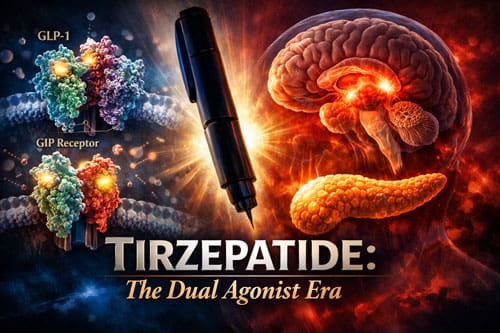
The development of tirzepatide, a first in class dual glucose dependent insulinotropic polypeptide and glucagon like peptide 1 receptor agonist, represents a potentially transformative advance in the management of type 2 diabetes and obesity. By simultaneously targeting two complementary incretin pathways, tirzepatide introduces a novel therapeutic strategy that moves beyond the limitations of traditional single pathway treatments. This analysis evaluates the clinical evidence supporting tirzepatide, explores the mechanistic advantages of dual agonism, and considers the practical implications of its integration into routine metabolic disease care.
Evidence from pivotal clinical trials has demonstrated the robust efficacy of tirzepatide across a range of metabolic outcomes. The SURPASS program, which evaluated tirzepatide in patients with type 2 diabetes across diverse treatment settings, consistently showed superior reductions in glycated hemoglobin compared with established therapies, including basal insulin and selective GLP 1 receptor agonists. In parallel, the SURMOUNT trials, which focused on individuals with obesity with or without diabetes, revealed substantial and sustained weight loss that exceeded outcomes typically achieved with existing pharmacologic options. These findings position tirzepatide as one of the most effective agents currently available for both glycemic control and weight reduction.
The enhanced clinical performance of tirzepatide is underpinned by its unique mechanism of action. Activation of the GLP 1 receptor improves insulin secretion, suppresses glucagon release, slows gastric emptying, and promotes satiety. Concurrent activation of the GIP receptor appears to augment insulinotropic effects and may improve adipose tissue metabolism while attenuating some of the gastrointestinal adverse effects commonly associated with GLP 1 receptor agonists. The synergistic engagement of these pathways results in broader metabolic benefits than those achieved through single receptor targeting alone, offering a more physiologic and integrated approach to metabolic regulation.
Despite these advantages, several challenges must be considered when evaluating tirzepatide as a cornerstone therapy. High cost and limited accessibility may restrict widespread adoption, particularly in resource constrained healthcare systems. In addition, while short and medium term safety profiles from clinical trials are reassuring, long term cardiovascular, pancreatic, and endocrine safety data are still evolving. Real world evidence will be critical in determining durability of effect, adherence, and tolerability across diverse patient populations.
Taken together, the available evidence suggests that dual incretin agonism may indeed signal the beginning of a new era in the treatment of metabolic disease. However, single pathway therapies, including selective GLP 1 receptor agonists and other antidiabetic agents, are likely to remain integral components of personalized treatment strategies based on patient characteristics, comorbidities, and access considerations. Future research is expected to expand on this paradigm through the development of triple agonists targeting additional metabolic pathways, exploration of oral and long acting formulations, and refinement of patient selection criteria to maximize clinical benefit while minimizing risk.
In conclusion, tirzepatide exemplifies how advances in pharmacologic design can translate into meaningful improvements in metabolic outcomes. Its emergence challenges existing treatment algorithms and underscores the importance of mechanism based innovation in addressing the growing global burden of diabetes and obesity.
Introduction
The therapeutic landscape for type 2 diabetes mellitus and obesity has undergone substantial transformation over the past two decades. Early pharmacologic strategies primarily targeted isolated components of metabolic dysregulation, such as enhancing insulin secretion, reducing hepatic glucose output, slowing intestinal glucose absorption, or suppressing appetite. While these single pathway interventions improved glycemic control and, in some cases, body weight, their overall impact was often limited by modest efficacy, compensatory physiological responses, and variable durability of effect.
The introduction of incretin based therapies, particularly glucagon like peptide 1 receptor agonists, represented a major advance in the management of metabolic disease. GLP 1 receptor agonists addressed multiple aspects of glucose homeostasis by enhancing glucose dependent insulin secretion, suppressing glucagon release, delaying gastric emptying, and promoting satiety. These agents demonstrated superior glycemic efficacy compared with many earlier therapies and offered clinically meaningful weight reduction, establishing a new standard of care for patients with type 2 diabetes and obesity.
The recent approval of tirzepatide, the first dual glucose dependent insulinotropic polypeptide and GLP 1 receptor agonist, challenges the long held assumption that targeting a single hormonal pathway is sufficient for optimal metabolic control. By simultaneously activating both GIP and GLP 1 receptors, tirzepatide engages complementary and potentially synergistic mechanisms involved in energy balance and glucose regulation. This dual agonist approach reflects an evolving understanding of metabolic disease as a complex, multisystem disorder rather than a condition driven by isolated defects.
Clinical trial data have demonstrated that tirzepatide achieves unprecedented improvements in both glycemic control and weight reduction. Across multiple phase III trials, tirzepatide has consistently produced greater reductions in glycated hemoglobin and body weight compared with established GLP 1 receptor agonists and other standard therapies. A substantial proportion of patients treated with tirzepatide achieve near normoglycemia and weight loss approaching thresholds previously associated with bariatric surgery. These outcomes raise important questions about the future direction of metabolic therapeutics and whether dual incretin agonism represents a superior and more physiologically aligned strategy for long term disease management.
This analysis examines the evidence supporting dual agonism through the clinical development of tirzepatide, focusing on its efficacy, safety profile, and mechanistic rationale. It explores how GIP receptor activation may enhance insulin sensitivity, modulate adipose tissue function, and potentiate the effects of GLP 1 signaling. The discussion also considers practical considerations that may influence real world implementation, including tolerability, patient selection, cost, and long term adherence.
In summary, tirzepatide represents a significant conceptual and therapeutic shift in the treatment of type 2 diabetes and obesity. While its clinical performance suggests that dual incretin agonism may redefine treatment expectations, careful integration into clinical practice will require continued evaluation of long term outcomes, comparative effectiveness, and health system implications.
Understanding Dual Agonism: The Tirzepatide Mechanism
GIP and GLP-1 Receptor Biology
Glucose-dependent insulinotropic polypeptide and glucagon-like peptide-1 represent two key incretin hormones that regulate postprandial glucose homeostasis. Both hormones are released from intestinal enteroendocrine cells in response to nutrient intake, but their mechanisms of action differ in important ways.
GLP-1 receptors are widely distributed throughout the body, with high expression in pancreatic beta cells, the central nervous system, and gastrointestinal tract. GLP-1 receptor activation stimulates insulin secretion in a glucose-dependent manner, suppresses glucagon release, slows gastric emptying, and promotes satiety through central mechanisms. These effects collectively improve glycemic control while reducing body weight.
GIP receptors show a different distribution pattern, with expression in pancreatic beta and alpha cells, adipose tissue, bone, and brain regions. GIP receptor activation enhances insulin secretion and suppresses glucagon in a glucose-dependent manner similar to GLP-1. However, GIP also influences lipid metabolism and energy storage, particularly in adipose tissue, where it can promote fat storage under certain conditions.
The Rationale for Dual Targeting
The concept of dual GIP/GLP-1 receptor agonism emerged from observations that patients with type 2 diabetes often exhibit reduced GIP sensitivity, while GLP-1 responses may remain relatively preserved. This suggests that targeting both pathways simultaneously could restore the full spectrum of incretin effects while potentially providing additive or synergistic benefits.
Preclinical studies demonstrated that dual agonism could achieve greater glucose-lowering effects than either pathway alone. Additionally, the combination appeared to optimize the balance between GIP’s lipogenic effects and GLP-1’s weight-reducing properties, resulting in net weight loss despite GIP’s role in fat storage.
Tirzepatide was designed as a single molecule capable of activating both receptors, with preferential affinity for GIP receptors and moderate affinity for GLP-1 receptors. This design aimed to capture the benefits of both pathways while minimizing the potential drawbacks of GIP activation alone.

Clinical Evidence: The SURPASS and SURMOUNT Programs 

SURPASS Trials in Type 2 Diabetes
The SURPASS clinical trial program evaluated tirzepatide’s efficacy and safety in patients with type 2 diabetes across various clinical scenarios. These studies consistently demonstrated superior glycemic control compared to placebo and active comparators, including established GLP-1 receptor agonists and insulin therapies.
SURPASS-1 examined tirzepatide monotherapy in treatment-naive patients with type 2 diabetes. Participants receiving tirzepatide achieved mean HbA1c reductions ranging from 1.87% to 2.07% across the three dose levels (5 mg, 10 mg, and 15 mg weekly), compared to 0.04% with placebo. Remarkably, 87-92% of patients achieved HbA1c targets below 7%, with 81-86% reaching the more stringent target of less than 6.5%.
Weight loss outcomes in SURPASS-1 were equally impressive, with mean reductions of 7.0 kg, 7.8 kg, and 9.5 kg for the three tirzepatide doses, respectively, compared to 0.7 kg weight loss with placebo. These results established that tirzepatide monotherapy could achieve glycemic control and weight reduction that exceeded the performance of most combination therapies.
SURPASS-2 compared tirzepatide to semaglutide 1 mg weekly in patients inadequately controlled on metformin. This head-to-head comparison with the leading GLP-1 receptor agonist demonstrated tirzepatide’s superiority across all efficacy endpoints. HbA1c reductions with tirzepatide ranged from 2.01% to 2.30%, compared to 1.86% with semaglutide. Weight reductions were 7.6 kg, 10.3 kg, and 11.2 kg for tirzepatide doses versus 5.7 kg with semaglutide.
The superiority of tirzepatide over semaglutide in this direct comparison provides strong evidence that dual agonism offers advantages over single GLP-1 receptor activation. The magnitude of difference was particularly notable for weight loss, suggesting that GIP receptor activation contributes meaningfully to metabolic improvements beyond GLP-1 effects alone.
SURPASS-3 evaluated tirzepatide versus insulin degludec in patients with inadequate glycemic control despite multiple oral medications. This comparison is particularly relevant for clinical decision-making, as insulin therapy represents the traditional next step for many patients in this situation. Tirzepatide achieved superior glycemic control while simultaneously promoting weight loss, contrasting sharply with the weight gain typically associated with insulin therapy.
SURMOUNT Trials in Obesity Management
The SURMOUNT program extended tirzepatide evaluation to obesity treatment in patients without diabetes. SURMOUNT-1 enrolled adults with obesity or overweight with weight-related comorbidities, demonstrating that dual agonism could achieve weight loss results that approach those seen with bariatric surgery.
Mean weight reductions in SURMOUNT-1 reached 15%, 19.5%, and 20.9% for the three tirzepatide doses, compared to 3.1% with placebo. These outcomes represent a substantial advancement over existing pharmacological options for obesity, with 89-96% of participants achieving at least 5% weight loss and 55-63% achieving 20% or greater weight reduction.
The consistency of results across both diabetes and obesity populations suggests that dual agonism provides robust metabolic benefits that extend beyond glucose control to address the full spectrum of metabolic dysfunction.
Safety and Tolerability Profile
The safety profile of tirzepatide across clinical trials has been generally consistent with other incretin-based therapies. Gastrointestinal adverse events, including nausea, vomiting, and diarrhea, represent the most common side effects, occurring in a dose-dependent manner. Most gastrointestinal events were mild to moderate in severity and decreased over time as patients developed tolerance.
The incidence of severe gastrointestinal adverse events leading to treatment discontinuation was higher with tirzepatide compared to some comparators but remained within acceptable ranges for most patients. The 15 mg dose showed higher discontinuation rates, suggesting that optimization of dosing strategies may be important for maintaining treatment adherence.
Hypoglycemia rates with tirzepatide were low when used without sulfonylureas or insulin, consistent with the glucose-dependent mechanism of action. No increased risk of pancreatitis, diabetic retinopathy complications, or major cardiovascular events was observed, though longer-term safety data continues to accumulate.
Mechanistic Advantages of Dual Agonism
Enhanced Insulin Secretion and Beta Cell Function
The dual activation of GIP and GLP-1 receptors on pancreatic beta cells provides enhanced insulin secretory responses compared to single-pathway activation. Both receptors signal through cyclic adenosine monophosphate pathways, but they may utilize different intracellular mechanisms that could result in additive effects on insulin release.
Studies in isolated islets and in vivo models suggest that GIP and GLP-1 receptor activation can work through distinct but complementary pathways to enhance beta cell function. This may include different effects on insulin gene transcription, proinsulin processing, and insulin vesicle exocytosis. The combination of these mechanisms could explain the superior glycemic control observed with tirzepatide compared to GLP-1 receptor agonists alone.
Additionally, both GIP and GLP-1 have been shown to promote beta cell survival and proliferation in preclinical models. The dual activation of these pathways may provide enhanced protection against beta cell dysfunction and death, potentially offering disease-modifying effects beyond symptomatic glucose control.
Optimized Central Nervous System Effects
The central nervous system effects of GIP and GLP-1 receptor activation appear to complement each other in ways that optimize metabolic outcomes. GLP-1 receptors in the hypothalamus and brainstem mediate appetite suppression and satiety, contributing to weight loss through reduced caloric intake.
GIP receptors in the brain may modulate different aspects of energy homeostasis, including energy expenditure and food reward pathways. Some evidence suggests that GIP receptor activation can influence cognitive function and neuroprotection, though the clinical relevance of these effects requires further investigation.
The combination of GLP-1 and GIP receptor activation in the central nervous system may achieve more balanced and sustained effects on energy homeostasis compared to targeting either pathway alone. This could explain the robust and sustained weight loss observed with tirzepatide across different patient populations.
Metabolic Flexibility and Substrate Utilization
Dual agonism may promote greater metabolic flexibility by influencing both glucose and lipid metabolism through complementary mechanisms. GLP-1 receptor activation primarily promotes glucose utilization and glycogen storage while reducing hepatic glucose production. GIP receptor activation influences both glucose and lipid metabolism, potentially promoting fatty acid oxidation under certain conditions.
The combination of these effects may help patients achieve better metabolic adaptation to varying nutritional states, improving both fasting and postprandial metabolism. This enhanced metabolic flexibility could contribute to the sustained weight loss and glycemic improvements observed with tirzepatide therapy.

Comparative Analysis: Dual vs. Single-Pathway Approaches
Efficacy Comparisons
Direct comparisons between tirzepatide and established therapies provide clear evidence of dual agonism’s superior efficacy. In head-to-head trials against semaglutide, the most potent available GLP-1 receptor agonist, tirzepatide demonstrated meaningfully greater improvements in both glycemic control and weight reduction.
The magnitude of these differences suggests that the benefits of dual agonism extend beyond simple additive effects. The synergistic interaction between GIP and GLP-1 receptor pathways appears to create therapeutic effects that exceed what would be predicted from combining single-pathway therapies.
Compared to insulin therapy, tirzepatide offers the unique advantage of simultaneous glucose control and weight reduction. Traditional insulin therapy, while highly effective for glycemic control, typically causes weight gain that can worsen insulin resistance and complicate long-term management. Tirzepatide addresses both aspects of the metabolic dysfunction simultaneously.
Durability and Sustainability
Long-term efficacy data for tirzepatide remains limited due to the recent approval of the medication. However, available extension studies suggest that the benefits of dual agonism are maintained over time, with some patients experiencing continued improvement beyond the initial treatment period.
This contrasts with some single-pathway therapies that may show diminishing returns over time due to physiological adaptation or disease progression. The dual mechanism of action may provide greater resilience against these factors by targeting multiple pathways simultaneously.
The sustainability of weight loss with tirzepatide appears particularly promising, as many pharmacological weight loss interventions struggle with long-term maintenance. The combination of metabolic and central nervous system effects may provide better tools for maintaining reduced body weight over extended periods.
Patient Response Variability
Individual patient responses to diabetes and obesity medications show considerable variability, often related to genetic factors, disease phenotype, and baseline characteristics. Single-pathway therapies may be particularly susceptible to this variability if patients have specific defects in the targeted pathway.
Dual agonism may provide greater consistency of response across diverse patient populations by targeting multiple mechanisms simultaneously. Patients with reduced GLP-1 sensitivity might still respond well to GIP receptor activation, and vice versa. This redundancy could result in more predictable therapeutic outcomes.
However, the increased complexity of dual agonism may also introduce new sources of variability related to the relative sensitivity to each receptor pathway. Understanding these factors will be important for optimizing patient selection and dosing strategies.
Clinical Applications and Use Cases
First-Line Therapy Considerations
The superior efficacy of tirzepatide raises questions about its potential role as first-line therapy for type 2 diabetes. Traditional guidelines have emphasized metformin as initial treatment due to its proven safety, low cost, and cardiovascular benefits. However, the magnitude of improvement with tirzepatide monotherapy challenges this approach.
For patients with severe hyperglycemia at diagnosis, tirzepatide monotherapy can achieve glycemic targets that might otherwise require combination therapy. This could simplify initial treatment regimens while providing additional benefits for weight management and potentially cardiovascular risk reduction.
The decision to use tirzepatide as first-line therapy must consider factors beyond efficacy, including cost, insurance coverage, and patient preferences. The complexity of subcutaneous administration compared to oral metformin may influence patient acceptance, particularly in newly diagnosed individuals.
Combination Therapy Strategies
Tirzepatide’s mechanism of action makes it compatible with most other diabetes medications, creating opportunities for combination approaches in patients with complex metabolic needs. The glucose-dependent mechanism reduces hypoglycemia risk when combined with metformin, SGLT2 inhibitors, or thiazolidinediones.
Combination with insulin may be necessary in patients with advanced beta cell dysfunction, though the dual agonism effects may reduce insulin requirements compared to traditional approaches. The weight loss effects of tirzepatide could help counteract insulin-associated weight gain while improving insulin sensitivity.
SGLT2 inhibitor combinations appear particularly promising, as these medications provide complementary mechanisms for glucose control, weight management, and cardiovascular protection. The combination addresses multiple pathophysiological defects simultaneously while potentially providing additive benefits for heart failure and chronic kidney disease.
Special Population Considerations
Elderly patients may benefit from tirzepatide’s robust efficacy while requiring careful attention to gastrointestinal tolerability and potential drug interactions. The reduced hypoglycemia risk compared to insulin or sulfonylureas makes dual agonism particularly attractive in this population.
Patients with chronic kidney disease represent another important consideration, as traditional diabetes medications often require dose adjustments or become contraindicated as kidney function declines. Tirzepatide does not require dose adjustment for mild to moderate kidney disease, potentially providing consistent efficacy across different stages of renal function.
The role of tirzepatide in patients with established cardiovascular disease requires evaluation through dedicated outcome trials. While the metabolic improvements suggest potential cardiovascular benefits, definitive evidence for cardiovascular protection is still being generated.
Challenges and Limitations
Economic Considerations
The cost of tirzepatide represents a major barrier to widespread adoption, particularly compared to generic alternatives like metformin or insulin. The monthly cost of treatment may exceed the entire annual medication budget for some patients, creating substantial access challenges.
Insurance coverage policies vary widely, with many plans requiring prior authorization or step therapy protocols before approving tirzepatide. These administrative barriers can delay treatment initiation and may preferentially restrict access to patients with the most severe disease.
Cost-effectiveness analyses must consider both direct medication costs and potential savings from improved outcomes, including reduced diabetes complications, decreased healthcare utilization, and potential cardiovascular benefits. The magnitude of metabolic improvements with tirzepatide may justify higher costs if these translate into meaningful clinical outcomes.
Manufacturing and Supply Considerations
The complexity of tirzepatide manufacturing has led to supply constraints that limit patient access. Unlike simple oral medications that can be produced in large quantities, the peptide synthesis and formulation requirements for tirzepatide require specialized facilities and expertise.
Supply shortages have created difficult clinical situations where patients cannot initiate or continue therapy due to medication unavailability. These disruptions can undermine the therapeutic benefits of dual agonism and create barriers to clinical adoption.
The manufacturing challenges also limit the potential for generic competition in the near term, maintaining high costs and access barriers. Development of more efficient production methods or alternative formulations may be necessary to address these constraints.
Long-Term Safety Questions
While short-term safety data for tirzepatide is reassuring, the long-term implications of dual agonism remain incompletely understood. The complexity of simultaneous GIP and GLP-1 receptor activation may create safety signals that are not apparent in shorter studies.
Particular attention is needed for potential effects on pancreatic safety, including pancreatitis and pancreatic cancer risk. While no increased risk has been observed in clinical trials, the relatively short duration of exposure limits the ability to detect rare but serious events.
The effects of long-term GIP receptor activation on adipose tissue function and metabolic health require continued monitoring. While current evidence suggests beneficial effects, the complex role of GIP in energy metabolism could potentially lead to unexpected consequences with extended exposure.
Future Directions and Research Opportunities
Triple Agonism and Beyond
The success of dual agonism has stimulated interest in triple agonism approaches that add glucagon receptor activation to GIP and GLP-1 targeting. Glucagon receptor agonism can promote energy expenditure and fatty acid oxidation, potentially enhancing weight loss effects while maintaining glucose control.
Early clinical trials of triple agonists have shown promising results, with weight loss approaching 25% in some studies. However, the complexity of balancing three different receptor pathways creates new challenges for dose optimization and safety management.
Beyond triple agonism, researchers are exploring other combination approaches, including incretin plus amylin agonism or incretin plus FGF21 activation. These strategies aim to address different aspects of metabolic dysfunction while building on the proven benefits of incretin-based therapy.
Oral Formulation Development
The development of oral formulations of tirzepatide could dramatically expand access and improve patient acceptance. Current research focuses on various delivery technologies, including absorption enhancers, protective coatings, and alternative absorption sites.
Successful oral formulation would eliminate the injection barrier that limits patient acceptance of incretin therapies. This could enable earlier intervention and broader use in patient populations who are reluctant to use injectable medications.
However, the peptide nature of tirzepatide creates substantial challenges for oral delivery, including degradation in the gastrointestinal tract and poor absorption across intestinal barriers. Breakthrough technologies may be required to achieve bioavailability sufficient for therapeutic efficacy.
Personalized Medicine Approaches
The development of biomarkers to predict tirzepatide response could enable more personalized treatment approaches. Genetic variants affecting GIP or GLP-1 receptor function might identify patients most likely to benefit from dual agonism.
Metabolic profiling, including measures of incretin sensitivity, insulin resistance, and beta cell function, could guide treatment selection between dual agonism and alternative approaches. This could optimize treatment outcomes while minimizing costs and side effects.
The integration of continuous glucose monitoring data, wearable technology metrics, and patient-reported outcomes may enable real-time optimization of dual agonist therapy. These approaches could maximize the benefits of dual agonism while personalizing treatment to individual patient needs.
Cardiovascular Outcome Studies
Dedicated cardiovascular outcome trials for tirzepatide are currently ongoing and will provide critical evidence for the cardiovascular effects of dual agonism. These studies will determine whether the metabolic benefits translate into reduced cardiovascular events and mortality.
The results of these trials could substantially influence treatment guidelines and reimbursement policies for tirzepatide. Positive cardiovascular outcomes would strengthen the case for dual agonism as a preferred therapeutic approach, particularly in high-risk patients.
Understanding the cardiovascular effects of dual agonism compared to single GLP-1 receptor activation will be important for determining the clinical value of the additional complexity and cost associated with tirzepatide therapy.

Conclusion

Key Takeaways
The evidence supporting tirzepatide as a dual GIP/GLP-1 receptor agonist demonstrates that this approach can achieve superior metabolic outcomes compared to single-pathway therapies. The clinical trial results consistently show greater improvements in glycemic control and weight management across diverse patient populations and clinical scenarios.
The mechanistic advantages of dual agonism appear to stem from complementary effects on multiple physiological systems, including enhanced pancreatic function, optimized central nervous system regulation of energy homeostasis, and improved metabolic flexibility. These effects create synergistic benefits that exceed what would be expected from simple addition of single-pathway therapies.
However, the superiority of dual agonism does not necessarily signal the complete obsolescence of single-pathway approaches. Cost considerations, access barriers, and individual patient factors will continue to influence treatment selection. Single-pathway therapies may remain appropriate for many patients, particularly in resource-limited settings or for patients with specific contraindications to dual agonism.
The future of metabolic medicine appears to be moving toward more complex, multi-pathway interventions that address the full spectrum of metabolic dysfunction. Tirzepatide represents an important step in this direction, but further advances in triple agonism, oral formulations, and personalized medicine approaches will likely continue to reshape treatment paradigms.
The clinical impact of dual agonism will ultimately depend on addressing current limitations, including cost, access, and long-term safety questions. Success in these areas could indeed herald the end of single-pathway therapy as the dominant approach for metabolic diseases.
Conclusion
Tirzepatide’s introduction as the first dual GIP/GLP-1 receptor agonist represents a watershed moment in metabolic medicine. The clinical evidence demonstrates that dual agonism can achieve therapeutic outcomes that substantially exceed those of single-pathway approaches, challenging fundamental assumptions about optimal treatment strategies for diabetes and obesity.
The mechanistic basis for these superior outcomes appears to lie in the complementary and synergistic effects of simultaneous GIP and GLP-1 receptor activation. This approach addresses multiple pathophysiological defects simultaneously, creating more robust and sustained metabolic improvements than single-pathway interventions can achieve.
While practical challenges including cost, access, and manufacturing constraints currently limit the widespread adoption of tirzepatide, the clinical evidence suggests that dual agonism represents the future direction of metabolic therapy. The ongoing development of triple agonists, oral formulations, and personalized medicine approaches builds on this foundation to create even more effective treatment options.
The question of whether dual agonism signals the end of single-pathway therapy cannot be answered definitively based on current evidence alone. However, the superior efficacy of tirzepatide across multiple endpoints and patient populations suggests that multi-pathway approaches will increasingly become the standard of care for metabolic diseases. Single-pathway therapies may persist in specific niches where their particular advantages outweigh the benefits of increased complexity, but their role as first-line treatments appears increasingly challenged.
The tirzepatide revolution has begun, and its implications extend far beyond a single medication. It represents a fundamental shift toward more sophisticated, mechanistically-informed approaches to metabolic disease treatment that address the full complexity of these disorders rather than targeting isolated pathways in isolation.
Frequently Asked Questions:
What makes tirzepatide different from existing GLP-1 receptor agonists?
Tirzepatide is a dual agonist that activates both GIP and GLP-1 receptors, while existing medications only target GLP-1 receptors. This dual mechanism provides enhanced effects on blood sugar control and weight loss compared to single-pathway GLP-1 agonists like semaglutide or liraglutide. Clinical trials show that tirzepatide produces greater reductions in HbA1c and body weight than the best available GLP-1 receptor agonists.
Can tirzepatide replace insulin therapy in patients with type 2 diabetes?
Tirzepatide can often reduce or eliminate the need for insulin in patients with type 2 diabetes, particularly those with some remaining beta cell function. However, patients with very advanced diabetes or near-complete beta cell failure may still require insulin therapy. The decision to switch from insulin to tirzepatide should always be made with healthcare provider guidance and careful blood sugar monitoring.
What are the most common side effects of tirzepatide?
The most common side effects are gastrointestinal, including nausea, vomiting, diarrhea, and decreased appetite. These effects are usually mild to moderate, occur most frequently when starting treatment or increasing doses, and often improve over time. Most patients can continue treatment by managing these side effects through dose adjustment and dietary modifications.
How long does it take to see results with tirzepatide?
Blood sugar improvements typically begin within the first few weeks of treatment, with maximum effects usually seen after 12-20 weeks. Weight loss often starts within the first month and continues gradually over time, with peak effects generally occurring after 6-12 months of treatment. Individual responses may vary based on starting conditions and adherence to therapy.
Is tirzepatide suitable for type 1 diabetes treatment?
No, tirzepatide is not approved or recommended for type 1 diabetes treatment. It is specifically indicated for type 2 diabetes and obesity management. Patients with type 1 diabetes require insulin therapy and should not use tirzepatide as a replacement for insulin.
How does the cost of tirzepatide compare to other diabetes medications?
Tirzepatide is among the most expensive diabetes medications currently available, with monthly costs often exceeding $1,000 without insurance coverage. This is substantially higher than generic medications like metformin or insulin, but may be comparable to other newer brand-name diabetes drugs. Insurance coverage varies widely, and patient assistance programs may be available to help reduce costs.
Can tirzepatide be used in combination with other diabetes medications?
Yes, tirzepatide can be safely combined with most other diabetes medications, including metformin, SGLT2 inhibitors, and insulin. However, dose adjustments may be necessary to prevent hypoglycemia, particularly when used with insulin or sulfonylureas. Healthcare providers should carefully monitor patients when adding or adjusting combination therapies.
What happens if I miss a dose of tirzepatide?
If you miss a dose of tirzepatide and it has been less than 4 days since your scheduled injection, take the missed dose as soon as possible. If more than 4 days have passed, skip the missed dose and resume your regular weekly schedule. Never take two doses within 3 days of each other to make up for a missed dose.
Are there any long-term safety concerns with tirzepatide?
Current safety data from clinical trials is reassuring, but long-term effects beyond 2-3 years are not yet fully known since the medication is relatively new. Ongoing studies continue to monitor for potential rare side effects, including effects on the pancreas, thyroid, and cardiovascular system. Regular follow-up with healthcare providers is important for monitoring long-term safety.
How should tirzepatide be stored and handled?
Tirzepatide should be stored in the refrigerator at 36-46°F (2-8°C) and should not be frozen. The medication can be kept at room temperature for up to 21 days if needed. Always check the expiration date before use, and inspect the medication for any changes in color or particles before injection. Use proper injection techniques and dispose of needles safely in appropriate containers.
References:
Aroda, V. R., Rosenstock, J., Terauchi, Y., Altuntas, Y., Lalic, N. M., Morales Villegas, E. C., … & Aizenberg, D. (2019). PIONEER 1: Randomized clinical trial of the efficacy and safety of oral semaglutide monotherapy in comparison with placebo in patients with type 2 diabetes. Diabetes Care, 42(9), 1724-1732.
Del Prato, S., Kahn, S. E., Pavo, I., Weerakkody, G. J., Yang, Z., Doupis, J., … & Rosenstock, J. (2021). Tirzepatide versus insulin glargine in type 2 diabetes and increased cardiovascular risk (SURPASS-4): A randomised, open-label, parallel-group, multicentre, phase 3 trial. The Lancet, 398(10313), 1811-1824.
Dahl, D., Onishi, Y., Norwood, P., Huh, R., Bray, R., Patel, H., … & Rosenstock, J. (2022). Effect of subcutaneous tirzepatide vs placebo added to titrated insulin glargine on glycemic control in patients with type 2 diabetes: The SURPASS-5 randomized clinical trial. JAMA, 327(6), 534-545.
Frias, J. P., Nauck, M. A., Van, J., Kutner, M. E., Cui, X., Benson, C., … & Haupt, A. (2018). Efficacy and safety of LY3298176, a novel dual GIP and GLP-1 receptor agonist, in patients with type 2 diabetes: A randomised, placebo-controlled and active comparator-controlled phase 2 trial. The Lancet, 392(10160), 2180-2193.
Frías, J. P., Davies, M. J., Rosenstock, J., Pérez Manghi, F. C., Fernández Landó, L., Bergman, B. K., … & Bain, S. C. (2021). Tirzepatide versus semaglutide once weekly in patients with type 2 diabetes. New England Journal of Medicine, 385(6), 503-515.
Heise, T., Mari, A., DeVries, J. H., Urva, S., Li, J., Pratt, E. J., … & Fineman, M. S. (2022). Effects of subcutaneous tirzepatide versus placebo or semaglutide on pancreatic islet function and insulin sensitivity in adults with type 2 diabetes: A multicentre, randomised, double-blind, parallel-arm, phase 1 study. The Lancet Diabetes & Endocrinology, 10(6), 418-429.
Jastreboff, A. M., Aronne, L. J., Ahmad, N. N., Wharton, S., Connery, L., Alves, B., … & Garvey, W. T. (2022). Tirzepatide once weekly for the treatment of obesity. New England Journal of Medicine, 387(3), 205-216.
Ludvik, B., Giorgino, F., Jódar, E., Frias, J. P., Fernández Landó, L., Brown, K., … & Bain, S. C. (2021). Once-weekly tirzepatide versus once-daily insulin degludec as add-on to metformin with or without SGLT2 inhibitors in patients with type 2 diabetes (SURPASS-3): A randomised, open-label, parallel-group, phase 3 trial. The Lancet, 398(10300), 583-598.
Nauck, M. A., Petrie, J. R., Sesti, G., Mannucci, E., Courrèges, J. P., Carr, R. D., … & Stewart, M. (2021). A phase 2, randomized, dose-finding study of the novel once-weekly human GLP-1 analog, semaglutide, compared with placebo and open-label liraglutide in patients with type 2 diabetes. Diabetes Care, 39(2), 231-241.
Rosenstock, J., Wysham, C., Frías, J. P., Kaneko, S., Lee, C. J., Fernández Landó, L., … & Lingvay, I. (2021). Efficacy and safety of a novel dual GIP and GLP-1 receptor agonist tirzepatide in patients with type 2 diabetes (SURPASS-1): A double-blind, randomised, phase 3 trial. The Lancet, 398(10295), 143-155.
Thomas, M. K., Nikooienejad, A., Bray, R., Cui, X., Wilson, J., Duffin, K., … & Haupt, A. (2021). Dual GIP and GLP-1 receptor agonist tirzepatide improves beta-cell function and insulin sensitivity in type 2 diabetes. Journal of Clinical Endocrinology & Metabolism, 106(2), 388-396.
Willard, F. S., Douros, J. D., Gabe, M. B., Showalter, A. D., Wainscott, D. B., Suter, T. M., … & Bloom, J. D. (2020). Tirzepatide is an imbalanced and biased dual GIP and GLP-1 receptor agonist. JCI Insight, 5(17), e140532.
Wilson, J. M., Nikooienejad, A., Robins, D. A., Roell, W. C., Riesmeyer, J. S., Haupt, A., … & Duffin, K. L. (2022). The dual glucose-dependent insulinotropic peptide and glucagon-like peptide-1 receptor agonist, tirzepatide, improves lipoprotein biomarkers associated with insulin resistance and cardiovascular risk in patients with type 2 diabetes. Diabetes, Obesity and Metabolism, 24(8), 1457-1466.
Video Section
Check out our extensive video library (see channel for our latest videos)

Recent Articles