
mRNA Vaccines in Pregnancy: Reassurance or Lingering Concerns?
Abstract
This paper reviews the current body of evidence regarding the safety and effectiveness of messenger RNA COVID-19 vaccines during pregnancy and explores the broader implications for emerging mRNA vaccine platforms intended for use in pregnant populations. Pregnant individuals are at increased risk for severe illness from COVID-19, including higher rates of hospitalization, intensive care unit admission, and adverse pregnancy outcomes. As a result, understanding the risk benefit profile of vaccination during pregnancy has been a critical public health priority since the introduction of mRNA vaccines.
Drawing on data from randomized trials, observational cohort studies, pregnancy surveillance systems, and real world effectiveness analyses, this review evaluates maternal, fetal, and neonatal outcomes associated with mRNA COVID-19 vaccination. Key areas of focus include maternal safety, obstetric outcomes such as preterm birth and hypertensive disorders of pregnancy, fetal growth and congenital anomalies, and neonatal outcomes. The review also examines immunologic responses during pregnancy, with particular attention to transplacental antibody transfer and the potential for passive immunity in infants during the early postnatal period.
Accumulating evidence consistently demonstrates that mRNA COVID-19 vaccines have a favorable safety profile when administered during pregnancy. Large scale surveillance data and population based studies have not identified increased risks of miscarriage, stillbirth, congenital anomalies, or adverse neonatal outcomes associated with vaccination. In contrast, vaccination has been associated with reduced rates of severe maternal COVID-19 infection and related complications. Immunogenicity studies further show robust maternal antibody responses and efficient transfer of vaccine induced antibodies across the placenta, supporting protection of infants during the first months of life when they are most vulnerable.
The review also addresses timing considerations for vaccination, including differences in immune response and antibody transfer when vaccines are administered in different trimesters. These findings have informed clinical recommendations from professional societies and public health agencies, which broadly endorse mRNA COVID-19 vaccination at any stage of pregnancy. Healthcare provider guidance and counseling strategies are discussed, emphasizing shared decision making and addressing vaccine hesitancy through transparent communication of benefits and risks.
While current data strongly supports the safety and effectiveness of mRNA COVID-19 vaccines during pregnancy, important knowledge gaps remain. Long term follow up studies assessing maternal and offspring outcomes beyond the perinatal period are still limited. Ongoing surveillance and longitudinal research will be essential to fully characterize the durability of immune protection and to identify any rare or delayed effects.
Finally, this analysis considers the implications of these findings for future mRNA vaccine technologies targeting other infectious diseases, including influenza, respiratory syncytial virus, and emerging pathogens. The demonstrated safety and immunogenicity of mRNA platforms during pregnancy provide a foundation for expanding their use in maternal immunization strategies. Overall, the evidence presented offers healthcare professionals a comprehensive framework to guide clinical decision making and patient counseling regarding both current mRNA COVID-19 vaccines and the next generation of mRNA based vaccines in pregnancy.
Introduction
The emergence of SARS-CoV-2 and the rapid global spread of COVID-19 posed unprecedented challenges for pregnancy care and maternal health systems. Pregnant individuals were quickly identified as a population at increased risk of severe COVID-19 related morbidity, including higher rates of hospitalization, intensive care unit admission, and mechanical ventilation. In addition, SARS-CoV-2 infection during pregnancy has been associated with adverse obstetric and neonatal outcomes such as preterm birth, hypertensive disorders of pregnancy, stillbirth, and neonatal intensive care unit admission. These risks underscored the urgent need for effective preventive strategies during pregnancy.
Despite this need, pregnant individuals were excluded from the initial clinical trials evaluating mRNA COVID-19 vaccines, resulting in a critical evidence gap at the time of vaccine authorization. This absence of pregnancy specific data complicated early clinical decision making and contributed to uncertainty among clinicians and pregnant patients regarding vaccine safety and effectiveness. The situation was further compounded by the novel nature of mRNA vaccine technology, which had not previously been deployed at scale in pregnant populations.
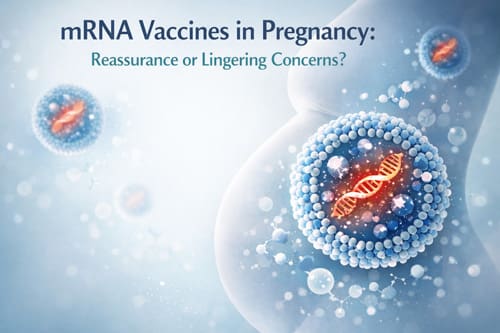
mRNA vaccines function by delivering lipid nanoparticle encapsulated messenger RNA encoding the SARS-CoV-2 spike protein. Once taken up by host cells, this genetic material directs transient spike protein production, thereby eliciting robust humoral and cellular immune responses without the use of live virus or integration into the host genome. Although the underlying mechanism offered several theoretical safety advantages, including rapid degradation of mRNA and absence of replication, it also raised specific concerns in the context of pregnancy. These included potential effects on placental biology, maternal immune activation, fetal development, and pregnancy outcomes, all of which required careful evaluation.
Following vaccine rollout, a rapidly expanding body of real world evidence began to address these concerns. Data from large observational cohort studies, national and international surveillance systems, and pregnancy registries have provided increasingly consistent findings regarding the safety of mRNA COVID-19 vaccines during pregnancy. These data suggest no increased risk of miscarriage, congenital anomalies, stillbirth, or adverse neonatal outcomes associated with vaccination. In parallel, effectiveness studies demonstrate substantial protection against severe maternal COVID-19 illness and evidence of transplacental antibody transfer, supporting potential neonatal benefit during early life.
The success of mRNA COVID-19 vaccines has also accelerated the development of additional mRNA based vaccines targeting pathogens of particular relevance to pregnancy and neonatal health. Candidates in development include vaccines against respiratory syncytial virus, cytomegalovirus, influenza, and Group B Streptococcus, each of which carries significant morbidity in pregnant individuals or newborns. As these platforms advance toward clinical use, understanding the safety profile and immunologic performance of current mRNA vaccines during pregnancy is essential for informing regulatory evaluation, clinical trial design, and patient counseling.
This paper synthesizes the available evidence on the safety and effectiveness of mRNA vaccines during pregnancy, drawing primarily from post authorization observational studies, surveillance databases, and pregnancy specific registries. It also examines ongoing research gaps, including long term infant outcomes, optimal timing of vaccination during gestation, and differential effects across diverse populations. Finally, the review considers the broader implications of emerging mRNA vaccine technologies for maternal immunization strategies, highlighting key considerations for future research and clinical implementation.

COVID-19 Risks During Pregnancy 

Pregnancy creates physiological changes that may increase susceptibility to respiratory infections and severe COVID-19 outcomes. Immune system adaptations, cardiovascular changes, and respiratory modifications contribute to heightened vulnerability.
Maternal Complications
Pregnant individuals with COVID-19 demonstrate increased risks for intensive care unit admission, mechanical ventilation, and extracorporeal membrane oxygenation compared to non-pregnant individuals of similar age. Studies consistently report higher rates of severe maternal illness, with relative risk estimates ranging from 1.5 to 3.0 for critical care interventions.
Pregnancy-specific complications include increased risks for preeclampsia, particularly among individuals with severe COVID-19. The inflammatory response associated with SARS-CoV-2 infection may exacerbate endothelial dysfunction, contributing to hypertensive disorders of pregnancy.
Fetal and Neonatal Outcomes
COVID-19 during pregnancy associates with increased preterm delivery rates, with studies reporting preterm birth occurring in 12-25% of infected pregnancies compared to baseline rates of 8-12%. The relationship between maternal infection and preterm delivery appears strongest with symptomatic infection during the third trimester.
Fetal growth restriction and stillbirth rates show modest increases in some studies, though absolute risks remain low. Neonatal infection rates are relatively uncommon, occurring in approximately 2-5% of births to mothers with active infection at delivery.
mRNA Vaccine Mechanism and Pregnancy Considerations
mRNA vaccines function by delivering lipid nanoparticle-encapsulated messenger RNA encoding the SARS-CoV-2 spike protein. Following intramuscular injection, cellular uptake leads to protein translation and subsequent immune response activation.
Biological Plausibility of Safety
The mRNA vaccine mechanism suggests minimal direct fetal exposure risk. mRNA molecules are rapidly degraded following protein translation, typically within hours to days. The lipid nanoparticle delivery system primarily targets local muscle cells and regional lymph nodes.
Animal reproductive toxicology studies using developmental and reproductive toxicity protocols showed no adverse effects on fertility, pregnancy, or fetal development. These studies, while not directly applicable to humans, provided initial safety signals supporting pregnancy use.
Placental Considerations
Concerns about mRNA vaccine effects on placental function centered on potential inflammatory responses or direct placental targeting. However, studies examining placental tissue from vaccinated pregnancies show no histopathological abnormalities or increased inflammatory markers compared to controls.
The spike protein produced following vaccination differs from that associated with active infection. Vaccination-induced spike protein expression is transient and localized, contrasting with the systemic and prolonged inflammation seen with COVID-19 infection.
Clinical Evidence for Safety
Multiple observational studies and surveillance data sources have evaluated mRNA vaccine safety during pregnancy since authorization for emergency use.
Registry and Surveillance Data
The Centers for Disease Control and Prevention’s v-safe pregnancy registry represents the largest prospective surveillance effort, following thousands of pregnant individuals who received mRNA vaccines. Initial reports from this registry showed reassuring safety profiles, with adverse event rates similar to historical controls for major pregnancy outcomes.
Preliminary data from v-safe enrolled over 35,000 pregnant participants, with completed pregnancy outcomes available for analysis. Rates of pregnancy loss, preterm delivery, small for gestational age infants, and congenital anomalies fell within expected ranges based on historical data.
Observational Studies
Large-scale observational studies from healthcare systems worldwide have provided additional safety evidence. A study from the Kaiser Permanente system evaluated over 23,000 pregnant individuals, comparing vaccinated and unvaccinated groups for pregnancy outcomes.
Results demonstrated no increased risks for major adverse outcomes including preterm birth, small for gestational age infants, or congenital anomalies among vaccinated individuals. The study’s size and outcome assessment strengthened confidence in vaccine safety during pregnancy.
Israeli healthcare system data provided similar reassuring findings, with analysis of over 10,000 pregnant vaccinated individuals showing no safety signals for adverse pregnancy outcomes. The study’s population-based design and standardized outcome definitions enhanced result reliability.
Timing of Vaccination
Studies examining vaccination timing during pregnancy have evaluated whether trimester of administration affects safety profiles. Current evidence suggests similar safety across all pregnancy trimesters, though first-trimester data remain more limited due to initial recommendations favoring later pregnancy vaccination.
Some studies suggest potential benefits from earlier vaccination, including longer duration of maternal antibody presence and potentially enhanced passive immunity transfer. However, the optimal timing for vaccination continues to be individualized based on maternal risk factors and infection prevalence.
Effectiveness During Pregnancy
mRNA vaccine effectiveness during pregnancy mirrors that observed in non-pregnant populations, with studies demonstrating substantial protection against severe COVID-19 outcomes.
Maternal Protection
Studies consistently report high vaccine effectiveness against hospitalization and severe illness among pregnant individuals. Effectiveness estimates typically range from 75-95% against severe outcomes, with higher protection rates observed against hospitalization compared to any infection.
Real-world effectiveness data from healthcare systems show maintained protection throughout pregnancy, though breakthrough infections can occur, particularly with variant strains. The severity of breakthrough infections among vaccinated pregnant individuals typically remains lower than among unvaccinated individuals.
Duration of Protection
Limited data exist regarding protection duration during pregnancy, though available evidence suggests similar waning patterns to those observed in general populations. Antibody levels decline over time following vaccination, with corresponding decreases in protection against infection while protection against severe outcomes remains more durable.
The physiological changes of pregnancy, including expanded plasma volume and altered immune function, may influence vaccine-induced immunity duration, though specific effects remain unclear.

Antibody Transfer and Neonatal Protection
One potential advantage of maternal vaccination involves passive immunity transfer to newborns through transplacental antibody passage and breast milk.
Transplacental Transfer
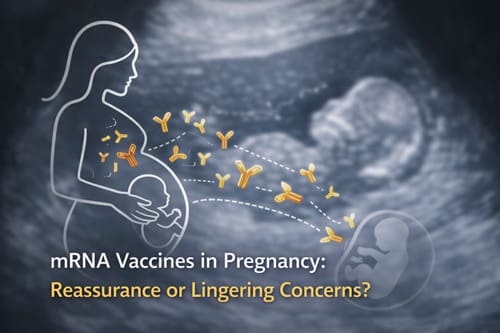
Studies examining cord blood antibodies demonstrate robust transplacental transfer of SARS-CoV-2 antibodies following maternal mRNA vaccination. Transfer efficiency varies based on maternal antibody levels, gestational age at delivery, and time since vaccination.
Antibody transfer appears most efficient when maternal vaccination occurs during the second or third trimester, allowing adequate time for antibody development and transplacental passage. However, antibody transfer has been documented with vaccination at any gestational age.
Breast Milk Antibodies
Lactating individuals who receive mRNA vaccines produce detectable antibodies in breast milk, providing another potential route for passive immunity transfer. Breast milk antibody levels and duration vary among individuals, with detection possible for weeks to months following vaccination.
The clinical relevance of breast milk antibodies for infant protection remains under investigation, though the presence of specific antibodies suggests potential protective benefits.
Infant Outcomes
Preliminary data on infant outcomes following maternal vaccination show reassuring safety profiles. Studies have not identified increased rates of neonatal complications, congenital anomalies, or developmental concerns among infants born to vaccinated mothers.
Long-term follow-up data remain limited, though available short-term outcomes support the safety of maternal vaccination for infant health.
Future mRNA Vaccine Development
The success of COVID-19 mRNA vaccines has catalyzed development of additional mRNA vaccine platforms targeting pathogens particularly relevant to maternal and infant health.
Respiratory Syncytial Virus
RSV causes substantial morbidity and mortality in infants, particularly those under six months of age. Traditional RSV vaccine development faced challenges, but mRNA platforms offer new approaches for maternal vaccination to protect newborns through passive immunity.
Several companies are developing mRNA RSV vaccines designed for maternal immunization. Early trial data show promising immunogenicity profiles with robust antibody responses and efficient transplacental transfer. The mRNA platform’s ability to present stabilized viral proteins may overcome historical challenges in RSV vaccine development.
Phase 3 trials are evaluating mRNA RSV vaccines in pregnant individuals, with primary endpoints including infant RSV disease prevention and maternal safety. If successful, these vaccines could provide substantial protection for infants during their most vulnerable period.
Cytomegalovirus
CMV represents the leading infectious cause of congenital disabilities, affecting approximately 1 in 200 births. Primary maternal CMV infection during pregnancy carries the highest risk for fetal transmission and adverse outcomes.
mRNA CMV vaccines in development target multiple viral proteins to induce broad immune responses. The platform’s flexibility allows for inclusion of antigens from different CMV strains, potentially providing broader protection than traditional approaches.
Preclinical studies of mRNA CMV vaccines show promising results in animal models, with ongoing phase 1 trials evaluating safety and immunogenicity in non-pregnant adults. Future pregnancy studies will assess whether maternal vaccination can prevent fetal infection or reduce disease severity.
Influenza
Current influenza vaccines show variable effectiveness, particularly during pregnancy when immune changes may reduce vaccine responses. mRNA influenza vaccines offer potential advantages through more stable antigen presentation and enhanced immune responses.
Multiple mRNA influenza vaccines are in development, including both seasonal and universal platforms targeting conserved viral regions. Early studies suggest improved immunogenicity compared to traditional vaccines, which could translate to better protection during pregnancy.
The ability to rapidly modify mRNA vaccines could enable faster responses to seasonal strain changes and emerging pandemic influenza viruses, providing more timely protection for pregnant individuals and their infants.
Group B Streptococcus
GBS colonization affects 15-20% of pregnant individuals and represents a leading cause of neonatal sepsis and meningitis. Current prevention relies on antibiotic prophylaxis during labor, which does not prevent all cases.
mRNA GBS vaccines in development target capsular polysaccharide and protein antigens to induce antibodies that could prevent neonatal disease through passive transfer. The platform’s ability to present complex antigens may provide advantages over polysaccharide-based approaches.
Preclinical studies show promising results, with plans for human trials to evaluate safety and efficacy in preventing neonatal GBS disease through maternal vaccination.
Combination Platforms
Future mRNA vaccine development may include multivalent platforms targeting multiple pathogens in single formulations. Combination vaccines could address several pregnancy-relevant pathogens simultaneously, potentially improving coverage and reducing injection burden.
Challenges for combination platforms include ensuring immunological compatibility between targets and maintaining safety profiles equivalent to individual vaccines. However, the modular nature of mRNA technology facilitates such approaches.
Comparative Analysis with Other Vaccines
mRNA vaccines join other vaccines routinely recommended during pregnancy, including influenza, tetanus-diphtheria-pertussis, and respiratory syncytial virus vaccines.
Safety Profiles
The safety profile of mRNA COVID-19 vaccines during pregnancy appears consistent with other recommended pregnancy vaccines. Rates of local and systemic reactions are similar to those observed with other vaccines, with most adverse events being mild to moderate in severity.
Unlike some traditional vaccines that use live attenuated viruses, mRNA vaccines pose no theoretical risk of causing infection in mother or fetus, potentially offering safety advantages.
Effectiveness Comparisons
Vaccine effectiveness rates for mRNA COVID-19 vaccines exceed those typically observed with influenza vaccines during pregnancy, though direct comparisons are limited by different study methodologies and outcome measures.
The robust immune responses generated by mRNA vaccines may provide advantages for maternal protection and passive immunity transfer compared to some traditional vaccine platforms.
Professional Society Recommendations
Major medical organizations have endorsed mRNA COVID-19 vaccination during pregnancy based on available safety and effectiveness data.
American College of Obstetricians and Gynecologists
ACOG strongly recommends COVID-19 vaccination for pregnant individuals, citing evidence of safety and the increased risks associated with COVID-19 during pregnancy. Their guidance emphasizes shared decision-making while supporting vaccination at any gestational age.
Society for Maternal-Fetal Medicine
SMFM provides similar recommendations, advocating for vaccination based on available evidence and the principle that benefits outweigh risks for most pregnant individuals. They emphasize the importance of individualized counseling while supporting routine recommendation.
Centers for Disease Control and Prevention
CDC recommends COVID-19 vaccination for pregnant individuals as part of routine pregnancy care. Their recommendations are based on safety surveillance data and the documented risks of COVID-19 during pregnancy.
Addressing Patient Concerns
Despite reassuring safety data, some pregnant individuals remain hesitant about mRNA vaccination. Common concerns include effects on fertility, pregnancy outcomes, and long-term infant health.
Fertility Concerns
Studies have not identified any adverse effects of mRNA vaccination on fertility or conception rates. Large observational studies comparing time to pregnancy among vaccinated and unvaccinated individuals show no differences in conception rates.
Misinformation regarding fertility effects has contributed to vaccine hesitancy, highlighting the importance of evidence-based counseling and clear communication about available data.
Pregnancy Outcome Fears
Concerns about pregnancy loss, birth defects, or other adverse outcomes persist despite reassuring data. Healthcare providers must acknowledge these fears while presenting current evidence in accessible terms.
Emphasizing the comparative risks of COVID-19 infection versus vaccination helps patients understand the risk-benefit profile and make informed decisions.
Limitations and Knowledge Gaps
Current evidence, while reassuring, has important limitations that should be acknowledged in clinical practice.
Long-term Follow-up
Most available data focus on short-term outcomes, with limited long-term follow-up of children born to vaccinated mothers. While no early safety signals have emerged, extended surveillance remains important.
Ongoing studies are following children born to vaccinated mothers to evaluate developmental outcomes, immune function, and other long-term health measures.
Variant Effectiveness
Vaccine effectiveness data during pregnancy are primarily derived from studies conducted during earlier pandemic phases. The impact of viral variants on vaccine effectiveness during pregnancy requires ongoing evaluation.
Special Populations
Limited data exist for certain high-risk pregnancy populations, including those with pregnancy complications, immunocompromising conditions, or multiple pregnancies. These groups may have different risk-benefit profiles requiring individualized approaches.
Regulatory Considerations for Future mRNA Vaccines
The development of future mRNA vaccines for use during pregnancy will benefit from lessons learned during COVID-19 vaccine evaluation.
Clinical Trial Design
Future mRNA vaccine trials may include pregnant participants earlier in development, based on favorable safety profiles observed with COVID-19 vaccines. This approach could provide pregnancy-specific data before widespread use.
Adaptive trial designs may allow for more efficient evaluation of safety and effectiveness in pregnant populations while maintaining ethical standards.
Safety Monitoring
Enhanced safety monitoring systems developed for COVID-19 vaccines provide templates for future mRNA vaccine surveillance during pregnancy. These systems can be adapted for new vaccines with established infrastructure.
Real-world evidence generation capabilities developed during the pandemic can support post-authorization monitoring of future mRNA vaccines used during pregnancy.
Regulatory Pathways
Regulatory agencies have gained experience evaluating mRNA vaccine safety during pregnancy, potentially streamlining approval processes for future vaccines using similar platforms.
The precedent established by COVID-19 vaccines may facilitate more rapid authorization of future mRNA vaccines for pregnancy use when compelling public health needs exist.
Future Research Directions
Several areas warrant continued investigation to further inform clinical practice and patient counseling for current and future mRNA vaccines.
Platform-Specific Studies
Research comparing different mRNA vaccine platforms and formulations could inform optimal design for pregnancy use and identify factors influencing safety and effectiveness.
Randomized Controlled Trials
While ethical considerations limit randomized trial feasibility for many pregnancy vaccines, future studies with improved controls can provide additional evidence on safety and effectiveness.
Optimal Timing Studies
Research examining optimal vaccination timing for maternal protection and passive immunity transfer could inform clinical recommendations and improve outcomes for both current and future vaccines.
Variant-Specific Studies
Continued surveillance of vaccine effectiveness against emerging variants during pregnancy will inform booster recommendations and clinical guidance for current and future mRNA vaccines.
Long-term Pediatric Follow-up
Extended follow-up studies of children born to vaccinated mothers will address remaining questions about long-term safety and potential benefits of maternal mRNA vaccination.
Immunological Studies
Research examining maternal immune responses to mRNA vaccines during pregnancy could identify factors influencing effectiveness and duration of protection.
Clinical Applications
Healthcare providers should integrate current evidence into routine pregnancy care while remaining responsive to patient concerns and emerging data.
Counseling Approaches
Effective counseling should present balanced information about pathogen risks during pregnancy and vaccine benefits while acknowledging limitations in current knowledge. Shared decision-making approaches respect patient autonomy while providing clinical expertise.
Risk Stratification
Individual risk assessment considering maternal age, comorbidities, exposure risks, and local infection rates can inform personalized recommendations while supporting patient decision-making.
Timing Decisions
Vaccination timing discussions should consider individual circumstances, including infection history, antibody levels, and pregnancy-specific factors while recognizing that vaccination at any time during pregnancy appears safe and beneficial.
Healthcare System Considerations
Implementing pregnancy vaccination programs requires systematic approaches addressing provider education, patient communication, and outcome monitoring.
Provider Education
Healthcare providers need current information about vaccine safety and effectiveness during pregnancy to provide evidence-based counseling and recommendations. This education will need updating as new mRNA vaccines become available.
Patient Communication Materials
Clear, accessible educational materials can support patient counseling and address common concerns about vaccination during pregnancy. Materials should be updated to reflect new vaccine options and emerging evidence.
Monitoring Systems
Continued surveillance through existing monitoring systems and research studies remains essential for detecting any previously unidentified safety signals and confirming long-term safety for current and future vaccines.
Infrastructure Development
Healthcare systems should develop infrastructure to support multiple mRNA vaccine platforms, including storage, administration, and monitoring capabilities that can adapt to new vaccines.
Economic Considerations
The cost-effectiveness of mRNA vaccines during pregnancy extends beyond immediate healthcare savings to include long-term benefits for maternal and child health.
Cost-Benefit Analysis
Economic analyses of mRNA vaccination during pregnancy should consider direct medical costs, productivity losses, and quality-of-life impacts. The prevention of severe maternal illness and adverse pregnancy outcomes provides substantial economic benefits.
Healthcare Resource Utilization
mRNA vaccines may reduce healthcare utilization through prevention of severe illness, hospitalization, and pregnancy complications. These savings could offset vaccination program costs.
Long-term Economic Impact
The prevention of congenital infections and adverse neonatal outcomes through maternal vaccination provides long-term economic benefits through reduced disability costs and improved child health outcomes.
Global Health Implications
mRNA vaccine technology offers potential solutions for pregnancy-related health challenges in low- and middle-income countries.
Disease Burden Reduction
Many pathogens targeted by developing mRNA vaccines cause disproportionate disease burden in resource-limited settings. Effective maternal vaccination programs could reduce global maternal and neonatal morbidity and mortality.
Implementation Challenges
The cold-chain requirements and infrastructure needs for mRNA vaccines may present challenges in some settings. However, ongoing technological developments may address these limitations.
Equity Considerations
Ensuring equitable access to mRNA vaccines during pregnancy requires attention to disparities in healthcare access and vaccine distribution systems.

Conclusion

Current evidence strongly supports the safety and effectiveness of mRNA COVID-19 vaccines during pregnancy. Multiple large observational studies and surveillance data sources provide reassuring safety profiles, with no increased risks for major adverse pregnancy outcomes among vaccinated individuals. The vaccines demonstrate effectiveness against severe COVID-19 outcomes during pregnancy while providing potential benefits through passive immunity transfer to infants.
The success of COVID-19 mRNA vaccines has accelerated development of additional mRNA vaccines targeting other pregnancy-relevant pathogens. Future vaccines for RSV, CMV, influenza, and GBS show promise in early development, potentially expanding protection for pregnant individuals and their infants. The established safety profile of mRNA vaccine platforms during pregnancy provides a foundation for evaluating these emerging vaccines.
While knowledge gaps remain, particularly regarding long-term outcomes, the available evidence clearly indicates that vaccination benefits outweigh risks for most pregnant individuals. The documented risks of COVID-19 during pregnancy, including increased maternal morbidity and adverse pregnancy outcomes, support vaccination as an important protective measure.
Healthcare providers should recommend mRNA COVID-19 vaccination as part of routine pregnancy care while providing individualized counseling that addresses patient concerns and personal risk factors. As new mRNA vaccines become available, the experience gained with COVID-19 vaccines will inform clinical approaches and regulatory pathways.
Continued surveillance and research will further refine understanding of vaccine safety and effectiveness during pregnancy, but current evidence provides substantial reassurance about the decision to vaccinate. The future of mRNA vaccines in pregnancy appears promising, with potential to address multiple infectious disease threats that affect maternal and child health.
Key Takeaways
- mRNA COVID-19 vaccines demonstrate reassuring safety profiles during pregnancy across multiple large studies and surveillance systems
- Vaccination provides substantial protection against severe COVID-19 outcomes for pregnant individuals
- No increased risks for major adverse pregnancy outcomes have been identified among vaccinated individuals
- Transplacental and breast milk antibody transfer provides potential protective benefits for infants
- Professional medical organizations strongly recommend vaccination during pregnancy based on current evidence
- Individual counseling should address patient concerns while presenting evidence-based risk-benefit information
- Long-term follow-up studies continue to monitor outcomes and further confirm safety
- The benefits of vaccination outweigh risks for most pregnant individuals given the documented dangers of COVID-19 during pregnancy
- Future mRNA vaccines targeting RSV, CMV, influenza, and GBS show promise for addressing additional pregnancy-related health threats
- The established safety profile of mRNA platforms provides a foundation for evaluating emerging vaccines
- Healthcare systems should prepare infrastructure to support multiple mRNA vaccine platforms
- Continued research and surveillance remain essential as new mRNA vaccines enter development and use
Frequently Asked Questions:
Q: Are mRNA vaccines safe during the first trimester of pregnancy?
A: Current evidence suggests mRNA vaccines are safe during the first trimester, though data from this period are more limited than later pregnancy periods. Studies have not identified increased risks for pregnancy loss or birth defects among individuals vaccinated during early pregnancy.
Q: Can vaccination during pregnancy affect fertility or future pregnancies?
A: Studies have found no adverse effects of mRNA vaccination on fertility or conception rates. There is no biological mechanism by which these vaccines would affect reproductive function, and observational data support this conclusion.
Q: How long do antibodies last in infants born to vaccinated mothers?
A: Antibody duration in infants varies, but studies suggest detectable levels for several months after birth. The exact duration depends on maternal antibody levels at delivery and individual infant factors. Research continues to define optimal timing for maternal vaccination to maximize infant protection.
Q: Should pregnant individuals receive booster doses?
A: Booster recommendations for pregnant individuals generally follow those for the general population, with timing based on initial vaccination series completion and current guidelines. Individual circumstances and risk factors should be considered in making booster decisions.
Q: Is it safe to get vaccinated while breastfeeding?
A: Yes, mRNA vaccination is safe during breastfeeding and may provide additional benefits through antibody transfer in breast milk. There is no need to interrupt breastfeeding following vaccination.
Q: What should I do if I experience side effects after vaccination during pregnancy?
A: Most vaccine side effects are mild and similar to those experienced by non-pregnant individuals. Severe or concerning symptoms should prompt medical evaluation. Participation in pregnancy registries helps monitor safety and contributes to ongoing surveillance efforts.
Q: How does vaccine effectiveness during pregnancy compare to non-pregnant individuals?
A: Vaccine effectiveness during pregnancy appears similar to that observed in non-pregnant individuals of comparable age, with high protection against severe outcomes and hospitalization.
Q: Are there any pregnancy conditions that would make vaccination inadvisable?
A: Most pregnancy complications do not preclude vaccination, though individual assessment may be warranted for certain high-risk situations. Consultation with maternal-fetal medicine specialists can help guide decisions in complex cases.
Q: What future mRNA vaccines might be available for pregnant individuals?
A: Several mRNA vaccines are in development targeting pathogens relevant to pregnancy, including RSV, CMV, influenza, and Group B Streptococcus. These vaccines could provide additional protection for pregnant individuals and their infants in the future.
Q: Will future mRNA vaccines have similar safety profiles to COVID-19 vaccines?
A: While each vaccine requires individual evaluation, the mRNA platform mechanism suggests similar safety profiles are likely. However, specific antigens and formulations may influence safety and effectiveness, requiring careful study of each new vaccine.
Q: How will healthcare providers stay updated on new mRNA vaccine developments?
A: Healthcare providers should follow updates from professional medical organizations, regulatory agencies, and clinical research publications. Continuing education programs will likely incorporate new vaccine information as it becomes available.
Q: What role will pregnant individuals play in future mRNA vaccine trials?
A: Future trials may include pregnant participants earlier in development, based on favorable safety profiles observed with COVID-19 vaccines. This approach could provide pregnancy-specific data before widespread use while maintaining ethical standards.
References:
- American College of Obstetricians and Gynecologists. (2023). COVID-19 vaccination considerations for obstetric-gynecologic care. Practice Advisory. Retrieved from https://www.acog.org/clinical/clinical-guidance/practice-advisory/articles/2020/12/covid-19-vaccination-considerations-for-obstetric-gynecologic-care
- Blakeway, H., Prasad, S., Kalafat, E., Heath, P. T., Ladhani, S. N., Le Doare, K., … & Khalil, A. (2022). COVID-19 vaccination during pregnancy: coverage and safety. American Journal of Obstetrics and Gynecology, 226(2), 236-e1.
- Centers for Disease Control and Prevention. (2023). COVID-19 vaccines while pregnant or breastfeeding. Retrieved from https://www.cdc.gov/coronavirus/2019-ncov/vaccines/recommendations/pregnancy.html
- Goldshtein, I., Nevo, D., Steinberg, D. M., Rotem, R. S., Gorfine, M., Chodick, G., & Segal, Y. (2021). Association between BNT162b2 vaccination and incidence of SARS-CoV-2 infection in pregnant women. JAMA, 326(8), 728-735.
- Gray, K. J., Bordt, E. A., Atyeo, C., Deriso, E., Akinwunmi, B., Young, N., … & Edlow, A. G. (2021). Coronavirus disease 2019 vaccine response in pregnant and lactating women: a cohort study. American Journal of Obstetrics and Gynecology, 225(3), 303-e1.
- Kampmann, B., Madhi, S. A., Munjal, I., Simões, E. A. F., Pahud, B. A., Llapur, C., … & RSVpreF Maternal Study Group. (2023). Bivalent prefusion F vaccine in pregnancy to prevent RSV illness in infants. New England Journal of Medicine, 388(16), 1451-1464.
- Kharbanda, E. O., Haapala, J., DeSilva, M., Vazquez-Benitez, G., Vesco, K. K., Naleway, A. L., … & Lipkind, H. S. (2021). Spontaneous abortion following COVID-19 vaccination during pregnancy. JAMA, 326(16), 1629-1631.
- Lipkind, H. S., Vazquez-Benitez, G., DeSilva, M., Vesco, K. K., Ackerman-Banks, C., Zhu, J., … & Kharbanda, E. O. (2022). Receipt of COVID-19 vaccine during pregnancy and preterm or small-for-gestational-age at birth – eight integrated health care organizations, United States, December 15, 2020-July 22, 2021. MMWR Morbidity and Mortality Weekly Report, 71(1), 26-30.
- Magnus, M. C., Gjessing, H. K., Eide, H. N., Wilcox, A. J., Fell, D. B., & Håberg, S. E. (2021). Covid-19 vaccination during pregnancy and first-trimester miscarriage. New England Journal of Medicine, 385(21), 2008-2010.
- Moderna, Inc. (2023). Moderna announces positive interim results for respiratory syncytial virus (RSV) vaccine in older adults from phase 3 ConquerRSV study. Press Release. Retrieved from https://investors.modernatx.com/news/news-details/2023/Moderna-Announces-Positive-Interim-Results-for-Respiratory-Syncytial-Virus-RSV-Vaccine-in-Older-Adults-from-Phase-3-ConquerRSV-Study/default.aspx
- Pardi, N., Hogan, M. J., Porter, F. W., & Weissman, D. (2018). mRNA vaccines – a new era in vaccinology. Nature Reviews Drug Discovery, 17(4), 261-279.
- Pfizer Inc. (2023). Pfizer announces positive top-line results of phase 3 global maternal immunization trial for its bivalent respiratory syncytial virus (RSV) vaccine candidate. Press Release. Retrieved from https://www.pfizer.com/news/press-release/press-release-detail/pfizer-announces-positive-top-line-results-phase-3-global
- Shimabukuro, T. T., Kim, S. Y., Myers, T. R., Moro, P. L., Oduyebo, T., Panagiotakopoulos, L., … & Meaney-Delman, D. M. (2021). Preliminary findings of mRNA Covid-19 vaccine safety in pregnant persons. New England Journal of Medicine, 384(24), 2273-2282.
- Society for Maternal-Fetal Medicine. (2023). Society for Maternal-Fetal Medicine (SMFM) statement: COVID-19 vaccination in pregnancy. Retrieved from https://www.smfm.org/covidclinical
- Stockwell, M. S., Zervos, K., Alpert, E., Irigoyen, M., Tropper, P., Dolan, S. M., … & Campbell, W. A. (2021). Risk factors for SARS-CoV-2 infection and illness in pregnant women. American Journal of Obstetrics and Gynecology MFM, 3(6), 100467.
- Theiler, R. N., Wick, M., Mehta, R., Weaver, A. L., Virk, A., & Swift, M. (2021). Pregnancy and birth outcomes after SARS-CoV-2 vaccination in pregnancy. American Journal of Obstetrics and Gynecology MFM, 3(6), 100467.
- Zauche, L. H., Wallace, B., Smoots, A. N., Olson, C. K., Oduyebo, T., Kim, S. Y., … & Ellington, S. R. (2021). Receipt of mRNA COVID-19 vaccines and risk of spontaneous abortion. New England Journal of Medicine, 385(16), 1533-1535.
- Zhang, C., Maruggi, G., Shan, H., & Li, J. (2019). Advances in mRNA vaccines for infectious diseases. Frontiers in Immunology, 10, 594.
Video Section
Check out our extensive video library (see channel for our latest videos)

Recent Articles