
Digital Phenotyping in Psychiatry: What Clinical Evidence Reveals in 2025
Check out our extensive video library (see channel for our latest videos)
Introduction
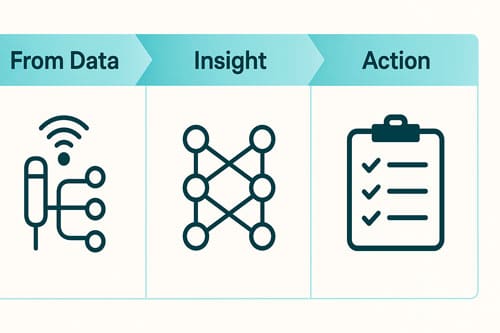
Digital phenotyping has emerged as one of the most transformative developments in modern psychiatry. Thomas Insel, former director of the U.S. National Institute of Mental Health, predicted that its impact could surpass advancements in genomics and neuroscience by 2050, given its potential to reshape mental health assessment on a global scale. Digital phenotyping refers to the moment-to-moment quantification of individual human behavior and experience through data captured by personal digital devices. By collecting behavioral, physiological, and environmental information continuously and unobtrusively, this approach provides clinicians with unprecedented insight into patients’ mental states without requiring ongoing active patient involvement.
At its foundation, digital phenotyping incorporates data derived from passive sensing technologies. These include physiological metrics from wearable devices such as smartwatches and fitness trackers, along with smartphone-based indicators such as accelerometer activity, geolocation patterns, phone usage metrics, mobility behaviors, communication frequency, and sleep–wake rhythms. The approach also addresses a longstanding challenge in psychiatric practice: reliance on episodic, subjective self-reports and clinician observations that may not fully capture variability in symptom expression or the impact of contextual factors on mental health. Instead, digital phenotyping enables access to objective, real-time data streams that reflect an individual’s behavioral patterns across daily environments and time periods.
Digital phenotyping can operate through purely passive sensing or through combined passive and active data collection models. Active data may include ecological momentary assessments, daily questionnaires, cognitive tasks, or mood ratings. Integrating these elements produces a richer, multimodal representation of mental health fluctuations and allows clinicians to track subtle changes that might precede clinical deterioration or improvement. This multidimensional data ecosystem has the potential to enhance diagnostic accuracy, support early intervention, and guide personalized treatment strategies.
Recent research through 2025 highlights a growing body of evidence supporting digital phenotyping across a range of psychiatric conditions. Studies have demonstrated its utility in monitoring mood disorders, predicting relapse in schizophrenia, identifying behavioral markers of anxiety, assessing cognitive changes in neurodegenerative conditions, and detecting early indicators of suicidal ideation. Technological advances in machine learning, sensor precision, and cloud-based analytics further strengthen the reliability and interpretability of the collected data. These tools also contribute to the emerging field of precision psychiatry, where data-driven models are used to tailor interventions to individual patients.
Despite these advances, the implementation of digital phenotyping raises important ethical, regulatory, and practical considerations. Issues related to data privacy, informed consent, algorithmic bias, and equitable access must be addressed to ensure responsible adoption. There is also a need for robust clinical infrastructure that supports data integration, interpretation, and communication within routine psychiatric workflows. Understanding these opportunities and challenges is essential as healthcare systems consider how best to harness digital phenotyping to improve mental health outcomes.
This article reviews key clinical evidence, explores emerging applications across psychiatric subspecialties, and outlines future directions for research and clinical implementation. As digital phenotyping continues to advance, it holds significant prospect for transforming psychiatric assessment from episodic and subjective evaluation to continuous, objective, and personalized care.
Defining Digital Phenotyping in Psychiatry
Modern psychiatry seeks precise measurement tools for accurate diagnosis and treatment. The concept of digital phenotyping emerged as a methodical approach to address this need, offering objective data through everyday technology.
Digital phenotyping definition and scope
Digital phenotyping refers to the “moment-by-moment quantification of the individual-level human phenotype in situ using data from personal digital devices” [1]. This approach enables continuous monitoring of behavioral patterns within patients’ natural environments, providing ecologically valid observations that traditional clinical settings cannot capture [1]. Additionally known as personal sensing, intelligent sensing, or body computing, digital phenotyping collects biometric and personal data from smartphones, wearables, and social media to measure behavior and health indicators [2].
The scope of digital phenotyping has evolved considerably since its introduction by Harvard researchers in 2015 [3]. Modern applications extend beyond simple data collection to analyze various behavioral dimensions. These analyzes generate moment-by-moment quantification of a person’s mental state and potentially predict future mental states [2]. Furthermore, contemporary digital phenotyping projects increasingly incorporate multiple data streams, merging information from electronic health records, facial recognition technology, ambient sensors, biological scans, and genomic information [2].
While digital phenotyping applies to various health conditions, mental health remains its primary development area [2]. This focus addresses a fundamental challenge in psychiatric research—the historical absence of definitive biomarkers or objective physiological measures for reliable psychiatric diagnosis [2].
Active vs passive data: key distinctions
The data collected through digital phenotyping fall into two principal categories: active and passive data, each with distinct characteristics and applications.
Active data require explicit user engagement for collection [4]. Examples include:
- Ecological momentary assessments (EMAs) or digital questionnaires
- Cognitive tests requiring user participation
- Self-reported mood, symptoms, or experiences
- App-based activities designed to measure cognitive function
Active data collection provides specific, context-rich information but faces challenges with participant burden and compliance, often resulting in smaller data volumes [5].
Passive data, conversely, are collected without conscious user engagement [1]. These data streams come from:
- Smartphone sensors (GPS, accelerometer, gyroscope, microphone)
- Communication patterns (call logs, messaging frequency)
- App usage and screen time metrics
- Wearable device measurements (heart rate, skin conductance)
- Sleep patterns and physical activity levels
Passive sensing allows for continuous, unobtrusive data collection, producing larger datasets though sometimes lacking contextual depth [5]. Nevertheless, this approach dramatically reduces participant burden while maintaining a continuous flow of objective behavioral markers [5].
Relevance to mental health diagnostics
Digital phenotyping addresses critical limitations in traditional psychiatric assessment. Historical approaches to psychiatric data collection were restricted to clinical encounters, making it challenging to develop a complete picture of day-to-day behavioral patterns [2]. Moreover, psychiatric evaluation has long struggled with the absence of objective physiological measures for reliable diagnosis [2].
The psychiatric applications of digital phenotyping consequently span numerous conditions. Research demonstrates that analysis of sleep patterns can predict relapse episodes in schizophrenia, while keystroke patterns may forecast manic episodes [2]. Moreover, movement or linguistic analysis shows potential in predicting depressive episodes [2]. Thus, digital phenotyping serves the dual purpose of fulfilling clinical objectives and logistical aims, potentially improving diagnostic precision and treatment selection [6].
For clinicians, digital phenotyping offers a new set of biomarkers that reflect mental health states across various contexts and time periods [6]. These tools may eventually overcome the trial-and-error approach that characterizes much of current psychiatric practice [6]. Machine learning algorithms applied to these datasets show potential for developing predictive models that could enable earlier intervention and more personalized treatment approaches [6].
By 2025, digital phenotyping has demonstrated particular value in monitoring cognitive function, predicting mood episodes, detecting early signs of relapse, and providing objective metrics for treatment response [6]. This approach has moved beyond theoretical benefits to practical applications that genuinely enhance clinical decision-making across psychiatric conditions.
Core Technologies Behind Digital Phenotyping 

The technological infrastructure that powers digital phenotyping continues to evolve rapidly, enabling unprecedented access to behavioral and physiological data. Recent advancements in sensor technology, wearable devices, and data processing have created a robust foundation for capturing real-time mental health indicators.
Smartphone sensors: GPS, accelerometer, microphone
Smartphones serve as the primary data collection instruments for digital phenotyping, housing multiple sensors that continuously gather behavioral information. GPS sensors, sampled every 10-30 seconds in research protocols, track users’ locations visited, mobility patterns, and travel behaviors that correlate with mental health states [1]. In particular, researchers have found connections between travel, physical activity, and symptoms of stress, anxiety, and mild depression [1].
The accelerometer, another essential smartphone sensor, measures physical movement and activity levels by sampling velocity changes approximately every second [7]. This data helps identify subtle alterations in activity that might indicate symptom progression or improvement. For instance, decreased movement often correlates with worsening depressive symptoms, providing an objective marker of potential clinical deterioration [1].
Microphones embedded in smartphones capture speech patterns and vocal characteristics that may reveal critical information about mental states. Notably, speech analysis has shown potential in psychosis detection, where subtle changes in speech can precede full symptomatic episodes [1]. Additionally, smartphone sensors collect data on screen time, app usage, call patterns, and social interactions—each offering valuable insights into behavioral changes that might reflect psychiatric symptoms [1].
Android devices appear predominantly in digital phenotyping research, with 68% of studies supporting both iOS and Android platforms, 28% supporting only Android, and merely 5% compatible solely with iOS [1]. This preference stems from Android’s greater flexibility in capturing modalities like keyboard typing and app usage, alongside easier background operation [1].
Wearables and physiological data streams
Wearable technology expands digital phenotyping capabilities beyond what smartphones alone can provide. These devices—worn on the body as accessories or clothing—collect physiological data that smartphones cannot access, especially during sleep periods [4]. Common wearable technologies include smartwatches (Apple Watch, Samsung Galaxy Watch), fitness trackers (Fitbit), smart glasses, and even garments with integrated sensors [4].
Heart rate variability (HRV) represents one crucial physiological indicator captured by wearables. As a critical marker of autonomic nervous system function, reduced HRV often appears in individuals with depression, offering insights into emotional regulation and stress levels [4]. Similarly, wearables track sleep duration, quality, and cycles—parameters frequently disrupted in psychiatric conditions [5].
Unlike smartphones, which users typically set aside during sleep, wearable devices provide estimates of sleep onset, offset, efficiency, and potentially sleep staging using built-in sensors [4]. Furthermore, these devices measure respiration rate, skin temperature, and continuous activity levels, creating a comprehensive physiological profile [4]. Recent studies incorporate devices such as the Samsung Gear 3, Garmin vivofit, and various Fitbit models to support passive data collection in mental health monitoring [5].
Data fusion and real-time analytics
The power of digital phenotyping lies not only in individual data streams but also in their integration through advanced analytics. Data fusion combines information from multiple sensors to disambiguate signals and generate more accurate assessments of mental states [4]. For instance, integrating accelerometry values with GPS data provides context to physical activity, distinguishing between goal-directed behaviors and aimless movements [1].
Real-time analytics transform raw sensor data into actionable insights through various computational approaches. The Expert System for Youth (ESFY) exemplifies this process—collecting and interpreting behavioral data from smartphones to detect early indicators of psychological distress [1]. Such systems typically employ knowledge-based architecture with inference engines that process continuous data streams [1].
One key technical challenge in real-time analytics involves battery life, as sensors like GPS tracking, accelerometers, and continuous heart rate monitoring consume substantial energy [7]. Walking or other mobility activities can increase battery consumption by 3-4 times compared to stationary use [7]. Moreover, device heterogeneity presents hurdles for standardized data collection, as manufacturers use unique hardware configurations and software ecosystems [7].
Despite these challenges, integration via Application Programming Interfaces (APIs) and Software Development Kits (SDKs) continues to advance. Platforms like Apple HealthKit and Google Fit facilitate data integration from multiple sources, though broader adoption remains necessary for comprehensive interoperability [7].
Clinical Evidence in Depression and Mood Disorders (2025)
Recent clinical trials examining digital phenotyping in depression have yielded compelling evidence for its utility in monitoring and potentially predicting mood states. As research progresses, investigators have discovered increasingly robust connections between digital biomarkers and clinical presentation.
Digital phenotyping depression trials: 2023–2025
The Mobile Monitoring of Mood (MoMo-Mood) study emerged as a pivotal multimodal digital phenotyping investigation focusing on patients with major depressive episodes. This research examined different cohorts, including those with major depressive disorder, bipolar disorder, or concurrent borderline personality disorder, alongside healthy controls [2]. Research indicates that patients with depression showed lower weekday location variance compared to controls (patient: mean –11.91, SD 2.50; control: mean –10.04, SD 2.73) [2]. Additionally, location entropy was reduced in depressive patients (mean 1.57, SD 1.10) compared to controls (mean 2.10, SD 1.38) [2].
The Prediction of Severity-Change Depression (PSYCHE-D) model utilized baseline biodemographic features and passively collected wearable data to explore factors associated with long-term depression symptom variability [2]. Initially, this model revealed that high weekday sleep duration, increased nights with less than five hours of sleep, lower recent step count, high range of sleep duration, and low weekend sleep duration were the most influential features in predicting high depression symptom variability [2].
Currently, several trials have incorporated digital health monitoring (DHM) through wearable devices and electronic data capture platforms. These approaches allow near real-time assessment of physical and mental health symptoms in naturalistic environments at higher frequencies than standard care permits [2].
Heart rate variability and sleep as predictive markers
Heart rate variability (HRV) has gained recognition as a noninvasive biomarker of autonomic nervous system function, reflecting the dynamic balance between sympathetic and parasympathetic activity [6]. Regarding depression, reduced HRV frequently appears in affected individuals, indicating impaired autonomic flexibility [6].
Studies examining the relationship between HRV, sleep quality, and depression have revealed that sleep disturbance severity influences the strength of associations between HRV and inflammatory markers, with stronger correlations in patients with severe sleep disturbance [6]. In fact, a cross-sectional study investigating medical students found that:
- Sleep disturbance negatively correlated with SDNN during waking periods (r = −0.285) [6]
- Sleep disturbance negatively correlated with LF in waking periods (r = −0.235) [6]
- Sleep disturbance negatively correlated with SDNN during sleeping periods (r = −0.317) [6]
Research from 2025 demonstrated that HRV parameters did not change following treatment with either non-pharmacological (transcranial direct current stimulation) or pharmacological (sertraline) interventions, nor did HRV increase with clinical response to treatment [3]. These findings suggest reduced HRV may be a trait-marker for major depressive disorder, potentially predisposing patients to various conditions even after symptom resolution [3].
Step count and social withdrawal correlations
Physical activity, often measured through daily step count, has demonstrated strong associations with depression. A comprehensive meta-analysis of 33 observational studies involving 96,173 adults found that higher daily step counts consistently correlated with fewer depressive symptoms [8]. Accordingly, compared to fewer than 5,000 steps per day, achieving 5,000-7,499 steps (SMD, −0.17), 7,500-9,999 steps (SMD, −0.27), and 10,000+ steps (SMD, −0.26) was associated with reduced depressive symptoms [8].
Prospective cohort studies provided even more compelling evidence, with participants taking 7,000+ steps daily showing a 31% lower risk of depression compared to those with fewer steps (RR, 0.69) [8]. Furthermore, each additional 1,000 steps per day corresponded to a 9% decrease in depression risk (RR, 0.91) [8].
The eMASQ (electronic Mood and Anxiety Symptom Questionnaire) study revealed a main effect of steps on anxiety, distress, and depression, whereby higher physical activity corresponded with lower symptom severity [9]. A 7-period lag analysis demonstrated that increased physical activity was associated with lower depression and anxiety approximately one week later [9]. Overall, individuals engaging in greater physical activity than their typical baseline showed 7-12% decreases in anxiety, distress, and depression symptom severity [9].
Digital Phenotyping in Bipolar and Schizophrenia Research
Psychiatric research has made substantial strides in applying digital phenotyping to bipolar disorder and schizophrenia, conditions that present unique monitoring challenges due to their episodic nature and complex symptom profiles.
MONARCA II and BipoSense study outcomes
The MONARCA II randomized controlled single-blind parallel-group trial represented a milestone in testing smartphone-based monitoring for bipolar disorder. This 9-month study involved 129 patients with bipolar disorder (ICD-10) and examined the effect of smartphone-based monitoring on illness activity [7]. Contrary to expectations, intention-to-treat analyzes revealed no statistically significant effect of smartphone-based monitoring on depressive (B = 0.61, 95% CI −0.77 to 2.00, p = 0.38) or manic symptoms (B = −0.25, 95% CI −1.1 to 0.59, p = 0.56) [7]. Nevertheless, patients in the intervention group reported higher quality of life and lower perceived stress compared to the control group [7]. In sub-analyzes, researchers observed that participants using the smartphone system had higher risk of depressive episodes but lower risk of manic episodes [7].
Subsequently, the BipoSense study addressed methodological limitations by increasing both study duration and assessment frequency. This 12-month investigation collected biweekly dimensional and categorical expert ratings alongside daily self-ratings from 29 bipolar disorder patients [10]. The study achieved remarkable compliance rates: 97% for biweekly diagnostic visits, 99% for mobile sensing data, and 89% for e-diary ratings [10]. Throughout the study period, researchers diagnosed 39 affective episodes: 21 depressive (0.7/patient), 15 hypomanic (0.5/patient), and 3 manic (0.1/patient) [10].
Speech pattern analysis in psychosis detection
Automated speech analysis has emerged as a particularly promising avenue for psychosis detection. Natural language processing parsers and machine learning classifiers have revealed systematic grammatical markers of psychosis risk [11]. In particular, speakers at clinical high risk (CHR) for psychosis produced more referential language but fewer adjectives, adverbs, and nouns than community controls across sampling tasks [11].
Research examining speech features demonstrated that breaks in the flow of meaning between sentences and speech characterized by shorter phrases with less elaboration effectively predicted psychosis onset [4]. In one proof-of-principle study, an automated speech analysis program correctly differentiated between all five individuals who later experienced a psychotic episode and the 29 who did not—achieving 100% accuracy [4].
The value of speech analysis extends to diagnosed schizophrenia as well. A 2025 study processing 825 PANSS interviews isolated 490 hours of participant speech for analysis [5]. The findings revealed that higher positive symptom scores were associated with greater amount of speech, faster speech, and shorter, less varied pauses, whereas negative symptoms correlated with decreased speech, slower speech, and longer, more varied pauses [5].
Mood episode prediction using smartphone data
Various machine learning approaches have demonstrated potential for predicting mood episodes in bipolar disorder. Research using 6,364 mental state surveys and 23,551 days of smartphone sensor data from patients with schizophrenia revealed that a majority of prediction models performed significantly above baseline [12]. When properly accounting for class imbalance, ordinal forecast models demonstrated performance comparable to binary classification approaches (balanced accuracy between 58% and 73%) without losing valuable clinical information [12].
First of all, relapse prediction models for schizophrenia showed prospect with some AUC values reaching 0.8, albeit lacking methodological standardization [13]. Regarding behavioral correlates, greater home-time at baseline and six months was associated with poorer social cognition (faux-pas recognition) at those assessment time points [14]. Furthermore, analyzes demonstrated that first-month home-time was linked with subsequent faux-pas recognition at 6 and 12-month follow-ups [14].
For bipolar disorder specifically, studies examining early warning signals based on dynamical systems theory suggested that smartphone-based digital phenotyping might detect impending mood episodes [15]. Altered autocorrelation and variance in activity-related measures best predicted manic episodes, whereas sleep parameters predicted both manic and depressive transitions [15]. Notwithstanding these advances, predictive accuracy remains below clinically useful thresholds, highlighting the need for further refinement [15].
Machine Learning Models and Predictive Accuracy
Machine learning algorithms form the analytical backbone of digital phenotyping applications in psychiatry, with researchers increasingly focusing on model selection, validation, and interpretability. As these computational approaches advance, understanding their respective strengths and limitations becomes crucial for clinical implementation.
Random forest vs LSTM in mood prediction
The comparison between Random Forest (RF) and Long Short-Term Memory (LSTM) models reveals distinct advantages in different contexts. Generally, RF models excel in handling high-dimensional feature spaces and performing feature selection, providing robust mechanisms for identifying key predictors of psychiatric symptoms [16]. These tree-based models demonstrate particular strength when trained with structured data, as evidenced by their widespread use in recent mental health research, with 43% of studies employing decision tree-based methods [17].
In contrast, LSTM networks specialize in capturing temporal dependencies within sequence data—an intrinsic characteristic of mental health fluctuations [1]. Their design specifically addresses the vanishing gradient problem encountered with traditional recurrent neural networks, enabling effective learning over long sequences [1]. Indeed, various comparative studies have shown that LSTM models consistently achieve the highest accuracy across multiple datasets, indicating superior ability to model sequential dependencies in digital phenotyping data [18].
A hybrid approach leveraging both models often yields optimal results. The RF model can initially identify the most impactful variables, which subsequently feed into LSTM networks to refine temporal predictions [1]. This dual-model approach aligns with ensemble learning principles, where combining different algorithms leads to superior predictive performance compared to individual models [1].
Limitations of small sample sizes
Small sample sizes remain a persistent challenge in digital phenotyping research. A review of machine learning studies revealed attrition as a common issue—the final participant count frequently falls well below initial recruitment numbers [17]. For example, one study retained only 359 (30.42%) of 1,180 enrolled participants [17], while another maintained just 141 (18.8%) of 750 initially interested participants [17].
The average study duration was approximately 202 days with an average of 129 participants [17]. These relatively modest numbers limit statistical power, especially considering the high-dimensional nature of collected data. Without access to sufficient information to accurately predict outcomes at the individual level, machine learning models cannot reach their full potential [19].
To address these limitations, researchers recommend extended data collection periods and robust data cleaning techniques [20]. Moreover, some studies now aim to collect extensive data volumes over six-month periods from larger cohorts (500+ participants) to overcome traditional sample size constraints [20].
Explainability and black-box concerns
The “black-box” nature of complex models presents significant challenges for clinical implementation. Physicians who are unfamiliar with AI algorithms may perceive machine learning models as opaque when they output classifications without explaining the underlying process [2]. This perception can lead to doubt and mistrust—major barriers to successful implementation in psychiatric practice [2].
Explainable AI has emerged as a potential solution, offering four primary benefits in clinical settings: justification, control, improvement, and discovery [2]. First, explainability justifies model outputs and enhances trust in clinical decision-making [2]. Second, it helps users maintain control of complex technology by revealing vulnerabilities and flaws [2]. Third, explainability enables continuous improvement by elucidating the processes generating specific results [2]. Finally, it facilitates development of novel hypotheses when models identify unexpected patterns [2].
Techniques such as feature importance analysis, SHAP values, and prediction intervals help illuminate factors driving model predictions [18]. Nevertheless, challenges remain in balancing model complexity with interpretability—sometimes simpler models with slightly lower predictive accuracy but higher generalizability might be preferred because they capture most effects while remaining more transparent [16].
Ethical and Privacy Challenges in 2025
As digital phenotyping techniques proliferate within psychiatric practice, ethical challenges have moved to the forefront of implementation discussions. The continuous nature of passive monitoring raises novel concerns regarding autonomy, privacy, and regulatory oversight.
Informed consent in passive data collection
The requirement to obtain legally effective informed consent before involving individuals in research represents one of the central protections in human subjects research [21]. This principle, founded on respect for persons, becomes particularly complex in the context of passive sensing. Fundamentally, the informed consent process involves three key features: disclosing information needed for informed decisions, facilitating understanding, and promoting voluntariness [21].
In psychiatric populations, especially those with psychosis, capacity may fluctuate over time, complicating the consent process [22]. Mental health professionals emphasize that service users must clearly understand:
- What data is being collected
- Why it’s being collected
- How it will be used
- Whether it will be shared [22]
Data anonymization and re-identification risks
The collection, storage, and transmission of biometric data from wearables pose substantial privacy concerns [6]. Even when deidentified or anonymized, data can potentially identify individuals if linked with other available information [6]. In fact, one study successfully reidentified participants with 68.43% accuracy from only 45 subjects using simple summary statistics [6].
Regarding potential solutions, individual-level data processing techniques (feature scaling and centering) can markedly decrease reidentification risk while maintaining or improving primary study task performance [6]. Given these concerns, researchers increasingly recommend “open consent” approaches—being transparent with participants that no absolute guarantee of non-identification exists [3].
Regulatory gaps in mental health apps
The rapid development of AI technologies has outpaced regulatory frameworks, creating concerning gaps in oversight [23]. In response, some states have begun regulating AI “therapy” applications independently, with Illinois and Nevada imposing fines up to $10,000 and $15,000 respectively for products falsely claiming to provide mental health treatment [24].
At the federal level, the FTC recently opened inquiries into seven major AI chatbot companies regarding their impacts on children and teens [24]. The American Psychological Association has highlighted that current regulatory frameworks remain inadequate to address AI in mental health care, calling for:
- Modernized regulations
- Evidence-based standards for digital tools
- Legislation prohibiting AI chatbots from posing as licensed professionals
- Comprehensive data privacy legislation [23]
A 2025 survey revealed that 44% of mental health apps share personal health information with third parties [25], highlighting the urgency of strengthening privacy protections in this rapidly evolving field.
Patient Empowerment and Self-Tracking Tools
Self-tracking applications are revolutionizing psychiatric care by allowing patients to participate actively in their treatment journey. These tools enable individuals to monitor their own mental health while simultaneously providing clinicians with objective data for improved decision-making.
mindLAMP and Cortex platform use cases
The mindLAMP platform exemplifies modern digital phenotyping implementation in clinical settings. This open-source system consists of a smartphone app that collects sensing data alongside a visualization dashboard accessible to both patients and clinicians [26]. The platform captures extensive passive sensor data including call duration, step counts, screen usage patterns, and social interactions [8]. MindLAMP functions across varied use cases, from simple survey-based research to complex international consortiums capturing multimodal data [8].
The companion Cortex data analysis pipeline strengthens mindLAMP’s clinical utility through three primary functions:
- Assessing digital phenotyping data quality in real time
- Deriving replicable clinical features from collected data
- Enabling easy-to-share data visualizations [27]
Currently, almost 100 research teams worldwide utilize this platform, with older adults demonstrating high engagement—achieving 80% nightly survey completion rates after modest training averaging 20.2 minutes [28].
Digital phenotyping mental health 2024 review
Throughout 2024, digital phenotyping continued gaining research momentum across multiple domains. A systematic review analyzing 5,422 articles published up to September 2024 resulted in 74 studies demonstrating growing interest in digital phenotyping applications [29]. Of the 40 studies examining non-clinical populations, 78% employed machine learning models for prediction [30].
Travel patterns, physical activity levels, sleep metrics, social interaction frequency, and phone usage emerged as key behavioral indicators related to stress, anxiety, and mild depression [30]. Nonetheless, current approaches still exhibit considerable dependence on self-reported measures of mental health status [29].
Balancing autonomy with clinical oversight
The continuous nature of passive data collection presents unique challenges regarding patient autonomy. Unlike traditional research requiring conscious engagement, digital phenotyping often involves a single consent that grants researchers access to constantly gathered information—ranging from websites visited to physical locations tracked [31]. Henceforth, transparent consent procedures remain essential, particularly as individuals must understand what data is collected, why it’s gathered, how it will be utilized, and whether sharing will occur [9].
Digital phenotyping simultaneously empowers patients while raising important questions about data ownership [32]. Users should maintain rights to access, correct, and delete their information, yet the complex nature of these technologies often complicates truly informed consent [9].
Future Directions in Personalized Psychiatry
The advancement of digital phenotyping technologies heralds a new era in psychiatric care that promises increasingly individualized treatment approaches based on objective data markers rather than subjective assessments alone.
Multimodal sensor fusion for symptom networks
Advanced technologies including artificial intelligence, machine learning, 5G communication, and Internet of Things devices will enhance accuracy and real-time data collection capabilities [33]. Deep learning models already identify health patterns, predict risks, and provide personalized health recommendations through analysis of complex digital phenotypic data [33]. In essence, deep learning-based digital twin technology plays a pivotal role in personalized medicine, disease progression monitoring, and tipping point identification [33]. Edge computing likewise offers novel methodologies for computational processing within digital architectures [33].
Integration with electronic health records
The widespread adoption of electronic health records (EHRs) provides access to population-scale clinical data beneficial for biomedical research [7]. EHRs contain longitudinal information on health outcomes that can be used retrospectively, cross-sectionally, and prospectively [7]. Presently, challenges persist regarding medication data standardization, as EHRs rarely link to pharmacy dispensing information [7]. Adoption of LOINC (Logical Observation Identifiers Names and Codes) improves communication across clinical laboratories while facilitating research through standardization [7].
Standardization of digital biomarkers
Regarding digital biomarkers, the absence of universal protocols for data collection, processing, and analysis hinders scalability and reproducibility [10]. Studies currently exhibit wide variability in data formats, sampling rates, and device types [10]. Therefore, establishing unified data formats and exchange standards remains essential for improving compatibility between different devices and applications [33].

Conclusion

Digital phenotyping has emerged as a transformative approach in psychiatric practice through 2025, offering unprecedented insights into mental health conditions through objective, continuous monitoring. The evolution from subjective assessments to data-driven paradigms represents a fundamental shift in how clinicians understand, diagnose, and treat psychiatric disorders. Passive sensing technologies now provide rich behavioral data streams across depression, bipolar disorder, and schizophrenia, enabling detection of subtle symptom changes before clinical deterioration becomes apparent.
Evidence from recent trials demonstrates the clinical utility of specific digital markers. Heart rate variability stands out as a potential trait marker for major depressive disorder, while step count correlations with mood symptoms offer actionable targets for behavioral interventions. Speech pattern analysis has proven particularly valuable for psychosis detection, with some studies achieving remarkable accuracy in predicting psychotic episodes. These advances validate Thomas Insel’s earlier prediction regarding the consequential impact of digital technologies on mental health care.
Machine learning algorithms continue to enhance predictive capabilities, though several limitations persist. Small sample sizes and high attrition rates hamper statistical power, while the “black box” nature of complex models raises justifiable concerns about clinical interpretability. Random Forest models excel with structured data, whereas LSTM networks better capture temporal dependencies in mental health fluctuations. Nevertheless, hybrid approaches combining multiple algorithms show the most promise for clinical implementation.
Ethical considerations remain paramount as these technologies proliferate. Informed consent processes require thoughtful adaptation for passive monitoring, especially among populations with fluctuating decision-making capacity. Data anonymization presents ongoing challenges, as seemingly deidentified information can often lead to reidentification through advanced analytical techniques. Furthermore, regulatory frameworks have not kept pace with technological innovation, creating concerning gaps in oversight and patient protection.
Patient empowerment represents another crucial dimension of digital phenotyping. Platforms like mindLAMP exemplify how self-tracking tools can simultaneously serve research purposes while engaging patients as active participants in their treatment journey. This dual benefit must balance clinical utility against patient autonomy and privacy concerns.
The path forward involves standardization of digital biomarkers, integration with electronic health records, and multimodal sensor fusion. Though current applications show considerable promise, the field requires robust validation studies with larger, more diverse populations before widespread clinical adoption can occur. Digital phenotyping will undoubtedly reshape psychiatric practice, yet this transformation must proceed with careful attention to both technical validity and ethical implications.
Despite current limitations, digital phenotyping has established itself as an essential component of modern psychiatric assessment. The ability to capture objective behavioral markers in real-world settings addresses a longstanding challenge in mental health care—bridging the gap between periodic clinical visits and the daily lived experience of psychiatric conditions. As these technologies mature through continued research and refinement, they will likely facilitate earlier intervention, personalized treatment selection, and improved outcomes for individuals living with mental illness.
Key Takeaways
Digital phenotyping is revolutionizing psychiatric care by providing objective, continuous monitoring of mental health through smartphone sensors and wearable devices, moving beyond traditional subjective assessments.
- Digital biomarkers show clinical promise: Heart rate variability predicts depression traits, step counts correlate with mood symptoms, and speech patterns can detect psychosis with up to 100% accuracy in some studies.
- Machine learning enhances prediction: Hybrid models combining Random Forest and LSTM algorithms achieve superior accuracy in predicting mood episodes, though small sample sizes and “black box” concerns limit clinical adoption.
- Ethical challenges require urgent attention: Passive data collection raises complex consent issues, especially for psychiatric populations, while regulatory frameworks lag behind technological advancement.
- Patient empowerment through self-tracking: Platforms like mindLAMP enable patients to actively participate in their care while providing clinicians with real-time behavioral data for better treatment decisions.
- Standardization is critical for scalability: The field needs unified protocols for data collection, processing, and analysis to ensure reproducibility and enable widespread clinical implementation.
While digital phenotyping has established itself as an essential component of modern psychiatric assessment, successful implementation requires balancing technical innovation with robust ethical safeguards and regulatory oversight to protect vulnerable populations.

Frequently Asked Questions:
FAQs
Q1. What is digital phenotyping in psychiatry? Digital phenotyping is a method of collecting and analyzing data from personal digital devices to measure behavior and mental health indicators. It involves using smartphone sensors, wearables, and other technologies to continuously monitor behavioral patterns, physiological data, and environmental factors that may be relevant to psychiatric conditions.
Q2. How accurate are machine learning models in predicting mood episodes? Machine learning models for predicting mood episodes in conditions like bipolar disorder have shown promising results, with some studies reporting balanced accuracy between 58% and 73%. However, predictive accuracy is still below clinically useful thresholds, indicating a need for further refinement of these models.
Q3. What are some ethical concerns surrounding digital phenotyping? Key ethical concerns include obtaining informed consent for passive data collection, especially from individuals with fluctuating mental capacity; risks of re-identification from anonymized data; and regulatory gaps in overseeing mental health apps. There’s also a need to balance patient autonomy with clinical oversight in the use of these technologies.
Q4. How does digital phenotyping benefit patients with mental health conditions? Digital phenotyping can empower patients by allowing them to actively track their own mental health through self-monitoring tools. It also provides clinicians with objective, real-time data for improved decision-making, potentially enabling earlier intervention and more personalized treatment approaches for conditions like depression, bipolar disorder, and schizophrenia.
Q5. What are the future directions for digital phenotyping in psychiatry? Future developments in digital phenotyping include multimodal sensor fusion for more comprehensive symptom networks, integration with electronic health records for a holistic view of patient health, and standardization of digital biomarkers to improve scalability and reproducibility across different devices and applications.
References:
[1] – https://www.cognitivecomputingjournal.com/index.php/IJAIML-V1/article/download/124/102/128
[2] – https://www.ceemjournal.org/m/journal/view.php?doi=10.15441/ceem.23.145
[3] – https://www.nature.com/articles/ejhg201652
[4] – https://www.cuimc.columbia.edu/news/who-will-develop-psychosis-automated-speech-analysis-may-have-answer
[5] – https://www.frontiersin.org/journals/psychiatry/articles/10.3389/
fpsyt.2025.1571647/full
[6] – https://pmc.ncbi.nlm.nih.gov/articles/PMC11581184/
[7] – https://pmc.ncbi.nlm.nih.gov/articles/PMC6318047/
[8] – https://pubmed.ncbi.nlm.nih.gov/34994710/
[9] – https://www.tandfonline.com/doi/full/10.1080/09638237.2024.2395537
[10] – https://pmc.ncbi.nlm.nih.gov/articles/PMC12365157/
[11] – https://www.nature.com/articles/s41537-025-00669-z
[12] – https://journals.plos.org/digitalhealth/article?id=10.1371/journal.pdig.0000734
[13] – https://www.nature.com/articles/s41746-025-02194-w
[14] – https://pubmed.ncbi.nlm.nih.gov/40669149/
[15] – https://pubmed.ncbi.nlm.nih.gov/40738339/
[16] – https://pmc.ncbi.nlm.nih.gov/articles/PMC8129866/
[17] – https://pmc.ncbi.nlm.nih.gov/articles/PMC11157179/
[18] – https://www.researchgate.net/publication/391255902_Predicting_
Positive_Psychological_States_using_Machine_Learning_and_Digital_Biomarkers_
from_Everyday_Wearable_Data
[19] – https://jamanetwork.com/journals/jamapsychiatry/fullarticle/2811864
[20] – https://bmjopen.bmj.com/content/15/9/e103652
[21] – https://www.hhs.gov/ohrp/regulations-and-policy/guidance/faq/informed-consent/index.html
[22] – https://onlinelibrary.wiley.com/doi/10.1111/hex.70116
[23] – https://www.apa.org/news/press/releases/2025/11/ai-wellness-apps-mental-health
[24] – https://www.latimes.com/business/story/2025-09-29/regulators-struggle-to-keep-up-with-the-fast-moving-and-complicated-landscape-of-ai-therapy-apps
[25] – https://www.americanbar.org/groups/science_technology/resources/
jurimetrics/2025-fall/mental-health-app-governance/
[26] – https://link.springer.com/article/10.1007/s41347-024-00423-9
[27] – https://www.jmir.org/2024/1/e58502/
[28] – https://www.sciencedirect.com/science/article/pii/S1041610225003618
[29] – https://pubmed.ncbi.nlm.nih.gov/40058310/
[30] – https://mhealth.jmir.org/2024/1/e40689
[31] – https://mrctcenter.org/wp-content/uploads/2023/06/Returning-Individual-Research-Results-from-Digital-Phenotyping-in-Psychiatry.pdf
[32] – https://pmc.ncbi.nlm.nih.gov/articles/PMC6127813/
[33] – https://www.nature.com/articles/s41746-025-01602-5
Video Section

Recent Articles